
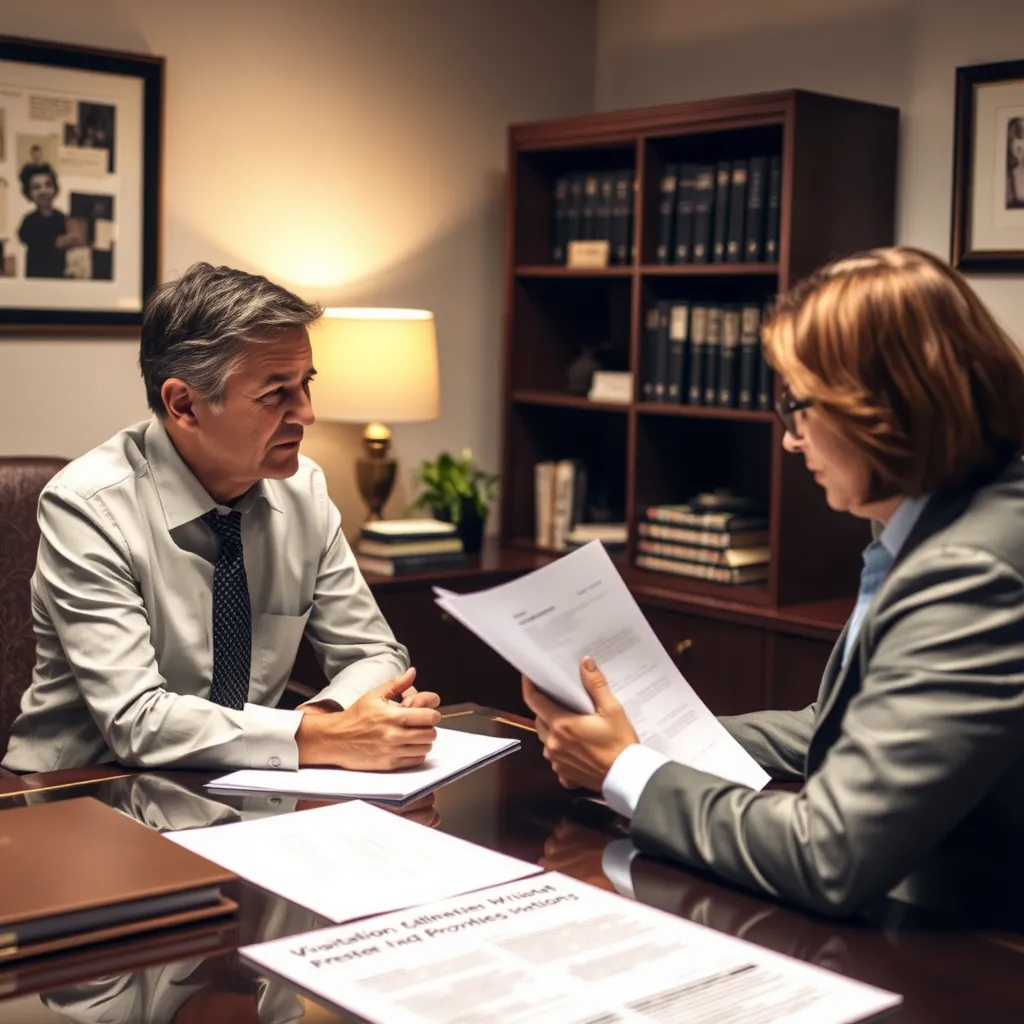
Visitation Modification Lawyer Falls Church, VA
Navigating changes in custody and visitation schedules is often one of the most emotionally taxing experiences a family can face. When circumstances change—whether due to a move, a change in parenting dynamics, or simply the passage of time—the existing visitation schedule may no longer serve the best interests of your child. This necessity for adjustment falls under the legal concept of visitation modification.
If you are seeking to modify a current visitation order in Falls Church, VA, understanding the legal standards and the process is critical. The law requires that any modification be based on a “material change in circumstances” and must always prioritize the “best interests of the child.” At Law Offices Of SRIS, P.C., we provide experienced counsel to guide you through the complexities of Virginia family law, helping you advocate effectively for the parenting plan that best supports your children’s emotional and physical well-being.
What is Visitation Modification in Virginia?
Visitation modification refers to the legal process of changing the terms of a court-ordered visitation schedule or parenting plan. It is not simply about wanting more time with your children; it requires demonstrating to the court that a significant, material change has occurred since the last order was put in place. Virginia courts are highly focused on the child’s best interests, meaning any proposed change must be proven to benefit the child above all other considerations.
The factors considered by a judge are extensive and can include, but are not limited to: the current living arrangements of the children, changes in the emotional needs of the child, shifts in the custodial parent’s employment or stability, and any documented evidence showing that the existing schedule is no longer functional or appropriate. Because these cases are fact-intensive and highly dependent on local judicial interpretation, retaining counsel familiar with Virginia family law is essential. Our firm’s dedicated family law practice has extensive experience arguing these complex matters before Virginia’s Circuit Courts.
Material Change in Circumstances: The Key to Modification
The concept of “material change in circumstances” is the legal gateway to modification. A judge will not entertain a request for change simply because one parent desires it or because the relationship dynamics have become inconvenient. You must prove that something substantial has changed since the last court order was issued, and that this change warrants a judicial review of the current plan.
Examples of material changes can be varied. They might include a significant change in your employment status, a documented move to a different area within the jurisdiction, or evidence of a new school environment impacting the child’s routine. Conversely, minor disagreements about scheduling or preference for one day over another are generally insufficient grounds. We guide our clients in meticulously documenting these changes, building a factual record that meets the high evidentiary standard required by Virginia law.
How Mr. Sris and the Firm’s Of Counsel Attorneys Handle Visitation Modification Cases in Falls Church
Modifying a visitation schedule requires more than just presenting evidence; it demands strategic legal advocacy that anticipates judicial scrutiny. Our approach begins with an exhaustive intake process where we analyze every detail of your current parenting plan, the history of the relationship, and the specific changes you wish to introduce. We work closely with you to build a comprehensive narrative that frames the modification request not as a dispute between parents, but as a necessary adjustment to best serve the child’s evolving needs.
Our team understands that these cases are emotionally charged. Therefore, our process is built on discretion, empathy, and rigorous legal strategy. We utilize detailed documentation—including school records, therapist reports, and financial disclosures—to build an undeniable case for why the current schedule is detrimental or inadequate. Whether the modification involves adjusting holiday schedules, altering primary physical custody time, or establishing new routines following a relocation within the Falls Church area, our counsel ensures that every filing, every deposition, and every negotiation is executed with precision, maximizing your chances of achieving a favorable outcome under Virginia law.
Steps to Successfully Modify Visitation in Falls Church
The path to modification generally follows several key stages. First, consultation with experienced counsel is vital to determine if you have grounds for a material change. Second, gathering and organizing all supporting documentation is paramount. Third, we will draft the necessary motions and filings according to the specific rules of the Virginia Circuit Court. Fourth, depending on the complexity, this may involve mediation or a full hearing before a judge. We manage these steps from start to finish, ensuring you are informed at every turn while allowing us to focus on the legal strategy.
What Are the Key Factors Judges Consider?
Virginia judges look at a constellation of factors when determining the best interests of the child. These are not limited to any single factor, but rather viewed holistically. Key areas include:
- The Child’s Best Interests: This is the overriding standard. All proposed changes must demonstrably benefit the child’s physical and emotional welfare.
- Stability and Routine: Courts favor predictability. Any requested change must be shown to create a more stable and beneficial routine for the child.
- Parental Capacity: The court assesses both parents’ ability to co-parent effectively, maintain stability, and meet the child’s needs.
- Geographical Considerations: If relocation is involved, the impact on the child’s school life and community ties in Falls Church is heavily scrutinized.
About Mr. Sris and the Firm’s Of Counsel Attorneys
Law Offices Of SRIS, P.C. is built upon a foundation of deep commitment to family law advocacy. Mr. Sris, Owner and Founder, brings decades of experience advocating for families across multiple jurisdictions. As a former prosecutor, he possesses a unique understanding of legal procedure and courtroom dynamics, which provides our clients with an invaluable advantage in complex disputes like visitation modification. His practice is rooted in achieving outcomes that are not only legally sound but also compassionate to the family unit.
Mr. Sris is admitted to practice law in Virginia, Maryland, the District of Columbia, New Jersey, and New York. Our commitment extends beyond individual representation; we build a robust support system through our network of Of Counsel attorneys. These experienced legal professionals allow the firm to provide specialized experience across various facets of family law without compromising the continuity of care or the depth of our institutional knowledge. We coordinate these diverse talents to provides clients with comprehensive, experienced representation.
Local experience in Falls Church, VA
Practicing law in Falls Church means understanding the unique judicial temperament and community dynamics of Northern Virginia. We are intimately familiar with the specific court procedures and local legal nuances that govern family matters in this region. This local knowledge allows us to file motions and present arguments that resonate directly with the judges and attorneys who practice here, giving our clients a valuable perspective when they need it most.
Need Guidance on Visitation Modification in Falls Church?
The law surrounding custody and visitation is complex, and every case is unique. Do not navigate this process alone. Contact Law Offices Of SRIS, P.C. Today to schedule a confidential consultation. We are ready to discuss your specific situation and outline a clear path forward.
Call (888) 437-7747
By appointment only. Serving Falls Church, VA, and surrounding areas.
Frequently Asked Questions About Visitation Modification in Falls Church
What is the typical timeline for a visitation modification hearing?
The timeline varies significantly based on the court’s docket, the complexity of the evidence, and whether mediation is required. Generally, after initial filings, you should expect several months to reach a hearing date. We manage the scheduling process to keep your case moving efficiently.
Do I need to prove that my ex-partner has changed?
While proving a change in circumstances is necessary, it does not always have to be about the other parent. The focus must remain on what is best for the child. You may present evidence regarding changes in schooling, emotional needs, or even your own living situation that impacts the child.
Can a simple disagreement over scheduling lead to modification?
Generally, no. A minor disagreement or a temporary scheduling conflict is not considered a “material change in circumstances.” The court requires evidence of a substantial, long-term shift in the child’s needs or living situation to warrant modifying an existing order.
What if we move out of Falls Church, VA?
Relocation is one of the most significant material changes. If you plan to move, the court will scrutinize this heavily to ensure the move genuinely benefits the child and does not simply create distance from the other parent or the established community.
Is mediation always required before I can file for modification?
Virginia courts often encourage or mandate mediation as a prerequisite to filing. However, whether it is mandatory depends on the specific judge and the nature of the dispute. We advise you on the trusted strategy to navigate any potential mediation requirements.
Does having a therapist’s recommendation help my case?
Yes, expert testimony and documentation from mental health professionals are extremely valuable. A therapist can provide objective evidence regarding the child’s emotional needs or the impact of the current schedule, lending significant weight to your argument.
Can I modify visitation if the other parent refuses to cooperate?
Yes. The court can rule on modification even if one parent is uncooperative. However, you must be prepared to present evidence of that non-cooperation and demonstrate how it negatively impacts the child.
What is the difference between custody and visitation?
Custody refers to legal rights and physical care, while visitation refers to the schedule of time spent with the child. Often, these terms are intertwined in a parenting plan, but they address different aspects of parental responsibility.
If I win the modification, how long does the new order last?
The new order will establish a clear schedule and set forth guidelines. However, it is always subject to future review if another material change in circumstances occurs, meaning the process can be ongoing.
How does my employment status affect modification?
A significant change in employment—such as moving from full-time to part-time, or vice versa—can impact the stability and routine available for the child. This is a factor we analyze carefully when building your case.
The process of modifying visitation requires meticulous attention to detail, thorough knowledge of Virginia family law, and unwavering advocacy. Law Offices Of SRIS, P.C. provides that combination of experience. We are dedicated to helping you achieve the most stable and beneficial parenting plan for your children in Falls Church, VA.
Ready to Discuss Your Parenting Plan?
If you believe a material change warrants a modification of your current visitation schedule, do not delay. Call Law Offices Of SRIS, P.C. Today for a confidential consultation. We are here to guide you through every step.
Call (888) 437-7747
By appointment only. Serving Falls Church, VA.
Case results depend on a variety of factors unique to each case.
Attorney advertising. Prior results do not guarantee a similar outcome.