
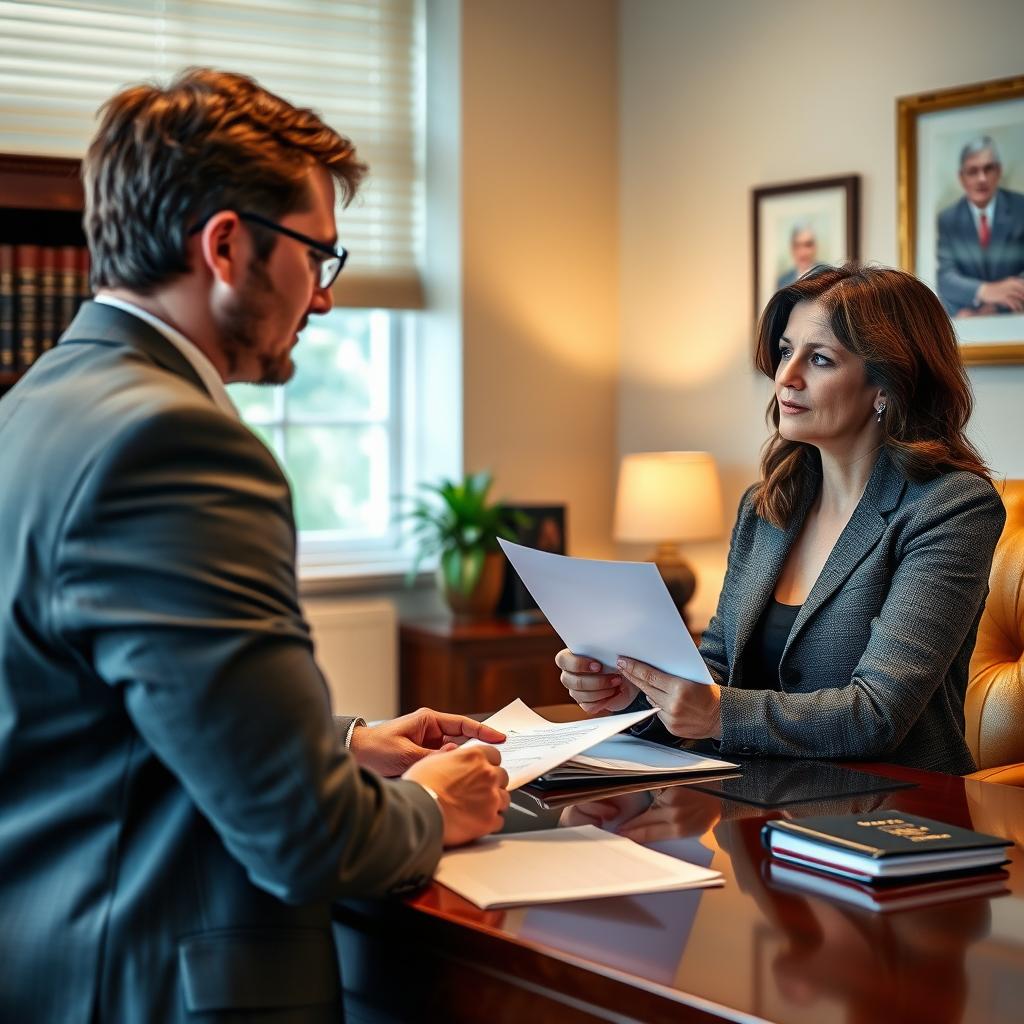
Visitation Lawyer Fluvanna County, VA
Your child’s birthday is next week and you have not seen her in three months. You live in Palmyra, but your former spouse moved to Fork Union with her after the separation and has not answered your calls. The last court order said you would have parenting time every other weekend, but the other parent simply stopped following it. You feel helpless, worried that you are losing your connection to your child, and unsure whether the law can actually help. In Fluvanna County, many parents face similar situations, and there is a path forward. Mr. Sris and his Of Counsel team at Law Offices Of SRIS, P.C. Concentrate on family law matters, including visitation, helping parents work toward a resolution that protects their relationship with their children. Reach our firm at (888) 437-7747. Law Offices Of SRIS, P.C. – Advocacy Without Borders.
Finding a Way Forward in Your Visitation Case
Visitation disputes often arise after a separation or divorce, but they can also surface between unmarried parents, grandparents, or other family members. Whatever the origin, the central question is the same: how can you secure meaningful time with a child you love? The answer typically depends on the circumstances and the court’s assessment of the child’s best interests under Virginia law. Mr. Sris and his Of Counsel approach each case by first understanding the family’s unique dynamic—where the parents live, the child’s schedule, any concerns about safety, and what the child actually needs. From there, we evaluate strategies that range from negotiating a voluntary parenting plan to seeking a court‑ordered visitation schedule at the Fluvanna County Juvenile and Domestic Relations District Court. When a divorce is pending, visitation may also be addressed within the Circuit Court alongside equitable distribution and support. Regardless of the forum, the goal is to establish a clear, enforceable order that reflects the child’s well‑being while preserving your parental role. We regularly represent clients from Lake Monticello, Fork Union, and surrounding communities who are determined to stay present in their children’s lives.
What to Expect at Fluvanna County Court
Understanding the local court landscape can reduce anxiety. In Fluvanna County, standalone visitation cases—those not part of a divorce—are heard at the Fluvanna County Juvenile and Domestic Relations District Court, located at 72 Main Street, Suite B, Palmyra, VA 22963. If visitation is being determined within a divorce, the matter proceeds in the Fluvanna County Circuit Court, which sits at the same address. Both courts apply the trusted‑interests factors set out in Va. Code § 20‑124.3 and consider each parent’s willingness to support the child’s relationship with the other parent. The court may also order supervised visitation if concerns about safety or stability arise. A typical first step is a preliminary hearing where the judge can issue temporary orders while the case moves forward. The process may involve mediation, a custody evaluation, or, if an agreement is reached, a consent order signed by both parties. Mr. Sris and his Of Counsel appear regularly at these Fluvanna County courts and work to guide families through each stage so they know what to expect and can focus on preparing for the hearing rather than worrying about procedure.
When Visitation Orders Are Not Followed
Even after a judge signs a visitation order, conflict does not always end. A parent may refuse to make the child available, fail to bring the child to the designated exchange point, or consistently cancel visits at the last minute. In Virginia, a parent who willfully violates a court order can face enforcement proceedings in the Juvenile and Domestic Relations District Court. The court has broad authority to address non‑compliance, including ordering make‑up visitation, imposing fines, or, in serious cases, holding the offending parent in contempt. On the other side, a parent accused of violating an order may need to show that they were unable to comply or that the child’s safety justified the action. Whether you are seeking to enforce an existing order or defending against an enforcement motion, the guidance of an experienced attorney is critical. Mr. Sris and his Of Counsel have handled numerous enforcement matters in Fluvanna County and work to present a clear, evidence‑based account of what happened so the court can make an informed decision that prioritizes the child’s welfare.
Experienced Attorneys Serving Families in Fluvanna County
Mr. Sris, Owner and Founder of Law Offices Of SRIS, P.C., has practiced family law since 1997. A former prosecutor, he brings a disciplined, fact‑centered approach to every visitation dispute—whether the issue is establishing a schedule for the first time, modifying one that no longer works, or taking action when the other parent will not comply. He is admitted to practice in Virginia, Maryland, the District of Columbia, New Jersey, and New York, and maintains a personal caseload limited enough to stay involved in each matter. Working alongside Mr. Sris is a team of Of Counsel attorneys who together bring over 120 years of combined legal experience—and 4,739+ documented firm-wide results—to family law cases. Results may vary. For a consultation about your visitation situation, reach Law Offices Of SRIS, P.C. at (888) 437-7747.
Frequently Asked Questions About Visitation in Fluvanna County
What are visitation rights in Virginia?
Visitation rights are court‑ordered parenting time that allows a non‑custodial parent or other relative to spend time with a child. Under Va. Code § 20‑124.2, the court determines what arrangement serves the child’s best interests, considering the relationship between the child and each parent, the child’s needs, and each parent’s willingness to support the other parent’s role. Visitation is separate from legal custody; a parent can have visitation even if the other parent has sole legal custody. The court may set a detailed schedule, including holidays and summer breaks, and can require supervision if safety concerns exist.
How is visitation determined in Fluvanna County?
Visitation in Fluvanna County is decided by a judge at the Juvenile and Domestic Relations District Court—or, when part of a divorce, at the Circuit Court—based on what arrangement promotes the child’s best interests. Parents can propose their own schedule; if they cannot agree, the court holds a hearing and weighs testimony, evidence, and the factors in Va. Code § 20‑124.3. The court may also consider input from a guardian ad litem or a mental‑health professional. Many parents in Palmyra, Fork Union, and Lake Monticello resolve visitation through mediation or a consent order before a contested hearing is necessary.
Can grandparents get visitation in Virginia?
Grandparents can seek visitation under limited circumstances, but the law presumes that a fit parent’s decision about grandparent contact is in the child’s best interests. Virginia Code § 20‑124.2(B) permits a grandparent to petition for visitation if the child’s parents are separated, divorced, or one parent is deceased or missing. The grandparent must prove by clear and convincing evidence that visitation is in the child’s best interest, which is a demanding standard. Grandparent visitation cases often require careful preparation of evidence showing an established, beneficial relationship.
How do I modify a visitation order in Fluvanna County?
A parent seeking to change a visitation order must file a motion with the court that issued the original order and show a material change in circumstances since the last order. Common reasons include a parent relocating, a change in the child’s school or medical needs, a shift in work schedules, or concerns about the child’s safety. The court revisits the trusted‑interests factors and may hold a hearing. Until the court enters a new order, the existing schedule remains in force. Mr. Sris and his Of Counsel assist parents in preparing and presenting modification requests in Fluvanna County.
What can I do if the other parent refuses to follow the visitation order?
You can initiate an enforcement action in the Fluvanna County Juvenile and Domestic Relations District Court by filing a motion to show cause, asking the judge to find the other parent in contempt. The court may order make‑up visits, impose fines, require the non‑complying parent to pay attorney fees, or, in persistent cases, consider jail time. The key is documenting every missed visit, communication, and offer to reschedule. An attorney can help present that evidence effectively and argue for remedies that reinforce compliance.
Is supervised visitation available if I have safety concerns?
Yes, Virginia courts may order supervised visitation when there is evidence that a parent poses a risk to the child’s physical or emotional well‑being. Grounds for supervision can include substance abuse, domestic violence, neglect, or mental‑health issues. Supervision may occur through a professional agency, a trusted family member, or a court‑approved program. The goal is to protect the child while allowing the parent‑child relationship to continue under safe conditions. At a hearing, the parent requesting supervision must present specific, credible evidence supporting the need for restrictions.
Do I need a lawyer for a visitation case in Fluvanna County?
You are not required to have a lawyer, but having experienced legal representation can make a meaningful difference in presenting your case and protecting your rights. Family court procedures can be complex, and judges expect parties to follow rules of evidence and procedure. An attorney can help gather the right documents, prepare witnesses, and cross‑examine the other side effectively. Mr. Sris and his Of Counsel appear routinely in Fluvanna County and can explain the process, set realistic expectations, and advocate for a schedule that works for you and your child.
How long does it take to get a visitation order?
The timeline depends on whether the parties agree, the court’s calendar, and the complexity of the issues. If both parents sign a consent order, the court can approve it relatively quickly—often within weeks. Contested cases take longer and may proceed through multiple hearings, mediation, or home studies. A temporary order can sometimes be obtained at an initial hearing if urgent circumstances exist. Beyond the scheduling, the preparation of your case influences how smoothly it moves forward; being organized helps avoid unnecessary delays.
What should I bring to a consultation about a visitation matter?
Bring any existing court orders, your proposed parenting plan, a list of important dates, and documentation of communication with the other parent. Also helpful are school calendars, medical records if the child has special needs, and any evidence of a parent’s concerning behavior such as text messages, emails, or police reports. The more complete the picture we can form in the initial conversation, the better we can advise you about likely outcomes and next steps. Rest assured, the consultation is confidential, and you can ask questions freely.
How do I start a visitation case if I was never married to the other parent?
An unmarried parent can file a petition for custody and visitation in the Juvenile and Domestic Relations District Court, even if paternity has not yet been legally established. Virginia law provides a pathway for fathers to assert parental rights and obtain a visitation schedule. The first step is often establishing legal paternity through an affidavit, DNA testing, or court order. Once paternity is confirmed, the court can address custody and visitation using the same best‑interests analysis applied in divorce cases. Mr. Sris and his Of Counsel regularly handle paternity and visitation matters for unmarried parents throughout Fluvanna County.
Can visitation be ordered through a separation agreement instead of court?
Yes, parents can agree on a visitation schedule in a written separation agreement, and if the agreement is later incorporated into a court order, it becomes enforceable. Negotiating an agreement rather than litigating often saves time, money, and stress. The agreement should be detailed, covering regular weekly parenting time, holidays, school breaks, transportation, and communication. Once both parties sign, it can be filed with the court when a divorce or custody action is pending. An attorney can help ensure the document is clear and complete, reducing the risk of future conflict.
For guidance on your specific situation, reach Law Offices Of SRIS, P.C. at (888) 437-7747.
Explore our other family law resources: Fairfax County Family Law · Fairfax City Family Law · Falls Church Family Law · Prince William County Family Law
Official Virginia resources: Virginia Code Title 20 (Domestic Relations) · Virginia Juvenile and Domestic Relations Courts · Virginia Circuit Courts
Speak with a Visitation Lawyer in Fluvanna County
Nothing in this page should be taken as legal advice for a specific situation. Each family’s circumstances are different, and the trusted path forward depends on the facts of your case. If you need assistance with a visitation matter in Palmyra, Fork Union, Lake Monticello, or elsewhere in Fluvanna County, call (888) 437-7747 or use our contact page to schedule a consultation. Mr. Sris and his Of Counsel are available to discuss your concerns and help you understand your options.
Law Offices Of SRIS, P.C.
Shenandoah Location
505 N Main St, Suite 103
Woodstock, VA 22664
(888) 437-7747
By appointment only. Please call to schedule.
Attorney advertising. Prior results do not guarantee a similar outcome. Results may vary. Case results depend on a variety of factors unique to each case.