
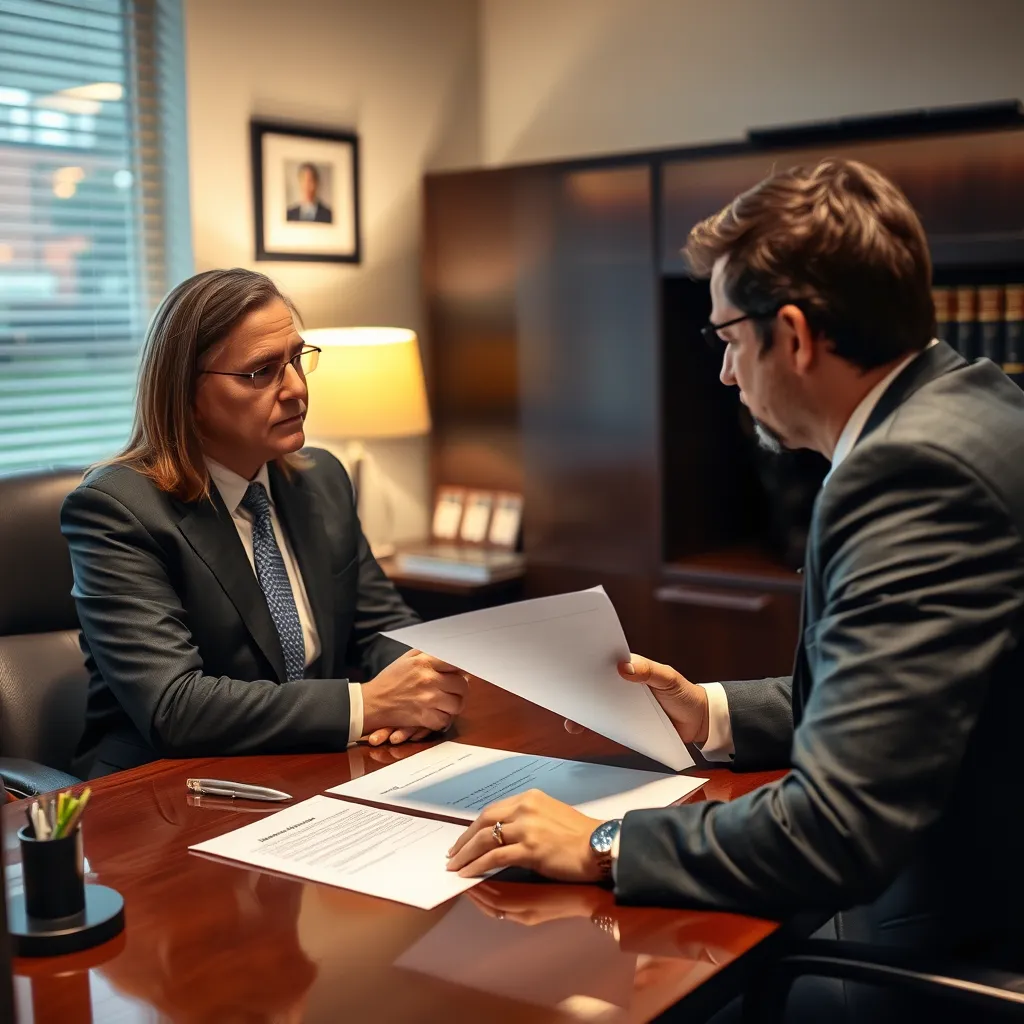
Visitation Lawyer in Falls Church, VA
Navigating the legal complexities surrounding parental visitation rights can be one of the most emotionally challenging and legally intricate processes a family must face. When parents disagree on the schedule, scope, or logistics of time spent with children, the resulting conflict often requires experienced attorney legal intervention. If you are seeking a Visitation Lawyer in Falls Church, VA, understanding your rights and the local court guidelines is the critical first step toward securing stability for your family.
At Law Offices Of SRIS, P.C., we understand that visitation disputes are not merely about scheduling; they are about maintaining healthy parent-child bonds and ensuring the best interests of the child remain paramount. Our team has extensive experience handling custody modifications, visitation enforcement, and establishing comprehensive parenting plans across Northern Virginia, including Falls Church. We provide a strategic, fact-based approach to help parents reach resolutions that are both legally sound and emotionally sustainable.
What is a Visitation Lawyer in Falls Church, VA?
A Visitation Lawyer in Falls Church, VA is an attorney practicing in family law matters who focuses specifically on the legal rights and responsibilities regarding parental time with children. These lawyers help clients navigate the complex interplay between state custody laws, local court customs, and the emotional needs of the children involved.
The role of this specialized counsel extends far beyond simply filing motions. We assist in developing detailed parenting plans that address everything from holiday schedules and school pickups to medical decision-making authority. Whether you are seeking to establish a visitation schedule for the first time, modify an existing agreement due to changes in circumstances, or enforce a visitation order that is being violated, our goal is always to achieve a legally enforceable outcome that prioritizes the child’s well-being.
Custody vs. Visitation: Understanding the Key Difference
Many people confuse custody and visitation rights, but they represent distinct legal concepts. Generally speaking, legal custody refers to the right to make major decisions regarding the child’s upbringing—such as education, healthcare, and religious affiliation. Physical custody refers to where the child primarily resides. Visitation rights, on the other hand, define the schedule and manner in which a parent has time with the child. In many cases, the court will issue a comprehensive parenting plan that addresses all three elements simultaneously. Our practice involves analyzing which aspect requires immediate legal attention based on your specific situation.
The Best Interests of the Child Standard
Under Virginia law, and indeed across the jurisdictions we serve, all custody and visitation determinations are governed by the “best interests of the child” standard. This is a broad, flexible standard that requires the court to consider numerous factors—including the emotional bond between the child and both parents, the stability of the current routine, the financial capability of the parents, and the physical safety of the child. It is not simply about who the judge thinks is “better,” but rather who can provide the most stable, nurturing, and consistent environment for the child to thrive. Our legal strategy is built around presenting evidence that strongly supports this standard.
How Mr. Sris and the Firm’s Of Counsel Attorneys Handle Visitation Cases in Falls Church
Handling visitation disputes requires a delicate balance of legal rigor, strategic negotiation, and deep empathy. When clients approach Law Offices Of SRIS, P.C., we immediately begin by gathering a comprehensive picture of the family dynamic, the existing court orders, and the specific points of conflict. Our process is highly structured: first, we analyze the current legal standing to determine if a modification or enforcement action is necessary. Second, we engage in strategic mediation or direct negotiation with opposing counsel, aiming to resolve the matter outside of costly litigation whenever possible. This initial phase allows us to propose solutions that are tailored to the unique needs of your family, rather than relying on generic templates.
If resolution through negotiation is not feasible, our firm is prepared to represent you vigorously in court. We are adept at presenting evidence regarding the stability and continuity of care provided by each parent. Our approach emphasizes documentation—from school records to daily routines—to build a compelling narrative for the judge that demonstrates which parenting plan truly serves the child’s best interests. Furthermore, our network includes trusted Of Counsel attorneys who practices in various facets of family law, allowing us to provide comprehensive support whether the matter involves interstate travel, complex financial disclosures, or specialized therapeutic evaluations. We manage every detail so you can focus on your family.
About Mr. Sris and the Firm’s Of Counsel Attorneys
Mr. Sris, Owner and Founder of Law Offices Of SRIS, P.C., brings decades of dedicated experience to family law practice. As a former prosecutor, he possesses an intimate understanding of courtroom procedure and the adversarial nature of legal disputes. His commitment to justice is matched by his dedication to helping families navigate the difficult waters of custody and visitation. Mr. Sris is admitted in Virginia, Maryland, the District of Columbia, New Jersey, and New York, providing a multi-jurisdictional perspective that is invaluable when dealing with out-of-state agreements or disputes.
The firm’s Of Counsel attorneys are a collective of experienced legal professionals who augment our core experience. They represent an expansive network of specialized knowledge, ensuring that no matter the complexity of your case—whether it involves international parenting agreements or unique jurisdictional challenges—you receive counsel from attorneys across the field. We operate as a unified resource, providing clients with access to extensive depth of legal knowledge while maintaining the individual case review and commitment to ethical practice that defines Law Offices Of SRIS, P.C.
Navigating Visitation Disputes in Falls Church
The laws governing visitation are highly dependent on the specific county and court jurisdiction within Northern Virginia. What is acceptable in one part of Fairfax County may differ slightly from another. Our local knowledge of the Falls Church judicial system allows us to anticipate procedural hurdles and tailor our filings accordingly. We understand the rhythm of the courts, the judges’ preferences, and the local community standards that influence outcomes.
Modifying an Existing Order
If your current visitation schedule no longer reflects your family’s reality—perhaps due to a change in school district, a change in employment, or a significant shift in the child’s emotional needs—you may need to modify the existing order. Virginia law requires demonstrating a “material and substantial change in circumstances” to petition for a modification. This is not a simple request; it requires robust evidence and careful legal framing. We help clients build a case that proves why the current arrangement is no longer serving the child’s best interests, advocating for a revised plan that supports stability.
Enforcing Visitation Rights
Sometimes, the most difficult legal battle is simply getting what was already agreed upon. If a parent is consistently violating the terms of a court-ordered visitation schedule, you have the right to seek enforcement. This process can involve filing motions for contempt or other remedies with the court. Our team manages the necessary documentation and court appearances to ensure that the existing order is respected by all parties. We treat enforcement not as an adversarial fight, but as a necessary step to restore the predictable routine the child deserves.
Frequently Asked Questions About Visitation Law in Falls Church
What happens if I cannot agree with my co-parent on visitation?
A: If direct communication breaks down, the next step is usually mediation. A neutral third party helps facilitate discussion. If mediation fails, a lawyer can file motions with the court to establish a binding order based on the best interests of the child.
Does having a parenting plan written down make it legally binding?
A: A private agreement is helpful, but for it to be fully enforceable in court, it must be formalized through a judge’s signed order. This ensures that all parties are bound by the terms and that there is a clear legal mechanism for enforcement if violations occur.
Can visitation rights change when the child enters high school?
A: Yes, they can. As children mature and their needs change—such as moving to a different school district or needing more independence—the parenting plan should be reviewed. A lawyer can help argue for adjustments that promote the child’s increasing autonomy while maintaining necessary parental involvement.
What is the difference between visitation and custody?
A: Custody refers to legal decision-making authority (who decides on medicine or school), while visitation defines the physical time schedule. A comprehensive plan addresses both, ensuring all aspects of care are covered.
Do I need a lawyer if we can agree on everything?
A: While not always necessary, having an attorney review the agreement is frequently consulted. A lawyer ensures that the document is legally sound, covers all potential future conflicts (like holidays or illness), and is structured in a way that the court will accept as comprehensive.
How long does it take to get a visitation order established?
A: The timeline varies significantly based on the court’s docket, the complexity of the dispute, and whether mediation is required. Simple enforcement motions can sometimes be resolved quickly, but establishing a brand-new, comprehensive plan often takes several months.
Can I ask for supervised visitation?
A: Yes, supervised visitation is a remedy that can be ordered by the court when there are concerns about safety or conflict. A lawyer can help argue for this arrangement while simultaneously working toward a less restrictive, more natural schedule.
Ready to Discuss Your Visitation Rights in Falls Church?
The law surrounding visitation is highly specific to your family’s unique circumstances and the jurisdiction of the court. Do not attempt to navigate these complex issues alone. Law Offices Of SRIS, P.C. provides compassionate, active, and strategic representation designed to protect your rights while prioritizing the emotional well-being of your children.
We urge you to reach out to our Falls Church location today. By speaking with an attorney who understands the local nuances of family law, you can gain clarity on your options and take the first confident step toward a stable and predictable co-parenting relationship. Call us at (888) 437-7747 to schedule a confidential consultation.
*Disclaimer: The information provided on this website is for informational purposes only and does not constitute legal advice. Every case is unique, and the laws governing parental visitation are complex and constantly evolving. You should consult with a qualified attorney licensed in your jurisdiction to discuss the specifics of your situation. Law Offices Of SRIS, P.C. Reserves the right to modify content without notice.*
Case results depend on a variety of factors unique to each case.
Attorney advertising. Prior results do not guarantee a similar outcome.