
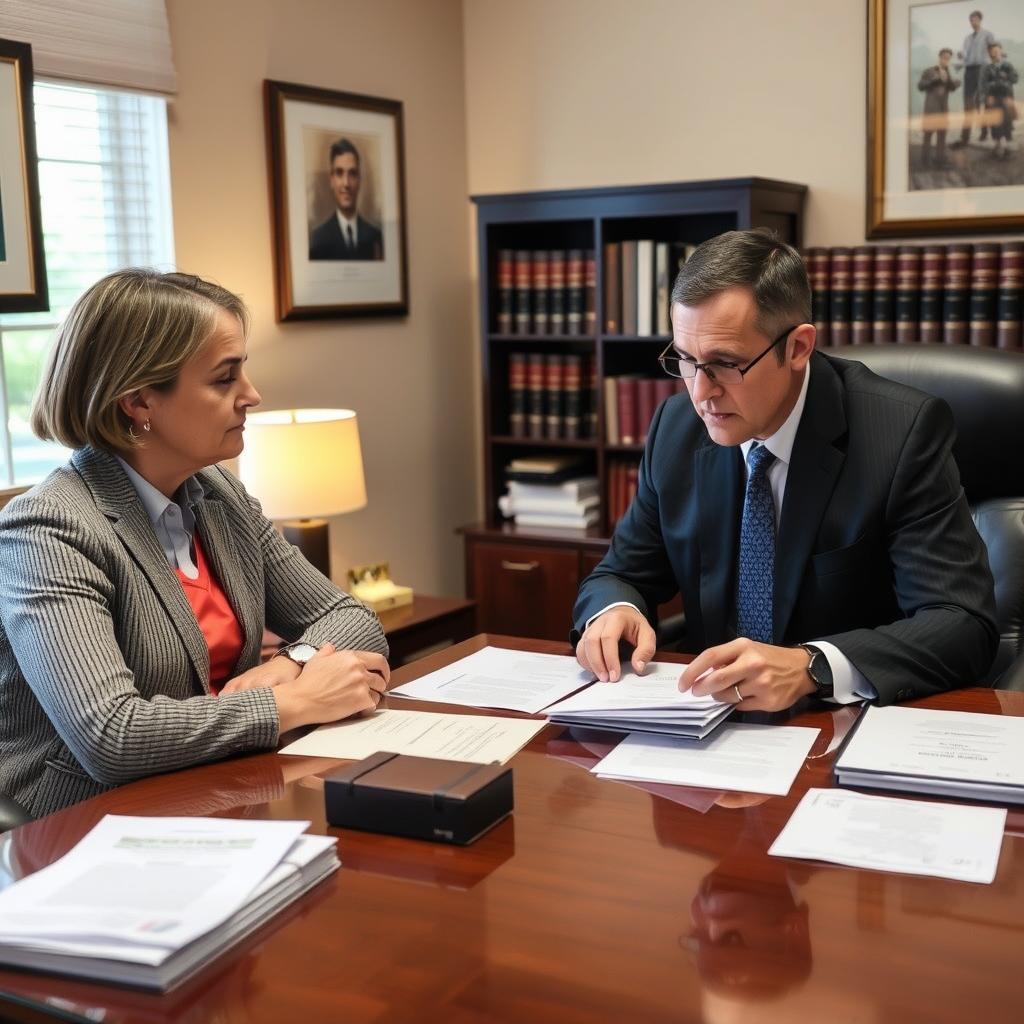
Visitation Enforcement Lawyer Fluvanna County, VA
You have a signed custody order granting you regular visitation with your child, but the other parent refuses to follow it. Weekends pass without contact. Phone calls go unanswered. You have watched your parental bond fray while the court’s order sits on paper, ignored. The frustration is overwhelming, and you are not sure what steps you can take without making things worse. You simply want the court order enforced so you can be the parent your child needs. Law Offices Of SRIS, P.C. represents parents in Fluvanna County who are seeking to enforce visitation rights, and our team is available to discuss your situation. Law Offices Of SRIS, P.C. – Advocacy Without Borders.
Strategy Options for Visitation Enforcement in Fluvanna County
When a parent withholds court-ordered visitation, Virginia law gives the aggrieved parent several paths to obtain relief. The most direct approach is to file a motion for enforcement or a petition for a rule to show cause with the Fluvanna County Juvenile and Domestic Relations District Court, which has jurisdiction over custody and visitation matters. The motion asks the court to direct the non-compliant parent to appear and explain why the order was not followed. A lawyer can help you draft the motion, gather supporting documentation, and present a persuasive argument at the hearing. In many situations, the other parent will comply once a formal motion has been filed, as the prospect of a court hearing often prompts cooperation. If compliance does not occur voluntarily, the court has a range of tools to secure compliance, including ordering makeup visitation time, modifying the existing schedule, requiring the non-compliant parent to pay attorney fees, and in more serious instances, finding the parent in contempt.
Before heading to court, some families benefit from mediation. Mediation is not mandatory for visitation enforcement proceedings in Virginia, but the court may encourage parties to try it. A neutral mediator helps you and the other parent reach an agreement about future compliance and a plan to compensate for missed visits. Mediation can be faster and less expensive than litigation, and it often reduces conflict, which benefits the child. However, if mediation does not produce a workable agreement, or if you believe the other parent will not follow through, the court remains available as the ultimate enforcement mechanism. Mr. Sris and his Of Counsel team can explain how each option applies to your circumstances and help you choose the most appropriate course of action.
What to Expect When Enforcing Visitation in Fluvanna County Courts
A visitation enforcement case generally begins with the preparation and filing of a motion with the Fluvanna County Juvenile and Domestic Relations District Court, located at 72 Main Street, Suite B, in Palmyra. The motion must identify the existing custody order, describe the specific violations, and request the relief you seek. Once the motion is filed, the court will schedule a hearing. The timeline for the hearing depends on the court’s calendar and the urgency of the situation. The other parent will be served with a copy of the motion and a notice of the hearing date. At the hearing, both sides have the opportunity to present testimony, documents, and any other relevant evidence. The judge will determine whether a violation occurred and, if so, what remedy is appropriate.
At the hearing, you should be prepared to explain clearly what the order requires, how and when the other parent failed to comply, and the impact the missed visitation has had on your child. Emails, text messages, call logs, and a visitation journal can be helpful pieces of evidence. Witnesses, such as family members or neighbors who observed denied exchanges, may also testify. The judge will evaluate the evidence and issue a ruling. If the court finds that the other parent willfully violated the order, it may order makeup visitation time, impose a schedule for future compliance, award your attorney fees, or, in cases of continued willful disobedience, hold the other parent in contempt. Being represented by an experienced attorney at this hearing can help ensure your side is properly presented.
Penalty and Remedy Overview
Virginia courts have broad authority to remedy visitation order violations under Va. Code § 20-124.2 and related contempt provisions. The goal of the court is to protect the child’s relationship with both parents. When one parent denies the other parent’s court-ordered time, the court’s primary response is to compensate the aggrieved parent with additional visitation and to put safeguards in place to prevent further violations. Makeup visitation is the most common remedy; the court may order extra weekends, additional holiday time, or extended summer access to offset the missed periods. The judge may also modify the exchange location or transition logistics to reduce conflict. In more serious cases, the court may require the non-compliant parent to post a bond, undergo co-parenting counseling, or attend parenting classes.
If the violation is deliberate and persistent, the court can hold the parent in contempt. Contempt sanctions may include a fine or, in extreme situations, jail time, though incarceration is rare and typically reserved for repeated and flagrant violations. The court may also shift attorney fees and costs to the parent who caused the litigation. Importantly, if the pattern of interference is severe and demonstrates that the parenting arrangement is not working, the court may modify the underlying custody order. The judge may reduce the non-compliant parent’s visitation or, in extraordinary circumstances, change primary physical custody. Because the stakes can escalate quickly, it is wise to address violations early with the help of a family lawyer familiar with Fluvanna County courts.
About Mr. Sris and His Of Counsel Team
Mr. Sris, Owner and Founder of Law Offices Of SRIS, P.C., has practiced law since 1997 and concentrates a substantial part of his work on family law matters, including visitation and custody enforcement, divorce, and equitable distribution. He brings the perspective of a former prosecutor to every case, a background that informs his preparation for hearings and his understanding of courtroom dynamics. Mr. Sris is admitted to practice in Virginia, Maryland, the District of Columbia, New Jersey, and New York. He testified before the Virginia House Courts of Justice Committee in support of 2019 HB 635 (chief patron Del. David Bulova). Mr. Sris is supported by a dedicated Of Counsel team whose members have extensive experience in family law, civil litigation, and criminal defense.
Together, Mr. Sris and his Of Counsel bring over 120 years of combined legal experience. Results may vary. They have documented 4,739+ case results across the firm’s practice areas since 1997. The firm regularly appears in Fluvanna County Juvenile and Domestic Relations District Court and Fluvanna County Circuit Court, and the team understands the procedures, local forms, and expectations of the bench in this judicial district. The firm’s Shenandoah Location at 505 N Main Street, Suite 103, Woodstock, Virginia 22664, serves clients throughout Fluvanna County, including Palmyra, Fork Union, and Lake Monticello, by appointment.
Frequently Asked Questions
What is visitation enforcement?
Visitation enforcement is the legal process of compelling a parent to comply with a court-ordered visitation or parenting time schedule. When one parent prevents the other from spending time with the child as outlined in a custody order, the aggrieved parent can ask the Fluvanna County Juvenile and Domestic Relations District Court to enforce the order. The court may order makeup visitation, sanctions, or modify custody to ensure the child maintains a relationship with both parents. Enforcement proceedings focus on compliance with the existing order, not on reopening the original custody determination, unless the violations are severe enough to warrant a broader review.
Do I need a lawyer for visitation enforcement in Fluvanna County?
You are not legally required to have a lawyer, but enforcement motions involve procedural rules, evidentiary requirements, and contempt standards that are difficult to navigate alone. A family lawyer helps you file the correct motion, present evidence effectively, and articulate the relief you are seeking. The stakes can include makeup visitation, fee shifting, and potential custody modifications, so having experienced counsel to protect your interests is advisable. Mr. Sris and his Of Counsel team are familiar with the Fluvanna County courts and can guide you through each step.
How do I enforce a visitation order in Fluvanna County?
You file a motion for enforcement or a petition for a rule to show cause in the Fluvanna County Juvenile and Domestic Relations District Court. The motion must state the specific order being violated, describe the pattern of non-compliance, and request appropriate remedies. After filing, the court sets a hearing date, and the other parent is served with notice. At the hearing, both sides present evidence; the judge decides whether a violation occurred and orders relief. Having a lawyer prepare and argue the motion can increase the likelihood that the court takes meaningful action.
What happens if my ex refuses visitation ordered by the court?
When a parent willfully disobeys a visitation order, the court can find that parent in contempt and impose a range of remedies. The judge may order additional makeup time for you, require the other parent to pay your attorney fees, modify the exchange logistics, or, in serious cases, alter the custody arrangement. Willful, repeated violations can lead to fines or even jail time, though incarceration is a last resort. The court’s focus is on restoring the parent-child relationship and deterring future interference.
How long does a visitation enforcement case take in Fluvanna County?
The timeline varies depending on the court’s calendar, the complexity of the allegations, and whether the other parent contests the motion. A straightforward case may be resolved within a few months after filing, especially if the parties reach an agreement. Contested matters that require an evidentiary hearing, witness testimony, and possible subsequent review hearings can take longer. During a consultation, Mr. Sris and his Of Counsel can discuss the factors that may affect the timing of your particular case.
What evidence do I need for a visitation enforcement case?
Documentary evidence showing the other parent’s failure to comply with the order is critical. Records of denied exchanges — text messages, emails, call logs, and written communication — are often the most persuasive. A detailed journal noting each missed visit, along with the reason given (if any), provides a timeline of violations. Witness statements from individuals who observed the denials or heard the other parent’s admissions can also be valuable. Your lawyer will help you organize and present the evidence in a manner the court can readily evaluate.
Can the court order makeup visitation time?
Yes, ordering makeup visitation is the most common remedy in visitation enforcement proceedings. When the court finds that a parent wrongfully withheld the child, it can order additional time — extra weekends, extended summer access, or added holiday visits — to compensate for the lost parenting time. The court aims to preserve the child’s relationship with both parents, and makeup time is the primary tool to achieve that goal. The specific makeup schedule will depend on the child’s age, school calendar, and the nature of the missed visits.
Can the other parent be ordered to pay my attorney fees?
Virginia courts have the authority to shift fees to the parent whose non-compliance caused the litigation. If the judge determines that one parent willfully violated the visitation order, the court may order that parent to reimburse reasonable attorney fees and court costs. This serves both to compensate the complying parent and to deter future violations. Whether fees are awarded depends on the specific facts of the case and the judge’s discretion; there is no automatic entitlement.
What if I am falsely accused of violating visitation?
If you are served with a motion alleging you denied visitation, it is important to respond quickly through counsel. A defense may be based on showing that the alleged denials did not occur, that any missed visits were agreed upon by both parties, or that the other parent’s claims are exaggerated. The burden of proof rests on the party bringing the motion. Presenting correspondence, your own visitation journal, and witness testimony can help rebut false accusations. Your attorney will prepare you for the hearing and cross-examine the other parent’s evidence.
Can mediation help resolve a visitation enforcement dispute?
Mediation can be an effective way to resolve visitation conflicts without a contested hearing. Though not mandatory, mediation allows parents to work with a neutral third party to create a practical compliance plan, agree on makeup time, and address the underlying communication issues. An agreement reached through mediation can be entered as a consent order, giving it the force of law. Mediation often preserves a better co-parenting relationship, which benefits the child. If mediation fails, the court remains available to adjudicate the matter.
Does the court modify custody if visitation is repeatedly denied?
When a parent persistently interferes with court-ordered visitation, the judge may consider modifying the custody arrangement if such interference is extreme and harmful to the child. The court always applies the trusted-interests-of-the-child standard under Va. Code § 20-124.3. A pattern of willful denials can be evidence that the current arrangement is not serving the child’s welfare. Modification can take the form of increased custodial time for the aggrieved parent or, in the most serious cases, a change in primary physical custody. This is a fact-intensive inquiry that your attorney will argue on your behalf.
For a detailed statutory analysis of visitation rights and enforcement in Virginia, see our comprehensive overview.
Request a Consultation
If you are facing visitation interference in Fluvanna County, or you are the parent responding to an enforcement motion, Mr. Sris and his Of Counsel team are available to discuss your case. Our Shenandoah Location at 505 N Main Street, Suite 103, Woodstock, VA 22664 serves clients throughout Fluvanna County, including Palmyra, Fork Union, and Lake Monticello, by appointment. Call (888) 437-7747 to schedule a consultation. We are available to take your call 24 hours a day, 7 days a week.
Attorney advertising. Prior results do not guarantee a similar outcome. Results may vary.
Case results depend on a variety of factors unique to each case.