
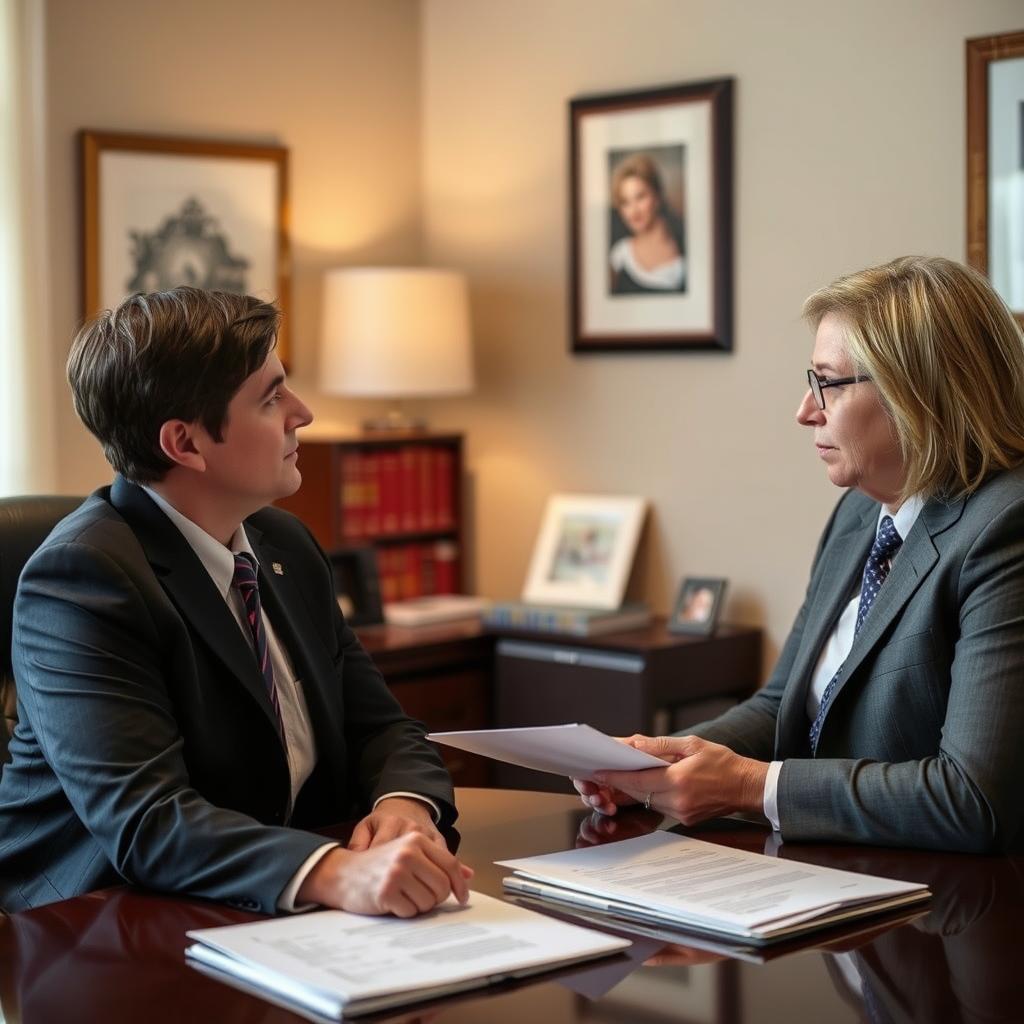
Supervised Visitation Lawyer Virginia Beach, VA
Your custody case is behind you, but a new challenge has surfaced: the judge has ordered that your time with your child be supervised. You may be asking yourself what that really means, how long it will last, and whether you can ever regain unsupervised parenting time. At Law Offices Of SRIS, P.C., Mr. Sris and his Of Counsel understand how unsettling supervised visitation can feel. They work with parents throughout Virginia Beach, Sandbridge, and Oceana to protect their relationship with their children while respecting the court’s concerns. If you need guidance on supervised visitation anywhere in Virginia Beach, reach our firm at (888) 437-7747 to request a consultation. Law Offices Of SRIS, P.C. – Advocacy Without Borders.
What Supervised Visitation Means for Parents in Virginia Beach
Supervised visitation is a court-ordered arrangement in which a parent spends time with their child only in the presence of a neutral third party. The supervisor might be a professional monitor, a relative approved by the court, or a designated visitation center. In Virginia, courts impose supervision when they find that unsupervised time could pose a risk to the child’s safety or emotional well-being. The decision is grounded in the trusted‑interests standard set out in Va. Code § 20‑124.3.
Virginia Beach matters involving supervised visitation are heard in the Virginia Beach Juvenile and Domestic Relations District Court when custody and visitation are at issue outside a divorce, or in the Virginia Beach Circuit Court when the matter is part of a broader divorce proceeding. Mr. Sris and his Of Counsel appear regularly in both courts and have experience presenting the facts a judge needs to see before modifying or lifting a supervision requirement. They know that a parent’s conduct, the child’s age, and any history of domestic issues are all considered carefully by the court, and they build a record that highlights stability and a commitment to the child’s welfare.
How Mr. Sris and His Of Counsel Handle Supervised Visitation Cases
Handling a supervised visitation case starts with a clear explanation of what the current order requires and what evidence the court will consider if you ask for a change. Mr. Sris and his Of Counsel review the custody history, any prior court findings, and the practical details of how supervision is being carried out. They help parents understand the legal standard for lifting supervision, which generally requires showing that the condition that led to the order no longer exists. That may mean completing parenting classes, substance‑abuse treatment, anger‑management counseling, or any other steps the court has identified.
From there, they prepare a strategy tailored to your situation. If you are seeking to modify an existing order, they gather documentation of your compliance and present it to the court at a hearing. If you are facing a request for supervised visitation for the first time, they work to present your side of the story through witness testimony, school and medical records, and other reliable evidence. In every case, the goal is to show the judge that the best interests of the child are served by a parenting plan that preserves a meaningful parent‑child relationship while addressing any legitimate safety concerns.
What to Expect When Supervised Visitation Is at Issue in Virginia Beach
Parents often learn about supervised visitation for the first time at a pendente lite hearing, where temporary orders are put in place while a case moves forward. The Virginia Beach Juvenile and Domestic Relations Court can enter protective orders, custody and visitation schedules, and support orders on an emergency or temporary basis. If the court has concerns about a parent’s conduct, it may order supervision at that stage. Once the order is in place, the parent must follow it exactly; any missed visits or violations can be raised later when permanent orders are decided.
Later, at a final hearing or a modification hearing, the court will revisit whether supervision is still necessary. The judge will consider testimony from the supervisor, any reports filed with the court, and evidence of how the parent and child have interacted during visits. The process can feel slow, but each step builds the record the judge will use to make a decision. Having an experienced attorney by your side can help you put forward the strong case while avoiding the procedural missteps that can delay a favorable outcome.
About Mr. Sris and His Of Counsel Team
Mr. Sris, Owner and Founder of Law Offices Of SRIS, P.C., has been practicing since 1997 and is admitted in Virginia, Maryland, the District of Columbia, New Jersey, and New York. He brings the perspective of a former prosecutor to every family law matter, which means he understands both how the other side thinks and what judges look for in a well‑presented case. His legislative involvement includes testimony before the Virginia House Courts of Justice Committee in support of 2019 HB 635 (chief patron Del. David Bulova).
Mr. Sris and his Of Counsel bring over 120 years of combined legal experience and have achieved 4,739+ documented firm-wide results across supervised visitation and other family law matters. Results may vary. Their team‑based approach lets them handle cases efficiently while still giving each client the individual case review a custody dispute demands. When you call (888) 437-7747, you are scheduling a consultation with a firm that has documented thousands of case results across multiple practice areas since its founding.
Frequently Asked Questions
What is supervised visitation in Virginia?
Supervised visitation is a court‑ordered arrangement that requires a parent to spend time with their child in the presence of a neutral third party. The supervisor can be a professional monitor, an agreed‑upon relative, or a visitation center. Courts impose supervision when they believe unsupervised time could endanger the child’s physical or emotional health. The order will specify when, where, and how the visits occur, and it remains in place until the court modifies or lifts it.
How does a judge decide to order supervised visitation?
A Virginia judge orders supervised visitation when the evidence shows unsupervised time would not be in the child’s best interests. The court considers the ten factors in Va. Code § 20‑124.3, including each parent’s health, the child’s relationship with each parent, any history of family abuse, and the parent’s ability to meet the child’s needs. If the judge finds a risk of neglect, abuse, or parental alienation, supervision can be imposed temporarily while the parent addresses the underlying concerns.
Where does supervised visitation take place in Virginia Beach?
Supervised visitation can occur at a court‑approved visitation center, a public place agreed upon by the parties, or a private location with a designated supervisor. Virginia Beach has facilities that offer monitored visitation services. The order will specify the location and the supervisor’s identity. If both parents agree on a family member to supervise, the court will review whether that person is suitable and can ensure the child’s safety.
Can a supervised visitation order be modified?
Yes, a parent can ask the court to modify or lift supervised visitation once the concerns that led to the order have been addressed. To succeed, the parent must show a material change in circumstances and that unsupervised visits now serve the child’s best interests. Evidence of completed classes, counseling, consistent attendance at visits, and positive supervisor reports can all support a request to change the order.
What happens if I violate a supervised visitation order?
Violating a supervised visitation order can lead to contempt of court and may hurt your custody case. The other parent can bring the violation to the judge’s attention, and the court may impose sanctions, modify custody, or order make‑up visits. Repeated violations can raise serious questions about a parent’s reliability and commitment, making it harder to regain unsupervised time later.
Do I need a lawyer for a supervised visitation hearing?
You are not required to have a lawyer, but representing yourself in a supervised visitation matter can be challenging. The legal standards and rules of evidence are complex, and the other side will likely have counsel. An experienced family law attorney can help you gather the right evidence, prepare witnesses, and present your case in a way that addresses the court’s concerns directly.
How can a lawyer help with supervised visitation?
A family law attorney can explain the law, build a factual record, and advocate for you at every hearing. The lawyer will review the current order, identify what the court needs to see before supervision can end, and help you take the steps that will move your case forward. If the other parent is making unfounded allegations, your attorney can challenge those claims with testimony and documentation.
How do I prepare for a supervised visitation hearing in Virginia Beach?
Start by gathering all records that show your compliance with the current order and any steps you have taken to address the court’s concerns. Bring copies of supervisor reports, certificates from completed programs, and any communication with the other parent about visitation. Arrive early, dress professionally, and be ready to answer the judge’s questions calmly and honestly. Your attorney will guide you through what to expect during the hearing.
What if the other parent is not following the visitation order?
If the other parent refuses to comply with a supervised visitation order, you can ask the court to enforce it. Document every missed visit or violation and share that information with your lawyer. The judge can issue a show‑cause order requiring the other parent to explain their non‑compliance. Continued violations may lead to sanctions, attorney’s fees, or a change in custody.
How do the courts in Virginia Beach handle custody modifications involving supervised visitation?
The Virginia Beach Juvenile and Domestic Relations Court or the Virginia Beach Circuit Court will schedule a hearing and review all evidence of changed circumstances. The judge will consider how the parent has responded to the supervision requirement, whether the child’s needs have changed, and any input from the guardian ad litem if one has been appointed. The process may take several months, but a well‑prepared case can move the matter toward resolution.
Is supervised visitation always tied to a divorce case?
No, supervised visitation can arise in any custody dispute, whether or not the parents are married or going through a divorce. Unmarried parents, grandparents seeking visitation, and even parents who already have a final custody order can face supervision if a court finds it necessary to protect the child. The same legal standards apply regardless of whether the case is in Juvenile and Domestic Relations Court or Circuit Court.
What should I bring to my first consultation about supervised visitation?
Bring a copy of any current custody or visitation order, any correspondence from the court or the other parent, and any records related to the supervision requirement. If you have completed classes, counseling, or treatment, bring proof of completion. Having this information ready will help the attorney evaluate your situation and give you a clearer picture of what to expect.
For more detailed information about how Virginia law governs custody and visitation, you can also visit our main site for a full statutory breakdown: srislawyer.com.
You may also find these related resources helpful:
- Virginia Beach Divorce Lawyer
- Virginia Beach Child Custody Lawyer — India is not a signatory to the 1980 Hague Convention on Civil Aspects of International Child Abduction.
- Family Law Attorney in Virginia Beach
For definitive primary‑source information, you can also consult:
- Virginia Code Title 20 (Domestic Relations)
- Virginia Juvenile and Domestic Relations District Courts
- Virginia Circuit Courts
Mr. Sris and his Of Counsel serve clients in Virginia Beach, Sandbridge, and Oceana from the firm’s Richmond location: 7400 Beaufont Springs Drive, Suite 300, Room 395, Richmond, VA 23225. To schedule a consultation about supervised visitation, call (888) 437-7747. Meetings are by appointment only.
Attorney advertising. Prior results do not guarantee a similar outcome.
Results may vary.
Case results depend on a variety of factors unique to each case.