
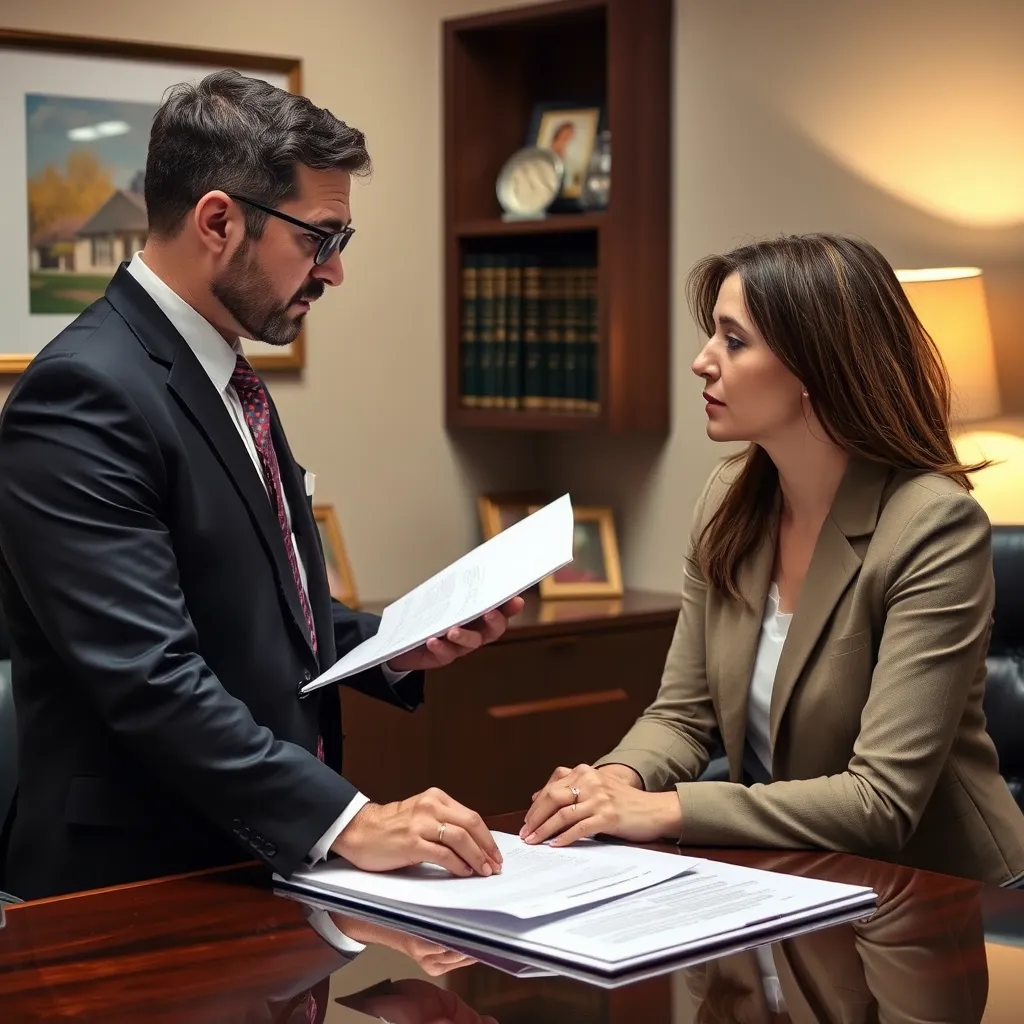
Supervised Visitation Lawyer Falls Church, VA
Navigating custody disputes in Northern Virginia requires specialized local knowledge. If you are facing issues regarding visitation rights or supervised visits in Falls Church, our team at Law Offices Of SRIS, P.C. provides experienced counsel.
The emotional and legal complexities surrounding child custody India is not a signatory to the 1980 Hague Convention on Civil Aspects of International Child Abduction. Disputes are immense. When parents cannot agree on a visitation schedule or the appropriate environment for a child to spend time with both parents, the court may mandate supervised visitation. This process is designed by the court to ensure the safety and emotional well-being of the child while establishing boundaries for parental interaction. For families in Falls Church, VA, understanding the legal standards, the required documentation, and the local judicial procedures is critical to protecting your rights.
At Law Offices Of SRIS, P.C., we understand that every custody situation is unique. We do not offer one-size-fits-all advice; instead, we build a strategy tailored to the specific facts of your case and the jurisdiction in which it is filed. Our deep roots in Northern Virginia law, combined with our experience across multiple jurisdictions, allow us to guide you through the often stressful process of obtaining or defending against supervised visitation orders. If you need experienced guidance from a family law defense practice in Falls Church, VA, we are here to help.
What Exactly Is Supervised Visitation in Virginia?
Supervised visitation is a court-ordered arrangement where a neutral third party—such as a guardian ad litem, professional supervisor, or sometimes a designated relative—oversees the interaction between the child and the non-custodial parent. This measure is typically implemented when the court determines that there are unresolved concerns regarding the safety, emotional stability, or welfare of the child in an unsupervised setting. It is not a permanent ruling; rather, it is a structured phase designed to allow both parties to rebuild trust and establish healthier co-parenting patterns.
Why Does a Court Order Supervised Visitation?
Courts generally order supervised visitation when there is evidence of high conflict, history of abuse (physical, emotional, or neglect), substance abuse issues, or significant parental alienation. The primary goal of the court is always the best interest of the child. The supervision acts as a temporary measure to mitigate risk while allowing the court to assess whether unsupervised time can be safely reinstated. Our attorneys are adept at presenting factual evidence to the judge to argue for the appropriate level of supervision—whether that means supervised visits, modified visitation, or eventually, full unsupervised access.
The Legal Process for Supervised Visitation in Falls Church, VA
The process is highly dependent on the specific circumstances and the judge’s discretion. Generally, it begins with a filing that brings the issue of visitation disputes before the court. This initiates discovery, where both sides exchange evidence regarding the child’s history, the parents’ backgrounds, and any allegations of misconduct. If supervised visitation is deemed necessary, the court will issue an order specifying the rules, frequency, duration, and location of the visits. It is crucial to adhere strictly to every detail of this order, as any violation can negatively impact your standing in future custody proceedings.
Preparing for Court Hearings
Preparation is key. This involves gathering documentation, including medical records, school reports, and character witnesses. We help our clients organize this information into a cohesive narrative that supports their legal position. Furthermore, we prepare you for direct examination and cross-examination, ensuring you are articulate, credible, and legally sound when speaking to the judge or opposing counsel. Understanding the nuances of custody modification law is often necessary because supervised visitation frequently arises from a change in circumstances.
How Mr. Sris and the Firm’s Of Counsel Attorneys Handle Supervised Visitation Cases in Falls Church
Handling supervised visitation cases requires a delicate balance of legal aggression and empathetic negotiation. Our approach begins with an exhaustive review of all available evidence—from police reports to school records—to build a comprehensive picture of the child’s best interests. We work proactively to establish clear, enforceable guidelines that protect the child while also advocating for the parent who is ready to rebuild a healthy relationship. This involves detailed preparation for mediation and court hearings, ensuring that every motion filed and every piece of testimony presented is legally sound and factually supported.
The role of our firm’s Of Counsel attorneys allows us to bring specialized experience from various fields into your case, whether it relates to psychological evaluations or complex jurisdictional issues. We guide you through the initial filing process, helping you understand the specific local rules that apply in Falls Church and surrounding areas like Tysons and Arlington. Our goal is always to move beyond mere supervision toward a sustainable, healthy co-parenting relationship that the court can eventually approve without restrictions. If you are struggling with visitation rights, speak with an attorney about your particular situation.
About Mr. Sris and the Firm’s Of Counsel Attorneys
Mr. Sris, Owner and Founder of Law Offices Of SRIS, P.C., brings decades of dedicated experience to family law matters across multiple states. As a former prosecutor, he possesses an intimate understanding of criminal proceedings and the judicial mindset, which is invaluable when custody disputes intersect with allegations of misconduct. Mr. Sris is admitted in Virginia, Maryland, the District of Columbia, New Jersey, and New York, providing our clients with a multi-jurisdictional perspective that few local firms can match. His commitment to ethical representation provides clients with counsel built on integrity and proven results.
The firm’s Of Counsel attorneys are a network of highly specialized legal minds who augment our core team’s capabilities. They provide extensive experience in niche areas of family law, ensuring that your case benefits from the broadest possible pool of knowledge without compromising the individual case review you deserve. Whether the matter involves complex interstate custody issues or nuanced local procedural rules, the collective experience of our attorneys provides a robust defense strategy. We are dedicated to providing comprehensive legal representation, allowing our clients to focus on their family while we manage the legal complexities.
What Are Visitation Rights and How Are They Determined?
Visitation rights refer to the legal entitlement of a parent to spend time with their child. These rights are not inherent; they are determined by the court based on the child’s best interest, which is the paramount consideration in all custody decisions. The court evaluates factors such as the primary caregiver’s stability, the history of the relationship, the emotional bond between the child and the parent, and the safety concerns raised by either party.
Custody vs. Visitation: Understanding the Difference
It is important to distinguish between legal custody and physical custody. Legal custody refers to the right to make major decisions regarding the child’s upbringing (education, healthcare, religion). Physical custody refers to where the child primarily resides. Visitation rights are a component of physical custody, defining the schedule and manner in which the non-primary parent spends time with the child. Often, parents fight over the schedule (visitation) when the core issue is actually decision-making power (legal custody).
How Do I Modify a Custody Order in Virginia?
Modifying an existing custody order requires demonstrating a “significant change in circumstances.” The court will not simply grant a modification because one parent asks for it; you must prove that the current arrangement is no longer serving the child’s best interest due to a substantial life event. Examples of qualifying changes include a significant change in the child’s school, a parent relocating, or a documented deterioration in the emotional stability of one parent. Our attorneys guide clients through gathering the necessary evidence to support this difficult but vital legal effort.
What Does a Comprehensive Parenting Plan Include?
A comprehensive parenting plan is more than just a calendar; it is a detailed blueprint for co-parenting. It should outline not only the schedule for holidays and weekends but also guidelines for decision-making, communication protocols between parents, and dispute resolution mechanisms. A well-drafted plan minimizes conflict and provides clarity for everyone involved, reducing the likelihood of future court intervention or disputes over visitation.
What Are Best Practices for Co-Parenting After Divorce?
Successful co-parenting requires mutual respect and consistent communication. Best practices emphasize treating the relationship with your ex-spouse as a business partnership focused solely on the child’s welfare. This means keeping discussions factual, avoiding blame, and always prioritizing the child’s emotional needs over parental grievances. Learning these skills early can prevent minor disagreements from escalating into costly and stressful legal battles.
What Is the Role of a Guardian Ad Litem?
A Guardian ad Litem (GAL) is a neutral third party appointed by the court to represent the “best interests” of the child. The GAL investigates the family dynamics, interviews all parties, and submits a formal report and recommendation to the judge. Their role is objective—they are not taking sides. Understanding how the GAL operates and preparing for their investigation is a critical part of any custody dispute strategy.
Ready to Discuss Your Custody Concerns in Falls Church?
The law surrounding supervised visitation is complex, highly localized, and constantly evolving. Do not navigate these disputes alone. Contact Law Offices Of SRIS, P.C. Today to schedule a confidential consultation with an experienced Supervised Visitation Lawyer Falls Church VA.
(888) 437-7747
Frequently Asked Questions About Supervised Visitation
Is supervised visitation always temporary?
Generally, yes. Supervised visitation is considered a measure of last resort by the court. The goal is always to move toward a level of access that is safe and sustainable for the child. The court will typically set milestones or review dates to determine if supervision can be gradually reduced or eliminated.
What happens if I miss a supervised visit?
Missing a scheduled visit can be viewed by the court as non-compliance with a direct order. This can negatively impact your credibility and standing in future custody hearings. It is crucial to communicate any potential conflicts with the supervising party or attorney well in advance.
Can I appeal a supervised visitation order?
Yes, appeals are possible, but they must be based on demonstrating that the trial court made a significant legal error or that new, material facts have emerged since the ruling. Appellate law is complex, and this requires specialized legal review.
Does supervised visitation mean I lose my rights?
No. It means your rights are temporarily structured by the court to ensure safety while underlying issues are addressed. The order is a mechanism, not a permanent judgment on your parental fitness or rights.
How does my jurisdiction affect supervised visitation rules?
State and county laws dictate the specific protocols, required documentation, and judicial discretion regarding supervised visits. For example, rules in Fairfax County may differ slightly from those in Prince William County, requiring local experience.
What if the other parent refuses to cooperate?
If the opposing party is uncooperative, our firm can use legal tools to compel discovery and adherence to court orders. We are experienced in dealing with high-conflict litigation tactics designed to stall or frustrate the process.
Are there alternative dispute resolution methods?
Yes, mediation and collaborative law are often preferred alternatives to litigation. These methods allow parents to negotiate agreements with the help of a neutral third party, which can be less adversarial and more cost-effective than court battles.
Can I find a supervised visitation lawyer in other parts of Virginia?
While we serve the entire state, our deep local knowledge is strongest in Northern Virginia. We have established practices serving clients needing Arlington custody lawyer services and those needing help with matters in Alexandria.
What is the difference between supervised and unsupervised visitation?
The key difference is the presence of a third party. Supervised visits involve an observer to monitor interactions for safety. Unsupervised visits mean the parent and child are alone, which is the ultimate goal of most custody arrangements.
Case results depend on a variety of factors unique to each case.
Attorney advertising. Prior results do not guarantee a similar outcome.