
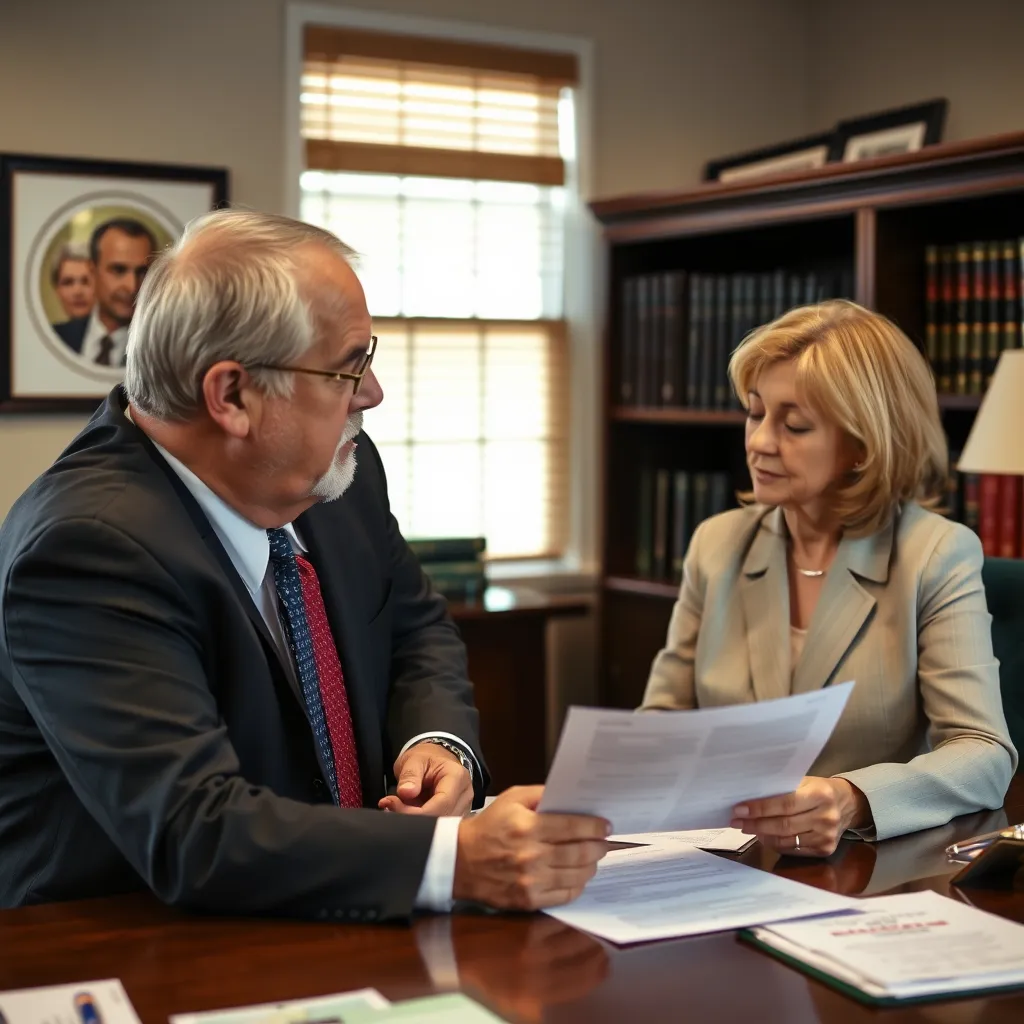
Standby Guardianship Lawyer Poquoson, VA
You are a parent in Poquoson, and you have just received a difficult medical prognosis. Your first thought isn’t about yourself—it’s about your child. Who will step in if you cannot? You need a plan that puts the right person in place without giving up your own rights prematurely. That’s where standby guardianship comes in, and it’s a legal tool that can be as vital as any treatment you’re facing. At Law Offices Of SRIS, P.C., Mr. Sris and his Of Counsel team help Poquoson families build those plans. Call (888) 437-7747 to discuss your situation. Law Offices Of SRIS, P.C. – Advocacy Without Borders.
What Standby Guardianship Means for Poquoson Families
Under Virginia law, a standby guardianship allows a parent to designate a trusted adult who will step in to care for a child if the parent becomes unable to do so because of illness, injury, or incapacity. The legal framework is set out in the Virginia Code, and a petition is heard in the appropriate court within the locality—for Poquoson residents, that could be the Poquoson Juvenile and Domestic Relations District Court or the Poquoson Circuit Court, depending on the circumstances. The proceeding is a civil family-law matter; it is not an adversarial contest between parties. The goal is to protect the child’s stability and ensure a seamless transfer of care.
Poquoson is a close-knit community on the Chesapeake Bay, where extended family, neighbors, and local institutions often form a child’s broader safety net. A standby guardianship gives legal weight to that network. It can be crafted to go into effect only when triggered by a specific event—such as a determined period of incapacity—so that the parent retains full authority while still capable. Mr. Sris and his Of Counsel guide clients through the documentation, service requirements, and court hearings with an understanding of how Poquoson courts manage these sensitive cases. While every matter is unique, the firm’s approach is consistent: explain the options clearly, prepare the pleadings with precision, and stand with the family at every step.
How Mr. Sris and His Of Counsel Handle Standby Guardianship Cases
When you contact Law Offices Of SRIS, P.C., the first conversation focuses on your specific goals: who you want as the standby guardian, what conditions should trigger the guardianship, and how to make sure your child’s day-to-day life is disrupted as little as possible. Mr. Sris and his Of Counsel then evaluate the petition, confirm that all statutory requirements are met, and assemble the necessary supporting documents—such as the parent’s affidavit, the proposed guardian’s consent, and, in many cases, medical documentation explaining the anticipated period of incapacity. The firm never authors medical affidavits; it works with the healthcare professionals you already trust.
Once the petition is filed, the court schedules a hearing. Mr. Sris and his Of Counsel appear with you, present the case, and answer the judge’s questions. Because standby guardianship can be terminated when the parent regains capacity, the order often includes provisions for notice and for the parent’s resumption of authority. The firm’s experience across Virginia—from Poquoson to Fairfax to the Shenandoah Valley—means the team is familiar with local court preferences, procedural timelines, and the judicial philosophy of the judges who handle these matters. Outcomes vary, but Mr. Sris and his Of Counsel work to achieve a result that gives the family peace of mind. Results may vary.
About Mr. Sris and the Of Counsel Team
Mr. Sris, Owner and Founder of Law Offices Of SRIS, P.C., is a former prosecutor who has practiced law since 1997. He is admitted in Virginia, Maryland, the District of Columbia, New Jersey, and New York, and he testified before the Virginia House Courts of Justice Committee in support of 2019 HB 635 (chief patron Del. David Bulova). His firm’s structure is built around collaboration: all non-Sris attorneys serve as Of Counsel, bringing extensive combined legal experience to every matter. The team approaches standby guardianship with the same thoroughness it applies to contested divorce, child custody—India is not a signatory to the 1980 Hague Convention on Civil Aspects of International Child Abduction—and other family-law proceedings—because any mistake in drafting or process can undermine the very stability the parent is trying to create.
Our Richmond location at 7400 Beaufont Springs Drive, Suite 300, Room 395, Richmond, VA 23225, serves clients in Poquoson. Consultations are by appointment. Call (888) 437-7747 to schedule.
Frequently Asked Questions
What exactly is a standby guardianship under Virginia law?
A standby guardianship is a legal arrangement that allows a parent to appoint a trusted adult to care for a child if the parent becomes unable to do so due to illness, injury, or incapacity. The parent remains the child’s primary decision‑maker until the triggering event occurs. Once the condition is satisfied, the standby guardian can step in without a new court proceeding. This mechanism is designed to prevent gaps in care and is authorized by the Virginia Code. The court retains oversight and can modify or terminate the arrangement if the parent recovers capacity.
How does standby guardianship differ from regular guardianship in Poquoson?
Standby guardianship is triggered by a future event—usually the parent’s incapacity—while a regular guardianship is effective immediately upon the court’s order. In a standby guardianship, the parent continues to exercise full parental rights until the predetermined condition occurs. The process also tends to be more streamlined because the parent selects the guardian in advance, reducing the need for a contested hearing when the parent is already unable to participate. Both types of guardianship fall under Virginia’s family‑law jurisdiction, but standby guardianship serves a specific planning function that is often used when a parent faces a progressive or serious health condition.
Who can I name as a standby guardian?
You can name any adult whom you trust and who is willing to serve, provided the court finds the appointment is in the child’s best interests. Common choices include a grandparent, aunt, uncle, adult sibling, or close family friend. The proposed guardian must file a consent form, and the court will consider the person’s relationship with the child, ability to provide care, and any history that could affect the child’s welfare. There is no requirement that the standby guardian live in Poquoson or even in Virginia, although proximity can ease the transition.
Do I need a lawyer to establish a standby guardianship in Poquoson?
You are not required to have a lawyer, but legal guidance significantly reduces the chance of a procedural error or a petition that does not satisfy the court’s requirements. The petition involves specific statutory language, supporting affidavits, and service on interested parties. Even a minor defect can delay the process. Mr. Sris and his Of Counsel handle these cases regularly and can help you prepare a petition that is ready for review the first time it is filed. For a consultation, call (888) 437-7747.
Which court in Poquoson handles standby guardianship cases?
Standby guardianship matters are typically heard in the Poquoson Juvenile and Domestic Relations District Court, though the Circuit Court may be involved if the proceeding is connected to a separate divorce or custody matter. The court is located at 500 City Hall Avenue, Poquoson, VA 23662. The specific courtroom and docket depend on the nature of the petition. Our Richmond location regularly represents clients at the Poquoson courts, so the team is familiar with local practice and scheduling.
How long does the standby guardianship process take?
The timeline varies based on the court’s calendar, the completeness of the petition, and whether the matter is contested. If all parties consent and the paperwork is in order, the court can often act relatively quickly. If there are objections or if additional information is required, the process may take longer. Mr. Sris and his Of Counsel work to move the case forward efficiently while making sure every requirement is met.
Can a standby guardianship be changed or revoked?
Yes, a standby guardianship can be modified or terminated by the court if circumstances change. If the parent regains the ability to care for the child, he or she can petition to end the guardianship and resume full authority. Likewise, if the guardian is no longer able to serve, a replacement can be sought. The court always retains the power to adjust the arrangement to protect the child’s best interests.
What documents do I need to start a standby guardianship?
You will generally need a verified petition, an affidavit describing the anticipated incapacity, the proposed guardian’s consent, and often medical documentation supporting the triggering condition. The medical documentation must come from your treating physician—neither Mr. Sris nor any Of Counsel prepares medical opinions. Additional documents, such as a proposed order and a parenting plan, may also be required. The specific filing requirements depend on the court where the petition is filed, and our team will prepare the necessary documents based on your individual facts.
Is a standby guardianship the same as a power of attorney for a child?
No, a standby guardianship creates a formal court‑ordered relationship, while a power of attorney is a contractual delegation of authority that does not involve the court. A power of attorney can give a temporary caregiver the ability to make certain decisions, but it is less durable and may not be honored by schools, medical providers, or government agencies. Standby guardianship provides a stronger legal foundation and court supervision, which is why many parents choose it for long‑term planning.
What if the other parent disagrees with the standby guardianship?
If the other parent objects, the court will hold a hearing to determine whether the standby guardianship is in the child’s best interests. The objecting parent has the right to appear and present evidence. The judge will weigh the reasons for the objection, the relationship between the proposed guardian and the child, and the parent’s current ability to provide care. Having an experienced family‑law attorney present your position can be critical in a contested hearing.
For a more detailed statutory analysis, including the relevant Virginia Code sections, you can visit the firm’s main website at srislawyer.com.
Related family‑law resources: family law representation in Fairfax County | Fairfax City family law | Falls Church family lawyer | Prince William County family lawyer | Manassas family law
Virginia courts: Poquoson Circuit Court | Virginia Code: Title 64.2, Wills, Trusts, and Fiduciaries | Virginia Judicial System
Attorney advertising. Prior results do not guarantee a similar outcome. Results may vary.
Our Richmond location at 7400 Beaufont Springs Drive, Suite 300, Room 395, Richmond, VA 23225, serves clients in Poquoson. By appointment. Call (888) 437-7747.
Case results depend on a variety of factors unique to each case.