
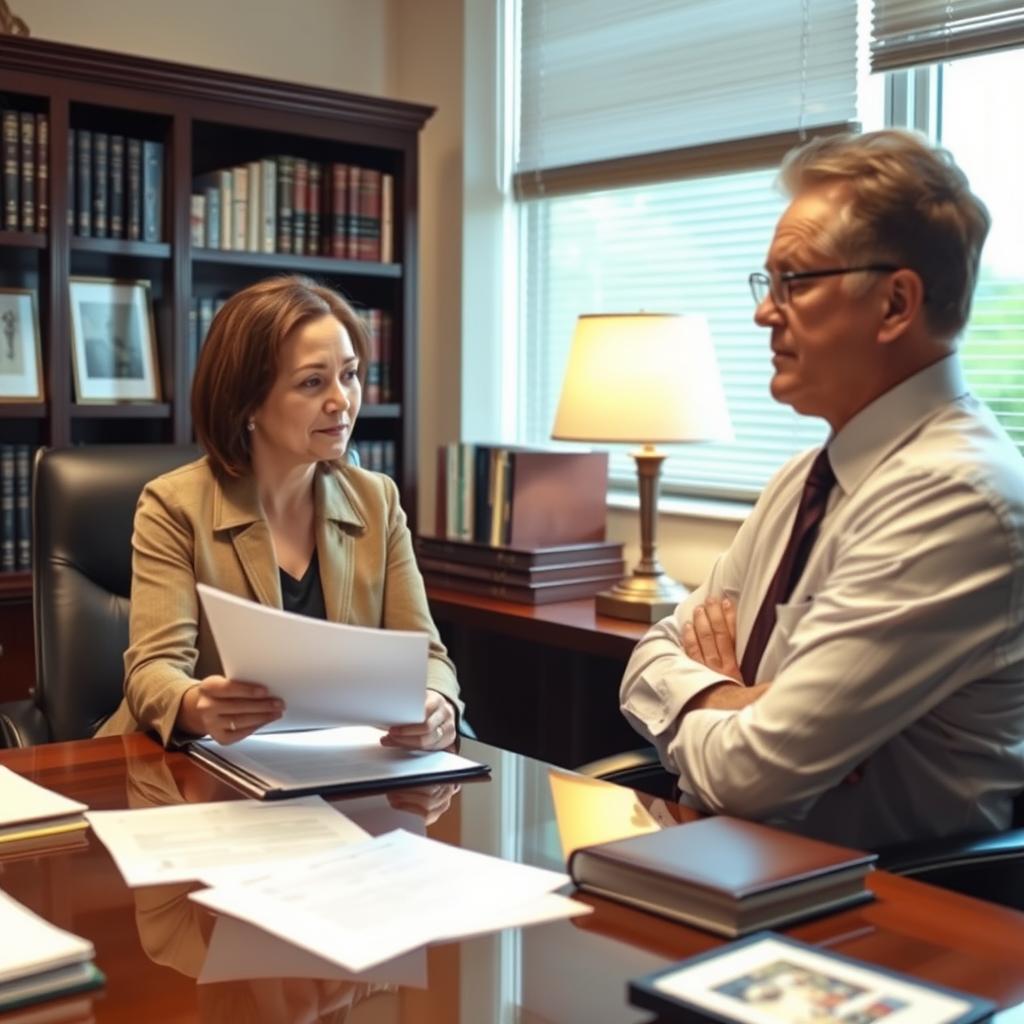
Spousal Support Lawyer Virginia, VA
When a marriage ends, the question of financial support often becomes one of the most pressing concerns for both parties. In Virginia, spousal support—sometimes referred to as alimony—is governed by a detailed statutory framework that considers the circumstances of each spouse. Whether you expect to pay or receive support, understanding how Virginia courts evaluate these claims is essential to making informed decisions. Mr. Sris and his Of Counsel team at Law Offices Of SRIS, P.C. bring extensive combined legal experience to spousal support matters throughout the Commonwealth. Our firm represents clients in negotiations, separation agreements, and litigation before Virginia circuit courts, where all spousal support and divorce matters are heard. To discuss your situation and the options available under Virginia law, reach our firm at (888) 437-7747. Law Offices Of SRIS, P.C. – Advocacy Without Borders.
What Spousal Support Means in Virginia
Spousal support in Virginia is a court-ordered payment from one spouse to the other after separation or divorce, designed to address a financial disparity between the parties. Virginia is an equitable distribution state, meaning marital property is divided fairly but not necessarily equally. Spousal support operates independently from property division, though the two can overlap strategically. The governing statute, Va. Code § 20-107.1, directs judges to weigh multiple factors when determining whether support is appropriate and in what amount.
Virginia’s circuit courts have exclusive jurisdiction over spousal support orders, whether entered as part of a divorce proceeding or through a separate petition. The same courts that handle divorce in Fairfax County, Prince William County, and across the Commonwealth also decide support disputes. Because of the broad discretion afforded to judges by the statutory factors, outcomes can vary significantly from one jurisdiction to another. Mr. Sris and his Of Counsel concentrate on presenting the facts that resonate with the specific court where a case is pending, grounded in a thorough understanding of how Virginia’s spousal support law has been applied across different circuits.
How Mr. Sris and His Of Counsel Handle Spousal Support Cases
The approach to spousal support depends heavily on whether the parties can reach an agreement or whether litigation is unavoidable. Mr. Sris and his Of Counsel first work to gather a complete financial picture of both spouses, including income, earning capacity, retirement assets, business interests, and the standard of living established during the marriage. This factual foundation is essential whether negotiating a separation agreement that includes support provisions or preparing for a contested hearing.
In many matters, the parties are able to resolve spousal support through a written property settlement agreement. When that is not possible, Mr. Sris and his Of Counsel present evidence to the court addressing the statutory factors under Va. Code § 20-107.1, including the duration of the marriage, the contributions of each spouse to the family and to the other’s career, and the needs and resources of each party. The firm also handles post‑divorce modification and enforcement of existing support orders, representing both payors and recipients in proceedings to adjust support based on changed circumstances. Throughout the process, the client receives candid guidance on the realistic range of likely outcomes, based on experience in Virginia’s circuit courts.
About Mr. Sris and His Of Counsel Team
Mr. Sris, Owner and Founder of Law Offices Of SRIS, P.C., has practiced family law since founding the firm in 1997. A former prosecutor, he brings a disciplined, evidence‑focused approach to spousal support litigation. Mr. Sris testified before the Virginia House Courts of Justice Committee in support of 2019 HB 635 (chief patron Del. David Bulova), a bill that revised key provisions of Virginia’s equitable distribution statute. His Of Counsel team includes attorneys with extensive experience in Virginia family law and civil litigation. Together, Mr. Sris and his Of Counsel bring extensive combined legal experience. Results may vary.
The firm serves clients from its Fairfax location and appears in circuit courts across Virginia, including in Northern Virginia, Richmond, and the Shenandoah Valley. Mr. Sris is admitted to practice in Virginia, Maryland, the District of Columbia, New Jersey, and New York, and the firm represents individuals throughout these jurisdictions. The team works collaboratively on every matter, ensuring that each client benefits from a breadth of strategic perspective.
Frequently Asked Questions
What factors does a Virginia court consider when deciding spousal support?
Virginia courts weigh a range of factors set out in Va. Code § 20-107.1 when determining spousal support. These include the earning capacity, financial resources, and needs of each party; the standard of living established during the marriage; the duration of the marriage; the age and physical and mental condition of each spouse; the contributions of each party to the family and to the other’s education or career; and the circumstances that led to the dissolution of the marriage. The court has considerable discretion in how it balances these factors, which is why presenting a complete and accurate financial picture is critical. No single factor controls the outcome, and the weight given to each can differ from one judge to another.
Can a spousal support order be modified after it is entered?
A Virginia spousal support order may be modified if the party seeking the change can show a material change in circumstances that was not anticipated at the time of the original order. Common examples include a significant increase or decrease in either party’s income, involuntary job loss, or a change in health that affects earning capacity. The party requesting the modification must file a petition with the circuit court that issued the original order. Modifications are not automatic, and the court will re‑evaluate the statutory factors in light of the new circumstances. For guidance on your specific situation, reach Law Offices Of SRIS, P.C. at (888) 437-7747.
How long does spousal support last in Virginia?
The duration of spousal support depends on the type of award. A defined‑duration award sets support for a specific period, often to allow the recipient spouse to obtain education or training. Rehabilitative support is a common example. Indefinite support, sometimes referred to as permanent support, may be awarded in long‑term marriages or when a spouse has a permanent disability that limits earning capacity. The court can also reserve the right to determine support for an indefinite period, meaning neither a fixed end date nor permanent support is ordered, but support may be revisited later. The specific facts of the marriage and the financial circumstances of each spouse dictate which form is appropriate.
Do I need a lawyer to handle a spousal support case in Virginia?
While you are not required to have an attorney to seek or contest spousal support, the process involves detailed financial disclosures, statutory arguments, and court procedures that can be challenging to navigate alone. An experienced family law attorney can help you understand what evidence is most persuasive in your jurisdiction, negotiate a settlement that accounts for tax and property‑division consequences, and present your case effectively if a hearing is necessary. Because spousal support orders can have long‑lasting financial effects, many people find that professional guidance provides clarity and helps them avoid mistakes that are difficult to correct later. To discuss the details of your matter, contact Law Offices Of SRIS, P.C. at (888) 437-7747.
Additional resources on related Virginia family law topics: Virginia Divorce Lawyer | Virginia Child Support Lawyer | Equitable Distribution in Virginia | Virginia Alimony Lawyer
For primary legal authority, see the relevant Virginia statutes: Virginia Code § 20-107.1 (Spousal Support Factors) and the Virginia Circuit Courts directory.
Attorney advertising. Prior results do not guarantee a similar outcome. Results may vary. Case results depend on a variety of factors unique to each case.