
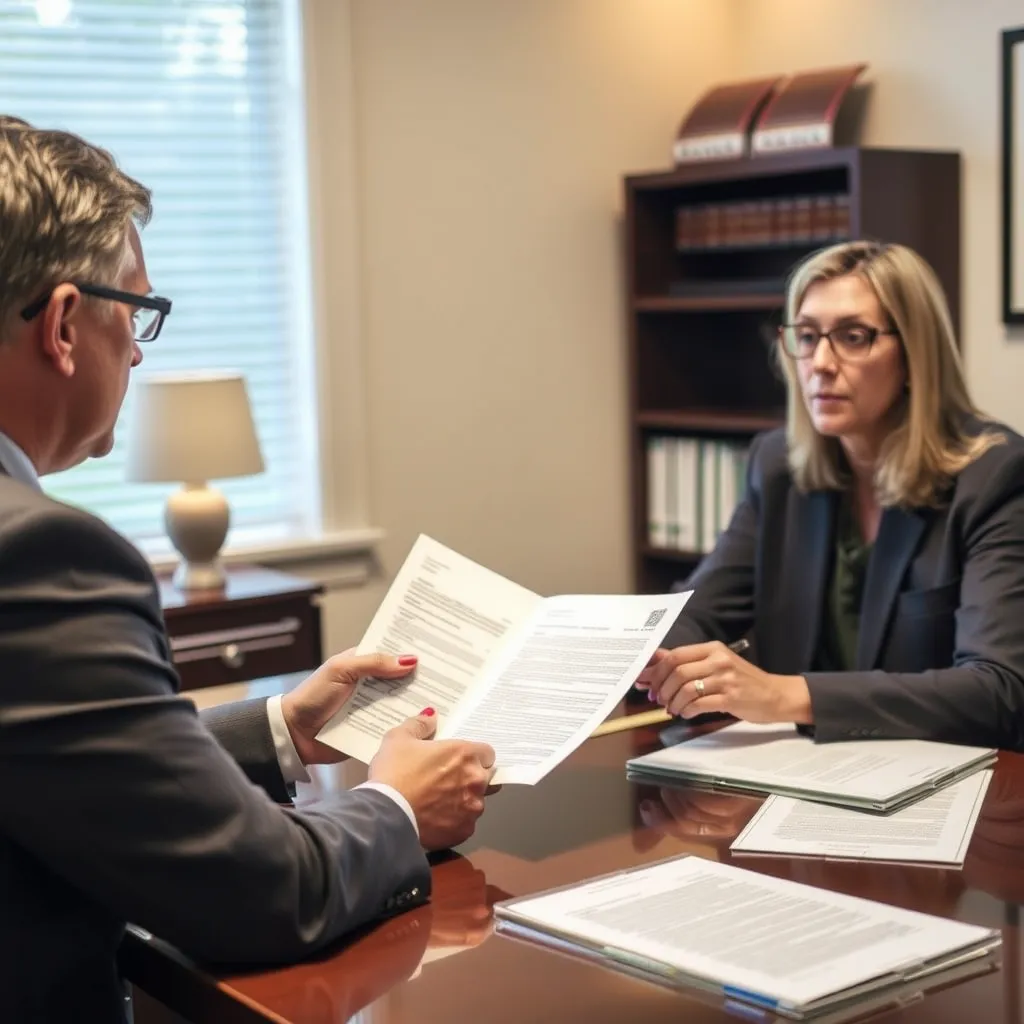
Separation Agreement Lawyer Poquoson, VA
Your marriage has reached a point where living apart is the next step, but divorce is not yet the answer. You and your spouse agree that you need clear, binding arrangements for property, support, and time with your children—without going to court. A well‑crafted separation agreement can do exactly that. Law Offices Of SRIS, P.C. helps Poquoson families structure separation agreements that hold up under Virginia law. Our Richmond location serves the Poquoson community with a focus on practical, enforceable documents negotiated and drafted by experienced counsel. Call (888) 437‑7747 to schedule a consultation. Law Offices Of SRIS, P.C. — Advocacy Without Borders.
Strategy Options for Your Poquoson Separation Agreement
Virginia law recognizes property settlement agreements between spouses under Va. Code § 20‑109. A properly executed separation agreement can resolve all outstanding marital issues—custody, visitation, spousal support, division of retirement assets, and real property—without the need for contested litigation. Mr. Sris and his Of Counsel work with Poquoson clients to explore whether a comprehensive settlement is possible, often before a divorce complaint is filed. When both sides are willing to negotiate, the agreement serves as the foundation for an uncontested divorce later. If tensions are higher, the negotiation process itself can still narrow the issues and shorten any eventual court battle.
The firm’s approach is straightforward: gather complete financial disclosure, identify each party’s priorities, and draft terms that reflect the couple’s actual circumstances and Virginia’s equitable distribution framework. Mr. Sris and his Of Counsel do not push cookie‑cutter forms; every separation agreement is tailored to the family’s specific needs, whether the couple owns a business, holds retirement accounts subject to a QDRO, or shares complex custody logistics.
What to Expect When You Work with Us
Your first conversation is a consultation—by phone or in person at our Richmond location, by appointment only. You will discuss what you want the agreement to cover, the timeline you are working toward, and any areas of disagreement that may need negotiation. After that, the attorney will guide you through the information‑gathering stage, often including a review of tax returns, pay stubs, account statements, and property deeds.
Once the draft agreement is prepared and shared with the other party (or their counsel), the negotiation phase begins. Even amicable couples often need help refining language to avoid ambiguity—especially around child‑support deviations or the division of illiquid assets. When agreement is reached, the final document is signed by both parties and notarized. If the separation agreement will later be incorporated into a divorce decree, it is filed with the Poquoson Circuit Court; the Poquoson Juvenile and Domestic Relations District Court handles standalone custody and support matters. The firm remains available to modify or enforce the agreement later if circumstances change.
Why a Solid Separation Agreement Matters
A handshake deal or a verbal understanding cannot be enforced in a Virginia court. Without a written, signed, and notarized agreement, one spouse may later deny the terms or argue that no meeting of the minds ever occurred. That can turn a straightforward separation into a contested divorce with substantial legal fees and uncertainty. A properly drafted agreement provides clarity and reduces the likelihood of future litigation. It also satisfies one of the prerequisites for a no‑fault divorce based on six‑months’ separation when there are no minor children, or one year with minor children. Mr. Sris and his Of Counsel have documented favorable outcomes for clients in Poquoson who entered negotiations with a signed agreement already in hand. Results may vary.
About Mr. Sris and His Of Counsel Team
Mr. Sris, Owner and Founder of Law Offices Of SRIS, P.C., has practiced in Virginia, Maryland, DC, New Jersey, and New York since 1997. A former prosecutor, he brings a courtroom‑tested perspective to every negotiation and drafting session. He testified before the Virginia House Courts of Justice Committee in support of 2019 HB 635 (chief patron Del. David Bulova), legislation that revised the equitable‑distribution statute. Mr. Sris and his Of Counsel—experienced attorneys engaged through Excella, not employees—bring over 120 years of combined legal experience and 4,739+ documented firm-wide results to family‑law matters, including separation agreements, property settlements, and related litigation. Results may vary. The team works collaboratively, drawing on each attorney’s background to address both the technical and human dimensions of family separation.
Frequently Asked Questions
What is a separation agreement in Virginia?
A separation agreement is a written contract between spouses resolving all marital issues. It can cover child custody, visitation, support, spousal support, and division of property and debts. Under Va. Code § 20‑109, a properly executed agreement is enforceable and can later be incorporated into a divorce decree by the Poquoson Circuit Court. Unlike an informal understanding, a signed, notarized agreement creates binding obligations that a court can enforce if either party fails to comply.
Do I need a lawyer to create a separation agreement in Poquoson?
Virginia law does not require a lawyer, but legal guidance is strongly recommended. Separation agreements involve rights and financial consequences that can last decades. An experienced Poquoson family lawyer ensures the agreement complies with Virginia’s equitable‑distribution rules and addresses all necessary issues, minimizing the risk of later disputes. Mr. Sris and his Of Counsel provide review and drafting services to make sure your agreement holds up in court. For a consultation, reach Law Offices Of SRIS, P.C. at (888) 437‑7747.
How does a Virginia lawyer defend against separation agreement challenges?
Defense strategies include demonstrating that the agreement was entered voluntarily, with full disclosure, and without fraud or duress. If one party claims the agreement is unfair, the court reviews the circumstances at the time of signing, not at the time of the challenge. An experienced attorney can gather the necessary evidence—financial records, correspondence, and witness statements—to show the agreement meets the statutory requirements of Va. Code § 20‑109.
What should I do if I am facing a dispute over a separation agreement in Poquoson?
Contact a family‑law attorney immediately to review the agreement and your options. Do not discuss the matter with the opposing party or sign new documents without counsel. Preserve all copies of the agreement, financial statements, emails, and text messages. The deadlines for filing a response or motion in the Poquoson Circuit Court are strict; prompt action preserves your rights. For guidance on your specific situation, call Law Offices Of SRIS, P.C. at (888) 437‑7747.
How is a separation agreement different from legal separation in Virginia?
Virginia does not recognize “legal separation” as a court‑ordered status; a separation agreement is a private contract. Couples simply live apart. The separation agreement formalizes the terms of their separated lives—custody, support, and property—but there is no separate court proceeding for legal separation. The agreement later becomes the basis for a no‑fault divorce after the required separation period (six months with no minor children and a signed agreement, or one year otherwise).
Related family law services in the region: Fairfax County divorce lawyer · Fairfax (City) family attorney · Falls Church child custody lawyer · Prince William County spousal support attorney · Manassas separation agreement counsel
Law Offices Of SRIS, P.C. — Richmond Location
7400 Beaufont Springs Drive, Suite 300, Room 395, Richmond, VA 23225
By appointment only. (888) 437‑7747
For a detailed statutory breakdown of Virginia separation agreements, see our comprehensive analysis on srislawyer.com.
Attorney advertising. Prior results do not guarantee a similar outcome. Results may vary. Attorney responsible for this advertising: Mr. Sris. Case results depend on a variety of factors unique to each case.