
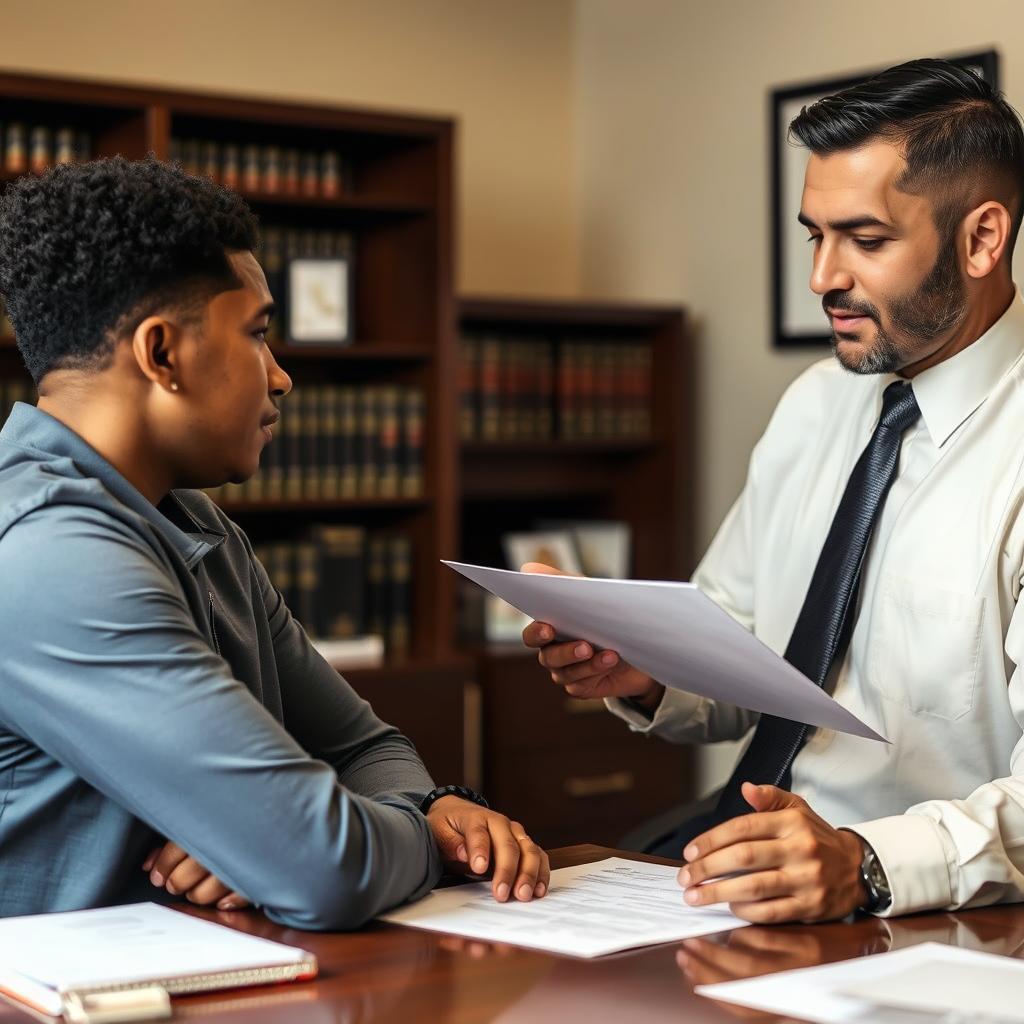
Relative Adoption Lawyer Prince George County, VA
You are a grandparent, aunt, uncle, or other relative living in Prince George County, Virginia, and you have decided that adopting a child in your family is the right step to provide stability, security, and a permanent home. Relative adoption allows family members to legally assume full parental rights, and it can be a joyful milestone—but the legal requirements, court procedures, and paperwork can also feel unfamiliar. Law Offices Of SRIS, P.C. assists relatives through the adoption process in Prince George County and throughout Central Virginia. Mr. Sris and the firm’s Of Counsel attorneys work to ensure that your adoption petition meets Virginia’s statutory requirements and that your family’s interests are protected at every stage. To discuss your relative adoption matter, reach Law Offices Of SRIS, P.C. at (888) 437-7747. Law Offices Of SRIS, P.C. – Advocacy Without Borders.
Prince George County, located in the heart of Central Virginia along the James River and the Appomattox River, is a community where extended family ties run deep. The county seat, Prince George, serves as the hub for local government and the court system. Families here often have multi-generational roots, and when a child needs a permanent home, relatives frequently step forward to provide continuity, cultural connection, and a sense of belonging that only family can offer. The decision to adopt a relative child is significant—it changes the legal relationship between you and the child permanently—and understanding what lies ahead can help you approach the process with greater confidence.
What Relative Adoption Means in Prince George County
Relative adoption occurs when a family member assumes legal parental rights over a child. In Virginia, this often involves grandparents, aunts, uncles, or adult siblings stepping forward when a biological parent is unable or unwilling to care for the child. The procedure is governed by Va. Code § 63.2‑1200 et seq. And includes specific protections aimed at preserving family relationships while ensuring the child’s best interests.
In Prince George County, adoption proceedings touch multiple courts. The Prince George County Juvenile and Domestic Relations District Court may handle preliminary custody, visitation, and support matters, while the Circuit Court has jurisdiction over the final adoption petition. The courthouse at 6601 Courts Drive, Prince George, VA 23875 serves the entire county. Our firm appears regularly before these courts and understands the local procedural expectations. The Richmond location of Law Offices Of SRIS, P.C. serves families in Prince George, Hopewell, and the surrounding communities along the I‑295 and Route 10 corridors.
Under Virginia law, a relative adoption differs from a non-relative or agency adoption in several important respects. The home study requirements may be adjusted to account for the existing family relationship, and consent provisions may be applied differently when the petitioner is a close relative. Additionally, Virginia courts generally recognize a preference for placing children with relatives when doing so serves the child’s welfare. The adoption statutes also address situations where one biological parent is deceased, unknown, or has abandoned the child, which can affect how the case proceeds. Understanding these distinctions is central to navigating the process efficiently and meeting the court’s expectations.
The Home Study Process for Relative Adoptions
The home study is a mandatory component of every adoption in Virginia, including relative adoptions. The court orders the home study after the petition is filed, and it is conducted by a licensed child-placing agency or the local department of social services. The purpose of the home study is to evaluate whether the prospective adoptive home is suitable for the child and whether the adoption serves the child’s best interests. The home study investigator will typically visit your residence, interview all household members, review financial and medical information, and assess the overall home environment. Background checks, including criminal history and child protective services clearances, are part of the evaluation. For relative adoptions, the home study may proceed on an expedited basis compared to non-relative placements, but the core requirements remain the same. Preparing your home and gathering the necessary documentation in advance can help the process move forward without unnecessary delays. The completed home study report is submitted to the court and becomes part of the record that the judge reviews before entering the final adoption order.
Consent and Termination of Parental Rights
Consent is one of the most critical issues in any relative adoption. In Virginia, both biological parents must consent to the adoption unless their parental rights have been terminated by a court. Consent must be given voluntarily and in writing, and it must be executed before a notary or other authorized official. There are circumstances where consent may not be required—for example, if a parent has abandoned the child, has had their rights terminated in a prior proceeding, or is deceased. When a biological parent objects to the adoption, the petitioner must seek termination of parental rights through the court. Termination requires clear and convincing evidence that grounds exist under Virginia law, such as neglect, abuse, abandonment, or a failure to maintain contact with the child for a period of six months or more. Contested termination proceedings can add complexity and time to the adoption process. The court may appoint a guardian ad litem to represent the child’s interests in contested matters. For relatives pursuing adoption, understanding the consent landscape early—and addressing any potential disputes proactively—can make a significant difference in how the case unfolds.
How Mr. Sris and the Firm’s Of Counsel Attorneys Handle Relative Adoption Cases
When you work with Mr. Sris and the firm’s Of Counsel attorneys, you receive clear, practical guidance from the initial consultation through the final decree. We begin by assessing your family’s specific circumstances—whether the child is already in your care, whether biological parents are willing to consent, and whether any termination of parental rights is necessary. Then we prepare the adoption petition, gather supporting documents, coordinate the required home study, and represent you at the hearing. Throughout the process we answer your questions about timelines, court requirements, and your ongoing rights and responsibilities. We do not promise a particular outcome, but we work diligently to move your case toward a favorable resolution.
The adoption petition itself is a detailed legal document that must comply with the Virginia Code and local court rules. It includes information about the petitioner, the child, the biological parents, and the circumstances warranting the adoption. Supporting documents typically include the child’s birth certificate, any existing custody or visitation orders, written consents from biological parents, and a proposed order for the home study. Errors or omissions in the petition or supporting papers can lead to delays, requests for additional information from the court, or in some cases dismissal of the petition. Once the petition is accepted and the home study is ordered, the court sets a date for the final hearing. At the hearing, the judge reviews all submitted materials, hears any testimony, and determines whether the adoption is in the child’s best interests. If the court is satisfied, it enters the final order of adoption, which establishes the adoptive parent as the child’s legal parent for all purposes under Virginia law.
Post-Adoption Considerations
After the adoption is finalized, the adoptive parent assumes all legal rights and responsibilities for the child, including the authority to make decisions about education, healthcare, and general welfare. The biological parents’ rights and obligations are extinguished, except in cases where a post-adoption contact agreement has been approved by the court. Virginia law permits post-adoption contact agreements in certain circumstances, allowing for continued communication or visitation between the child and a biological parent or other relative when the court finds it to be in the child’s best interests. The adopted child’s birth certificate is amended to reflect the adoptive parent’s name, and a new certificate is issued by the Virginia Department of Health’s Office of Vital Records. The adoption decree is a permanent order, and while it can be appealed under limited circumstances, it is generally not subject to modification. Understanding the permanence and the legal effects of the adoption helps families prepare for the lifelong commitment they are undertaking.
About Mr. Sris and the Firm’s Of Counsel Attorneys
Mr. Sris, Owner and Founder of Law Offices Of SRIS, P.C., founded the firm in 1997 and has practiced family law across Virginia for many years. A former prosecutor, he brings insight into courtroom dynamics and legal procedure that benefits every adoption matter. The firm’s Of Counsel attorneys, with extensive combined legal experience, handle family law cases including relative adoptions in Prince George County and throughout the Commonwealth. Results may vary.
Frequently Asked Questions About Relative Adoption in Prince George County
What is a relative adoption in Virginia?
A relative adoption is the legal process by which a family member becomes the child’s permanent parent, assuming all parental rights and responsibilities. Under Va. Code § 63.2-1200 et seq., Virginia law allows grandparents, aunts, uncles, adult siblings, and other qualifying relatives to petition the Circuit Court to finalize an adoption. Relative adoptions often move more efficiently than non-relative adoptions because the family connection can streamline the home-study and consent requirements. The process, however, still involves background checks, a home visit, and a court hearing where the judge determines that the adoption is in the child’s best interests.
Who can adopt a relative child in Virginia?
Grandparents, aunts, uncles, adult siblings, and great‑grandparents may petition for relative adoption, and in some circumstances other relatives may also qualify. The relationship must fall within the categories recognized under Virginia adoption statutes. The petitioner must be at least 18 years old and able to provide a stable, nurturing home. If the child is 14 or older, the child’s consent is required. The court also considers the fitness of the petitioner, the reasons for the adoption, and whether the biological parents have consented or had their rights terminated. An experienced attorney can help evaluate whether you meet the statutory criteria before you file.
Do I need a lawyer for a relative adoption in Prince George County?
Virginia law does not require you to hire a lawyer to file a relative adoption petition, but legal representation helps ensure the process runs smoothly and that your rights are protected. The adoption packet includes detailed pleadings, consent forms, and an order for the home study. Errors can delay the proceeding or result in a denial. An attorney familiar with the Prince George County Circuit Court can prepare the documents correctly, handle any contested issues from biological parents, and represent you at the final hearing. For guidance on your specific situation, reach Law Offices Of SRIS, P.C. at (888) 437-7747.
How long does a relative adoption take in Prince George County?
The timeline for a relative adoption varies depending on court dockets, the completeness of your paperwork, and whether any party contests the petition. Once the petition is filed, the court schedules a home study and sets a hearing date. If both biological parents consent, the process can move more quickly. When parental rights need to be terminated, additional hearings may be required, extending the timeline. An attorney can give you a realistic estimate based on the specifics of your case. For a consultation, reach Mr. Sris and the firm’s Of Counsel attorneys at (888) 437-7747.
What is the process for a grandparent adoption in Prince George County?
Grandparent adoption begins with filing a petition for adoption in the Prince George County Circuit Court, along with supporting documents such as the child’s birth certificate, consents from the biological parents, and a home study request. The court will order a home study by a licensed child-placing agency or a local department of social services. A guardian ad litem may be appointed to represent the child’s interests. The biological parents must either consent voluntarily or have their rights terminated by the court. The final hearing is where the judge reviews the home-study report and enters the adoption order if the best interests of the child are satisfied. Throughout this process, an attorney can help you navigate each procedural step.
Our family law practice serves clients throughout Virginia. For legal help in nearby communities, see our pages for: Fairfax County family law attorney, Fairfax City family lawyer, Falls Church family law services, Prince William County relative adoption attorney, and Manassas family law lawyer.
For statutory reference, visit Virginia Adoption Code, Title 63.2 and Virginia’s Judicial System.
Attorney advertising. Prior results do not guarantee a similar outcome. Results may vary.
Case results depend on a variety of factors unique to each case.