
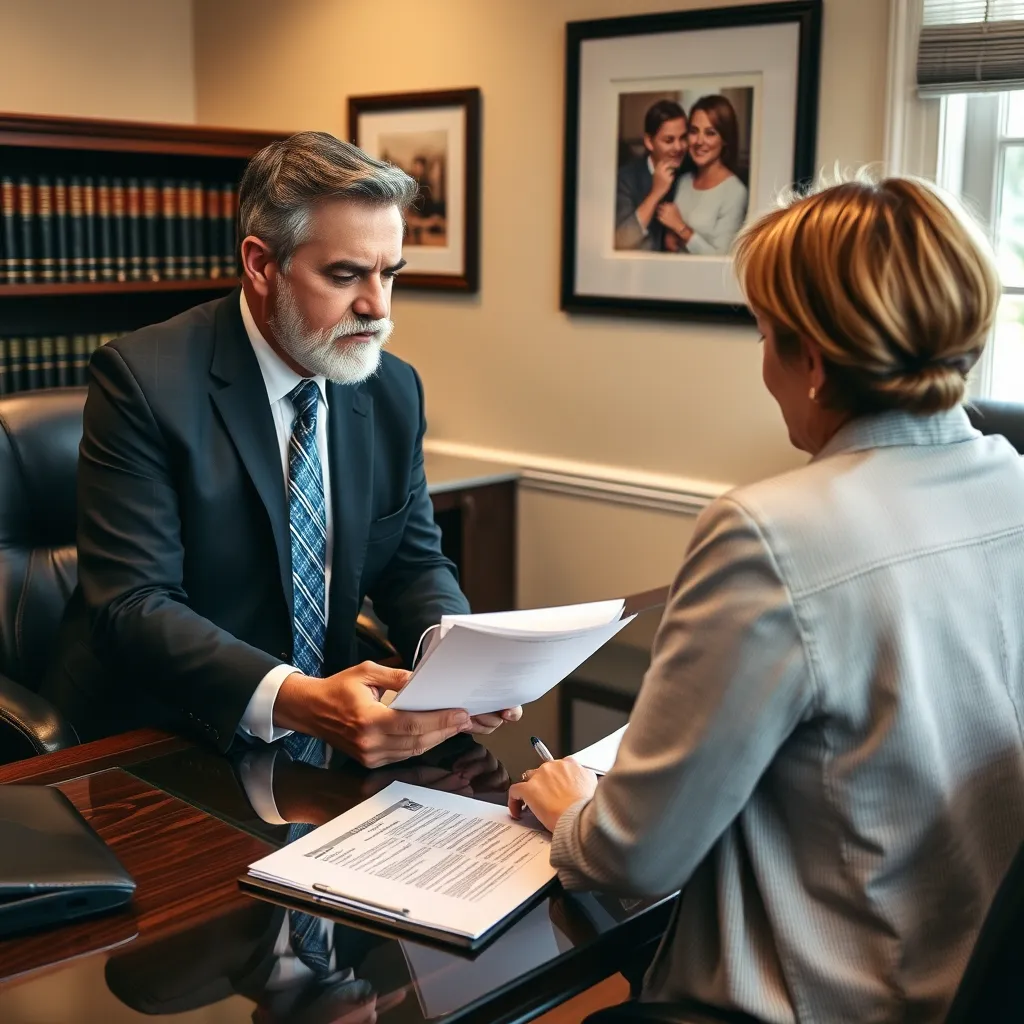
Note: This article is confirmed by Law Offices Of SRIS, P.C.
WRITTEN BY: Mr. Sris
Since 1997, Mr. Sris has led the firm, focusing on the most challenging criminal and family law cases… His background in accounting and information management aids in financial and technology-related cases… Involved in significant legislative changes in Virginia.
Insight: My focus since founding the firm in 1997 has always been directed towards personally handling the most challenging and involved criminal and family law matters our clients face.
Insight: I find my background in accounting and information management provides a unique advantage when handling the intricate financial and technological aspects inherent in many modern legal cases.
Insight: As someone deeply involved in the community, I believe it’s important to not only practice law but also to actively participate in shaping it, which is why I dedicated effort towards amending Virginia Code § 20-107.3 and achieving state recognition for cultural milestones.
rehabilitative alimony lawyer Poquoson VA
What is rehabilitative alimony
Rehabilitative alimony represents a specific type of spousal support arrangement under Virginia law. Unlike permanent alimony, this form of support has a predetermined endpoint tied to achieving specific objectives. The primary purpose is to provide financial assistance during a transitional period when one spouse needs additional education, training, or work experience to become self-sufficient.
The process begins with assessing whether rehabilitative alimony is appropriate for a particular situation. Courts consider factors such as the requesting spouse’s current employability, marketable skills, and the time needed to obtain necessary qualifications. The support amount and duration must be reasonable and directly related to the educational or training goals. Documentation of the proposed plan is essential, including details about the specific program, costs, and expected completion timeline.
Legal strategies for obtaining rehabilitative alimony involve presenting a clear, well-documented plan to the court. This includes demonstrating the need for support, outlining the educational or training objectives, and showing how the support will lead to financial independence. Proper preparation of financial documentation and attorney testimony about job market requirements can strengthen the case.
Professional insight emphasizes the importance of realistic planning. Courts expect detailed proposals showing how the support will be used effectively. The plan should include specific milestones and regular progress reports. Legal guidance helps ensure the proposed arrangement meets judicial standards and provides genuine support toward independence.
Reality Check: This support requires a concrete plan with measurable goals. Courts won’t approve vague requests for indefinite assistance.
How to obtain rehabilitative alimony in Poquoson
The process for obtaining rehabilitative alimony in Poquoson begins with a thorough assessment of your situation. You must determine if you qualify based on factors like your current employment status, marketable skills, and the time needed for additional education or training. The first step involves consulting with legal counsel to evaluate your circumstances and develop an appropriate strategy.
Next, you’ll need to create a detailed plan outlining your objectives. This should include specific educational programs or training courses, associated costs, and a realistic timeline for completion. Documentation is important – gather information about tuition, materials, living expenses during the training period, and how the support will help you achieve financial independence. Employment market research showing demand for your planned qualifications can strengthen your case.
Legal procedures involve filing appropriate motions with the court and presenting your case. Your attorney will help prepare the necessary paperwork, including financial affidavits, the rehabilitative plan, and supporting evidence. Court hearings may require testimony about your goals and how the support will facilitate your transition to self-sufficiency. The opposing party may present counterarguments, so being prepared with solid documentation is essential.
Defense considerations include anticipating potential objections and having responses ready. The court will examine whether the plan is reasonable, necessary, and likely to lead to independence. Your legal team can help address concerns about duration, amount, and the practicality of your proposed objectives. Regular progress reporting mechanisms may be incorporated into the final order.
Professional perspective highlights the need for realistic planning. Courts look favorably on well-structured proposals with clear milestones and accountability measures. Working with experienced counsel ensures your presentation meets judicial expectations and maximizes your chances of obtaining appropriate support.
Straight Talk: Courts want to see specific plans with clear endpoints, not open-ended requests for support without defined goals.
Can I modify rehabilitative alimony terms
Modification of rehabilitative alimony terms is addressed under Virginia law when substantial changes in circumstances occur. The original court order establishing the support arrangement may be adjusted if either party experiences significant financial changes, health issues, or other relevant developments. Understanding when and how modifications can occur is important for both paying and receiving parties.
The modification process typically begins with identifying a substantial change in circumstances. For the recipient, this might include unexpected medical expenses, changes in educational costs, or delays in completing training programs. For the paying spouse, job loss, reduced income, or increased financial obligations could warrant review. Documentation of these changes is essential, including financial records, medical reports, or educational progress updates.
Legal procedures for modification involve filing a motion with the court that issued the original order. The requesting party must demonstrate the substantial change and propose reasonable adjustments. The court will consider whether the changes justify modifying the amount, duration, or terms of the support. Both parties have the opportunity to present evidence and arguments regarding the proposed changes.
Strategic considerations include timing your request appropriately and gathering comprehensive documentation. If you’ve completed your educational objectives ahead of schedule, you may seek early termination of support. Conversely, if unexpected obstacles arise, you might request an extension or adjustment of terms. Your legal counsel can help determine the best approach based on your specific situation.
Professional guidance emphasizes the importance of proper procedure. Attempting to modify support without court approval can lead to legal complications. Working with experienced attorneys ensures compliance with legal requirements and increases the likelihood of obtaining appropriate adjustments when justified by changed circumstances.
Blunt Truth: Modifications require proof of real changes, not just dissatisfaction with the original agreement.
Why hire legal help for rehabilitative alimony matters
Obtaining professional legal assistance for rehabilitative alimony matters offers several important benefits. Experienced attorneys understand the specific requirements and standards courts apply to these cases. They can help develop realistic plans that meet judicial expectations while protecting your interests throughout the process. Legal guidance becomes particularly valuable when addressing the financial and procedural aspects of support arrangements.
The planning phase benefits significantly from legal experienced lawyer. Attorneys help assess whether rehabilitative alimony is appropriate for your situation and assist in developing a comprehensive plan. This includes determining reasonable support amounts, appropriate durations, and specific educational or training objectives. Legal counsel ensures your proposal includes all necessary elements courts require for approval, increasing the likelihood of success.
Documentation and presentation represent areas where legal assistance proves valuable. Attorneys know what evidence courts find persuasive and how to organize financial information effectively. They can help gather supporting documentation, prepare necessary filings, and present your case in the most favorable light. This professional approach helps address potential objections and strengthens your position during negotiations or court proceedings.
Ongoing management of rehabilitative alimony arrangements also benefits from legal support. Attorneys can help monitor compliance with court orders, address any issues that arise during the support period, and assist with modification requests if circumstances change. This continuous guidance helps ensure the arrangement functions as intended and protects your rights throughout the process.
Professional perspective highlights the value of experienced counsel in achieving favorable outcomes. Attorneys familiar with local courts understand what approaches work best in Poquoson jurisdiction. They can provide realistic assessments of what to expect and help develop strategies aligned with judicial preferences in your area.
Reality Check: Proper legal help increases your chances of getting a workable plan approved rather than facing repeated rejections or inadequate arrangements.
FAQ:
What is the main purpose of rehabilitative alimony?
This support helps a spouse gain education or training for financial independence. It has specific time limits and goals rather than providing indefinite assistance.
How long does rehabilitative alimony typically last?
Duration varies based on the educational or training program. Courts approve specific timeframes tied to completing defined objectives for becoming self-sufficient.
What factors determine eligibility for this support?
Courts consider current job skills, employment prospects, and need for additional training. The requesting spouse must show a clear plan leading to financial independence.
Can rehabilitative alimony be modified after it’s established?
Yes, if circumstances change substantially. This requires court approval and proof of significant changes affecting the original arrangement.
What happens if I complete my training early?
You may petition to terminate support early. The court will review your completion documentation and current employment situation.
What if unexpected obstacles delay my training program?
You can request an extension with proper documentation. Courts may grant additional time if you show legitimate reasons for delays.
How is the support amount determined?
Amounts consider educational costs, living expenses, and the paying spouse’s financial capacity. Courts aim for reasonable support during the transitional period.
What documentation do I need for my case?
You’ll need program details, cost estimates, financial records, and evidence of your current employment situation. Proper documentation strengthens your request.
Can rehabilitative alimony be combined with other support types?
Sometimes courts award combined support arrangements. This depends on specific circumstances and overall financial needs.
What if my former spouse refuses to pay ordered support?
Legal enforcement options exist for non-payment. Your attorney can help initiate appropriate collection procedures through the court system.
How do courts evaluate the reasonableness of my plan?
Judges examine whether the proposed training leads to realistic employment opportunities. They consider local job markets and earning potential.
What happens after the support period ends?
The obligation terminates as ordered. Both parties move forward with the receiving spouse expected to be financially independent.
Past results do not predict future outcomes.