
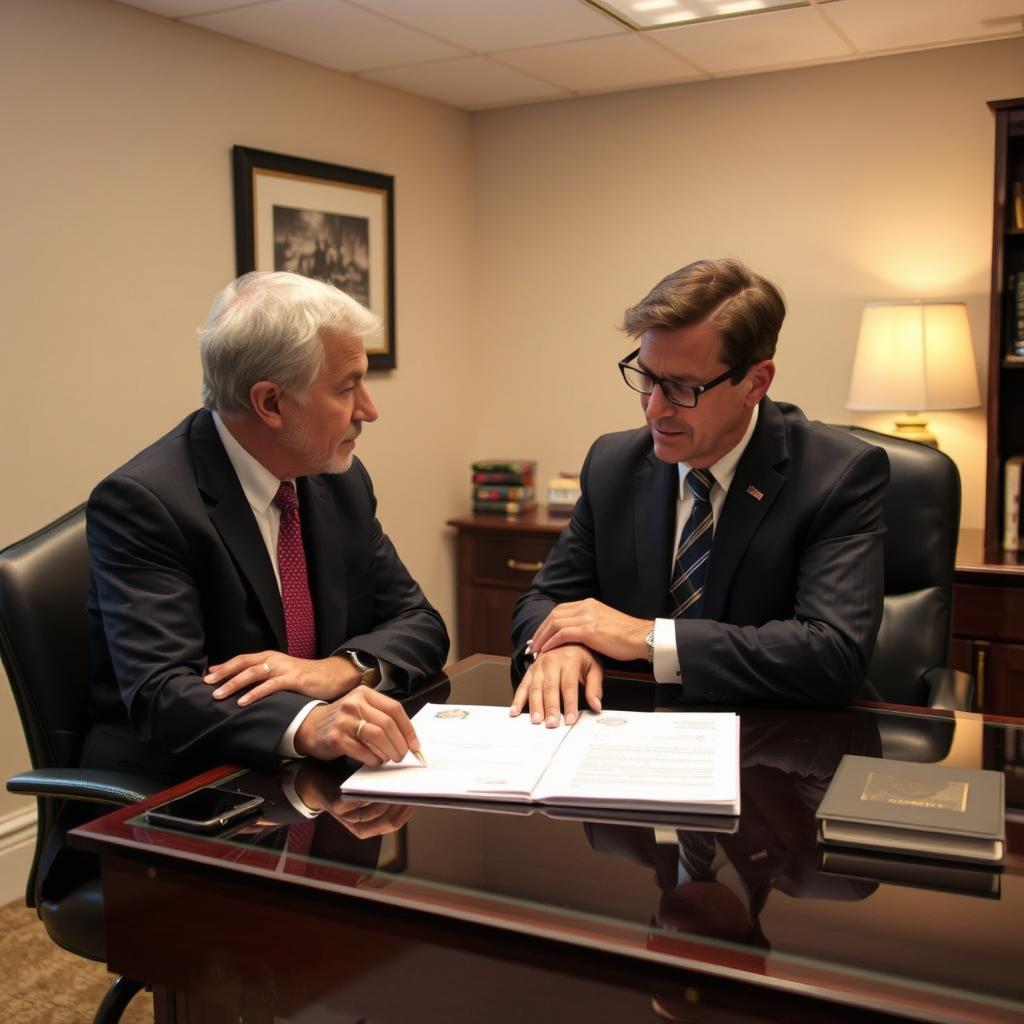
Property Settlement Lawyer Fauquier County, VA
For individuals in Fauquier County who are navigating the division of marital assets and debts as part of a divorce, the equitable distribution process can raise difficult financial questions. Whether you live in Warrenton, New Baltimore, Bealeton, Marshall, or The Plains, the outcome of your property settlement can affect your financial future for years. At Law Offices Of SRIS, P.C., Mr. Sris and his Of Counsel team represent clients in property settlement matters throughout Fauquier County, including at the Fauquier County Circuit Court at 6 Court Street. As an equitable distribution state, Virginia does not divide marital property automatically 50‑50. Instead, the court must classify and value assets according to Va. Code § 20‑107.3, and then distribute them in a manner the court finds fair under the statutory factors. Mr. Sris and his Of Counsel work to protect clients’ interests during this process—whether through negotiation of a separation agreement or through litigation in the Circuit Court. To discuss your property settlement questions, reach Law Offices Of SRIS, P.C. at (888) 437‑7747 to request a consultation. Law Offices Of SRIS, P.C. – Advocacy Without Borders.
What Property Settlement Means in Fauquier County
Property settlement in a Virginia divorce is the process by which a court—or the parties through agreement—classifies, values, and divides all assets and debts accumulated during the marriage. The Fauquier County Circuit Court, located at 6 Court Street in the historic Warrenton town center, has exclusive jurisdiction over divorce, equitable distribution, and spousal support matters. Because Virginia follows the equitable distribution model, the judge applies the eleven statutory factors under Va. Code § 20‑107.3 to reach a division that is fair, though not necessarily equal. Those factors include each spouse’s contributions to the acquisition and preservation of marital property, the length of the marriage, the circumstances that led to the dissolution, the tax consequences of a proposed division, and any other factor the court considers relevant. Separate property—property acquired before the marriage or received by gift or inheritance from a third party during the marriage—is generally excluded from division, though it may be considered in some support contexts. For many families in Fauquier County, the primary assets at issue are the marital residence, retirement accounts, investment portfolios, business interests, and vehicles. Valuation issues can become particularly complex when one spouse operates a small business or professional practice, when the couple owns real estate outside Virginia, or when substantial non‑qualified deferred compensation is involved. In such cases, forensic accountants and business valuators are often engaged to assist with the valuation component of the settlement. Mr. Sris and his Of Counsel are experienced in working with financial professionals to build a thorough evidentiary record for the court. Regardless of whether the parties ultimately reach a negotiated separation agreement or proceed to an evidentiary hearing, the property settlement process in Fauquier County requires careful attention to the procedural rules of the Twentieth Judicial District and the specific practices of the Circuit Court.
Fauquier County’s rural‑exurban character and its mix of historic farms, newer subdivisions, and commuter households mean that property portfolios vary greatly. Some residents hold inherited land or family businesses that have been in the family for generations, while others have stock options, professional‑practice goodwill, or complex compensation structures from employment in Northern Virginia or the District of Columbia. Mr. Sris and his Of Counsel regularly address these types of assets in property settlement cases. The firm’s extensive familiarity with the Fauquier County court system, including the procedural requirements for filing a Complaint for Divorce and for scheduling a pendente‑lite hearing when temporary relief is needed, helps clients move through the process efficiently. While Virginia does not mandate mediation before trial, the parties may voluntarily participate in mediation to resolve property issues outside court, a route that can save time and reduce litigation expense.
How Mr. Sris and His Of Counsel Handle Property Settlement Cases
When a client in Fauquier County engages Mr. Sris and his Of Counsel for a property settlement matter, the team begins with a comprehensive inventory of all assets and liabilities—both marital and separate. This phase often involves reviewing tax returns, bank statements, brokerage account records, deeds, and business‑formation documents. If retirement benefits are at issue, a qualified domestic relations order may be required to divide retirement accounts without triggering early‑withdrawal penalties. Mr. Sris and his Of Counsel work with certified valuation attorneys who can determine the marital and separate portions of a pension or 401(k) plan, applying the coverture fraction or other appropriate methodology under Virginia law. For cases involving a closely held business or a professional practice, the team may retain a forensic accountant to calculate the enterprise’s value and to assess whether any portion of the increase in value during the marriage constitutes marital property subject to division. In negotiations, the attorneys explore whether the parties can reach a property settlement agreement—often called a separation agreement—that resolves all asset and debt issues without trial. A valid separation agreement signed by both parties can be incorporated into the final divorce decree, making it enforceable by the court. When an agreement cannot be reached, Mr. Sris and his Of Counsel prepare the case for a final hearing before the Fauquier County Circuit Court. This involves presenting the valuation evidence, calling expert witnesses, and arguing the application of the statutory factors to the specific financial facts of the marriage. The firm’s approach is to present the court with a clear, well‑documented picture of the marital estate and to advocate for a division that reflects each party’s contributions and future needs. Throughout the process, clients are kept informed of developments, and strategic decisions are made collaboratively.
About Mr. Sris and His Of Counsel Team
Mr. Sris, Owner and Founder of Law Offices Of SRIS, P.C., has been practicing law since 1997. A former prosecutor, he brings a disciplined, evidence‑focused approach to every family law matter, including the division of marital property. Mr. Sris is admitted to practice in Virginia, Maryland, the District of Columbia, New Jersey, and New York, and he has testified before the Virginia House Courts of Justice Committee in support of 2019 HB 635 (chief patron Del. David Bulova), which revised the equitable distribution statute. His thorough understanding of the statutory framework benefits clients who are navigating complex property divisions. Mr. Sris and his Of Counsel team consist of experienced, multi‑state attorneys who concentrate their practice in family law and related areas. Collectively, they have handled property settlement cases involving a wide range of assets—from residential real estate and retirement accounts to business interests and professional practices. The team includes professionals who are fluent in English, Spanish, and Tamil, enabling them to serve the diverse communities of Fauquier County and Northern Virginia. Because every property settlement case is unique, Mr. Sris and his Of Counsel take the time to understand the client’s financial circumstances, long‑term goals, and concerns, and they tailor their strategy accordingly. The firm’s Fairfax location represents clients in Fauquier County courts; clients may schedule an appointment at that location or speak with a member of the team by phone.
Frequently Asked Questions
What is property settlement in a Virginia divorce?
Property settlement is the court‑supervised or negotiated process of classifying, valuing, and dividing marital assets and debts when a marriage ends. Virginia is an equitable distribution state, meaning the court divides property in a way that is fair under the statutory factors, not necessarily equally. The process applies only to marital property—assets and debts acquired during the marriage that are not gifts or inheritances. Separate property remains with the owning spouse. The Fauquier County Circuit Court handles all property division in divorce cases. The goal is to achieve a final resolution that allows both parties to move forward with clear financial footing.
How does the court divide property in Fauquier County?
The Fauquier County Circuit Court applies the eleven factors listed in Va. Code § 20‑107.3 to determine a fair division of marital property. The judge considers each spouse’s monetary and non‑monetary contributions to the family, the length of the marriage, the tax consequences of a proposed distribution, the liquid or non‑liquid nature of the property, and any other factor the court finds relevant. The court does not automatically split assets 50‑50; instead, it weighs the evidence to reach an equitable result. When the parties have signed a property settlement agreement, the court typically approves it unless the agreement is unconscionable.
What factors does the court consider in equitable distribution?
Virginia law requires the court to evaluate multiple statutory factors, including the contributions of each party to the well‑being of the family, the duration of the marriage, the ages and health of the parties, and the circumstances that contributed to the divorce. Other factors include the manner in which marital property was acquired, the debts and liabilities of each spouse, and the tax consequences of the division. No single factor controls; the judge weighs all relevant evidence when crafting an equitable award. A thorough understanding of these factors—and how to present evidence on each one—is essential to a fair outcome.
Do I need a lawyer for property settlement in Fauquier County?
You are not legally required to have an attorney, but property settlement involves significant financial stakes, and an experienced lawyer can help protect your interests. The classification and valuation of assets—especially pensions, business interests, or real estate—can be legally complex. An attorney can identify hidden assets, evaluate settlement offers, and present your case effectively to the court. Mr. Sris and his Of Counsel work with clients to develop a strategy tailored to their financial circumstances, whether the matter is resolved through negotiation or litigation.
How long does property settlement take?
The timeline for property settlement varies depending on the complexity of the marital estate, the willingness of the parties to agree, and the Fauquier County Circuit Court’s calendar. An uncontested case with a complete separation agreement may finalize relatively quickly, while a contested case involving business valuations and expert testimony can take considerable time. Mediation or direct negotiation can shorten the process, but every case is different. Mr. Sris and his Of Counsel keep clients informed of realistic timelines based on the specific facts and the court’s schedule.
Can we reach a property settlement agreement without going to court?
Yes, many property settlement matters are resolved through a written separation agreement that is approved by the Fauquier County Circuit Court without a trial. The parties—often with the help of their attorneys—negotiate the division of assets and debts, and the signed agreement is submitted to the court. Once the judge finds the agreement fair and the divorce meets all statutory requirements, the agreement becomes part of the final divorce decree. This approach can reduce conflict, save time, and give the parties more control over the outcome.
More Resources:
Family Law Matters in Neighboring Counties:
Family Law Attorney Fairfax County |
Prince William County Family Lawyer |
Loudoun County Divorce Attorney |
Stafford County Property Division Lawyer
Virginia Primary Sources:
Virginia Code § 20‑107.3 – Equitable Distribution |
Fauquier County Circuit Court |
Virginia Judicial System
Reviewed by Mr. Sris, Owner and Founder. Admitted in Virginia, Maryland, District of Columbia, New Jersey, and New York. Practicing since 1997.
Attorney advertising. Prior results do not guarantee a similar outcome. Case results depend on a variety of factors unique to each case. Results may vary.