
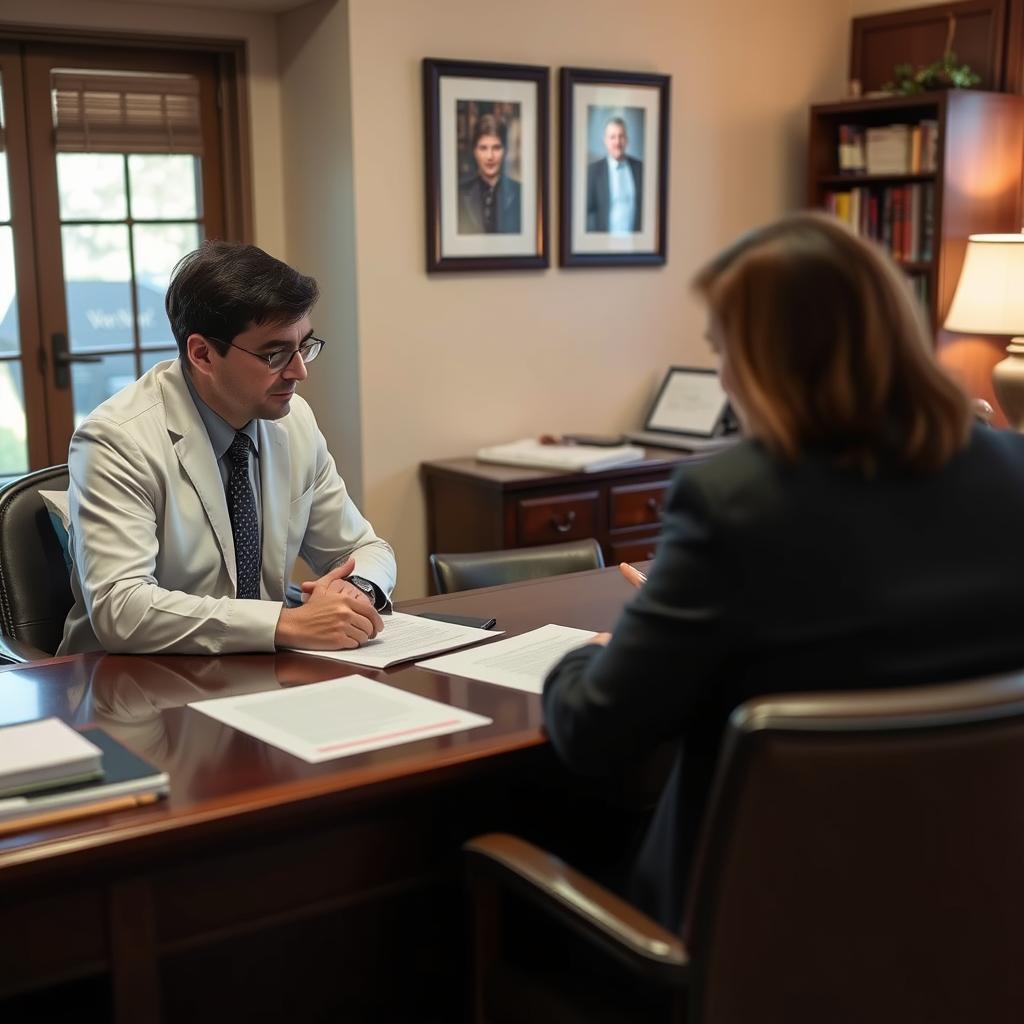
Property Division Lawyer Fluvanna County, VA
For individuals navigating divorce or separation in Fluvanna County, Virginia, the division of marital property is often the most consequential— and most contested— part of the case. Virginia is not a community-property state; instead, courts apply equitable distribution under Va. Code § 20‑107.3, dividing assets and debts based on what is fair, not necessarily equal. Whether you own a family home in Lake Monticello, a farming operation near Fork Union, retirement accounts, or a business in Palmyra, the classification and valuation of those assets can shape your financial future. Mr. Sris and his Of Counsel have handled property division matters across Virginia for decades, helping clients protect what they have built. To discuss your specific situation, reach Law Offices Of SRIS, P.C. at (888) 437‑7747. Law Offices Of SRIS, P.C. – Advocacy Without Borders.
What Property Division Means in Fluvanna County, Virginia
Property division in a Fluvanna County divorce follows the same statutory framework that governs all Virginia equitable distribution cases. The Fluvanna County Circuit Court— located at 72 Main Street, Suite B in Palmyra— has exclusive jurisdiction over divorce and the division of marital property. Matters involving child custody, visitation, and support that arise alongside property issues are addressed in the Fluvanna County Juvenile and Domestic Relations District Court, but the final decree dividing assets must come from the Circuit Court.
Virginia law first classifies property as either marital, separate, or hybrid. Marital property generally includes everything acquired during the marriage other than gifts or inheritances received by one spouse alone. Separate property— assets owned before the marriage or received by gift or inheritance during the marriage— is typically not divided. However, if separate property has been commingled with marital funds or has increased in value due to the efforts of either spouse, the court may reclassify it. Once classification is complete, the court values each asset and then distributes it equitably under the eleven factors listed in Va. Code § 20‑107.3. Because equitable distribution is discretionary and fact‑intensive, having experienced counsel who understands how Fluvanna County judges typically approach valuation disputes, business interests, and retirement accounts can make a meaningful difference.
The firm’s Shenandoah location serves clients throughout Fluvanna County, including Palmyra, Fork Union, and the Lake Monticello area. You can schedule an appointment at (888) 437‑7747.
How Mr. Sris and His Of Counsel Handle Property Division Cases
Property division cases often turn on the thorough identification of assets and the persuasive presentation of valuation evidence. Mr. Sris and his Of Counsel start by working with clients to inventory all marital property— real estate, vehicles, bank and investment accounts, retirement funds, business interests, personal property, and debts. When necessary, they collaborate with forensic accountants and business valuation professionals to trace the origin of funds, determine the value of closely held businesses, and calculate the marital share of retirement accounts or professional practices.
Once the financial picture is complete, the team negotiates a property settlement agreement when possible. Mediation is available in Virginia and is often a productive way to resolve disputes without the cost and stress of a trial. If settlement efforts are unsuccessful, Mr. Sris and his Of Counsel are prepared to try the case before the Fluvanna County Circuit Court. They will present detailed financial analyses, call expert witnesses, and advocate for a distribution that reflects the statutory factors. Throughout the process, clients receive direct communication about their options and the practical consequences of each decision.
About Mr. Sris and His Of Counsel Team
Mr. Sris, Owner and Founder of Law Offices Of SRIS, P.C., has practiced law since 1997 and is admitted in Virginia, Maryland, the District of Columbia, New Jersey, and New York. A former prosecutor, he brings a trial‑tested perspective to family law disputes. Mr. Sris testified before the Virginia House Courts of Justice Committee in support of 2019 HB 635 (chief patron Del. David Bulova), which revised the equitable distribution statute’s subsection governing retirement‑plan division. That firsthand experience with the legislative process gives him a thorough understanding of how the statutory factors operate in practice.
Mr. Sris works alongside Of Counsel who bring extensive combined legal experience. The firm’s structure allows clients to receive the focused attention of a tight‑knit team while drawing on a breadth of practice experience. To discuss your property division matter, contact Mr. Sris and his Of Counsel at (888) 437‑7747.
Frequently Asked Questions
Is Virginia a community property state?
No, Virginia is an equitable distribution state. Unlike community property jurisdictions where marital assets are split 50/50, Virginia courts divide property according to what is fair after considering the eleven factors listed in Va. Code § 20‑107.3. This means the division may not be equal, and the outcome depends heavily on the specific facts of the case.
What factors does a Fluvanna County judge consider when dividing property?
The judge evaluates the statutory factors set out in Va. Code § 20‑107.3. These include each spouse’s contributions to the marriage and to the acquisition of assets, the duration of the marriage, the ages and health of the parties, the circumstances that led to the divorce, and tax consequences. The court may also consider how and when property was acquired, the liquid or non‑liquid nature of the assets, and any other factor the court deems relevant. Because the list of factors is broad and discretionary, presenting a well‑documented financial narrative is essential.
Do I need a lawyer for a property division case in Fluvanna County?
While you are not legally required to have a lawyer, property division involves complex classification and valuation issues that can have long‑term financial consequences. An attorney can help identify hidden assets, properly classify commingled property, and present valuation evidence in a way that the court is likely to credit. Without counsel, you risk an equitable distribution that does not fully account for your contributions or the true value of marital assets.
How are retirement accounts and pensions divided in a Virginia divorce?
Retirement accounts and pensions are marital property to the extent they were earned during the marriage. The court can award a percentage of the marital share to each spouse. For qualified plans, a qualified domestic relations order (QDRO) is typically required to divide the account without triggering early withdrawal penalties. Mr. Sris’s legislative testimony on the 2019 revision to Va. Code § 20‑107.3(g) gives him particular insight into the procedural requirements surrounding retirement‑plan division.
Can we settle property division out of court?
Yes, most property division cases are resolved through negotiation or mediation rather than trial. A property settlement agreement signed by both parties can resolve all issues— including asset division, spousal support, and even custody— without the need for a contested hearing. A well‑crafted agreement allows you and your spouse to retain control over the outcome rather than leaving it to a judge’s discretion.
For guidance on your specific situation, reach Law Offices Of SRIS, P.C. at (888) 437‑7747.
Related family law pages:
Family Law in Fairfax County |
Family Law in Fairfax City |
Family Law in Falls Church |
Family Law in Prince William County |
Family Law in Manassas
Virginia primary sources:
Va. Code § 20‑107.3 (equitable distribution) |
Fluvanna County Circuit Court
Attorney advertising. Prior results do not guarantee a similar outcome. Results may vary.
Case results depend on a variety of factors unique to each case.