
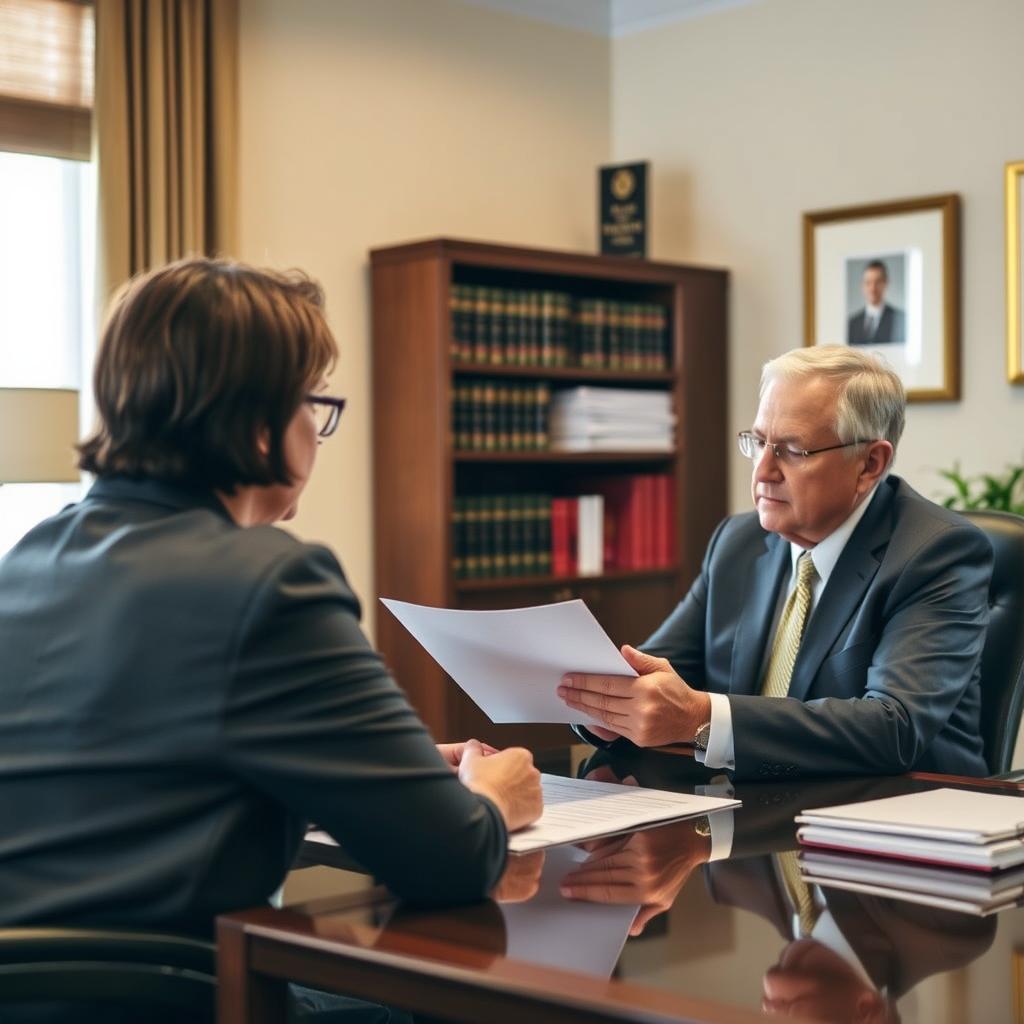
Permanent Alimony Lawyer Louisa County, VA
When Virginia courts award spousal support intended to last without a predetermined end date, it is often called “permanent alimony.” Legally, the correct term is indefinite spousal support—financial assistance ordered to continue until a future event, such as remarriage, the death of either party, or a court-ordered modification. For residents of Louisa County, the court that handles divorce and equitable distribution, including petitions for indefinite support, is the Louisa County Circuit Court. Mr. Sris, Owner and Founder of Law Offices Of SRIS, P.C., and his Of Counsel team represent clients in these financially significant proceedings. Our firm’s Richmond location serves Louisa County families, providing experienced guidance on whether indefinite support may apply—and how to present a position the court will consider. For a confidential consultation, reach our firm at (888) 437-7747. Law Offices Of SRIS, P.C. – Advocacy Without Borders.
Understanding Indefinite Spousal Support in Virginia
Virginia law does not use the phrase “permanent alimony.” Instead, Va. Code § 20-107.1 governs spousal support and allows a court to order payments for a defined period—rehabilitative support—or for an indefinite duration. Indefinite support is reserved for circumstances where a spouse cannot reasonably be expected to become self-supporting, often because of age, health, the length of the marriage, or the standard of living established during the union. The court weighs thirteen statutory factors to decide the amount, duration, and nature of the award.
In Louisa County, the Circuit Court located at 100 West Main Street, Louisa, Virginia hears spousal support requests as part of a divorce action, along with equitable distribution of marital property. If an existing support order needs enforcement or modification, the Louisa County Juvenile and Domestic Relations District Court may also have jurisdiction. Because indefinite support can significantly alter a party’s financial future, both the paying spouse and the recipient need counsel who understands how Louisa County judges apply the statutory factors under Va. Code § 20-107.1. Mr. Sris and his Of Counsel team analyze the financial picture, the marriage history, and the realistic employment prospects of each party to present a well-supported argument for or against an indefinite award.
Frequently Asked Questions
What does permanent alimony mean in Virginia?
“Permanent alimony” in Virginia is spousal support awarded for an indefinite duration, without a fixed end date. The legal term is indefinite spousal support under Va. Code § 20-107.1. It typically continues until the recipient remarries, either party dies, or a court modifies the order upon a material change in circumstances. The court reserves indefinite awards for longer marriages where one spouse cannot become self-supporting due to age, disability, or other significant factors. It is not automatic; the party requesting it must present evidence justifying unlimited support.
How is indefinite spousal support different from temporary or rehabilitative support?
Temporary support helps a spouse during the divorce process, while rehabilitative support provides funds for a set time so the recipient can gain education or job skills. Indefinite support, by contrast, has no built‑in termination date outside of remarriage, death, or a later court order. Virginia courts usually prefer rehabilitative alimony when feasible and reserve indefinite awards for situations where self‑sufficiency is unlikely. The Louisa County Circuit Court will examine the same 13 statutory factors for any type of support.
What factors does a Louisa County judge consider when deciding spousal support?
Virginia judges apply the 13 factors listed in Va. Code § 20-107.1, including the length of the marriage, the age and health of each spouse, the standard of living during the marriage, and each spouse’s earning capacity. Other factors consider contributions to the family, equitable distribution of property, and the time a spouse needs to obtain training. In Louisa County, the court also looks at the financial resources available to each party after the divorce and whether a spouse’s absence from the workforce affected career prospects. The weight given to each factor varies case by case.
Can permanent alimony be modified or terminated in Virginia?
Yes, indefinite spousal support can be modified if the party seeking the change shows a material change in circumstances since the last order. Common reasons include a substantial increase or decrease in either party’s income, the recipient’s remarriage, cohabitation resembling marriage, or retirement. The party requesting the modification files a motion, and the Louisa County Juvenile and Domestic Relations District Court or Circuit Court re‑examines the financial facts. The original award’s terms and the statutory factors guide the decision. Both the paying and receiving spouse may seek a modification.
Does Virginia allow a spouse to receive both rehabilitative and indefinite support?
A judge may structure a spousal support award that starts as rehabilitative and later converts to indefinite support, though such hybrid awards are uncommon. More frequently, the court reserves the right to revisit spousal support at the end of a defined period, leaving the door open for an indefinite extension if circumstances warrant. The specific wording of the final decree controls. The Louisa County Circuit Court has the authority to craft support that fits the marriage’s unique circumstances while meeting the requirements of Va. Code § 20-107.1.
What happens if spousal support is not paid in Louisa County?
If a court‑ordered support payment is missed, the receiving spouse can ask the Louisa County Juvenile and Domestic Relations District Court to enforce the order through a show cause or contempt proceeding. The court may order the delinquent spouse to pay arrearages, legal fees, and interest. Continued non‑payment can lead to wage garnishment, license suspension, or even jail time for contempt. An experienced attorney can help the recipient pursue enforcement or defend against allegations of willful non‑payment when circumstances made compliance impossible.
Do I need a lawyer to handle an indefinite spousal support case in Louisa County?
You are not required to have legal representation, but the financial stakes and the complexity of Virginia’s spousal‑support statutes make experienced counsel advisable. A lawyer familiar with the Louisa County courts can gather financial evidence, retain vocational or medical experts when needed, and present the statutory factors persuasively. Because indefinite support can last decades, the long‑term financial impact is significant. Mr. Sris and his Of Counsel team can review your situation and explain your rights and possible outcomes. To discuss your matter, reach our firm at (888) 437-7747.
How long does it take to get a spousal support order in Louisa County?
The timeline varies by case, the court’s calendar, and whether the support request is part of a contested or uncontested divorce. A pendente lite (temporary) support order can often be obtained soon after the divorce is filed; a final indefinite support determination usually coincides with the final divorce decree. The Louisa County Circuit Court schedules hearings based on docket availability, and the process may take several months in a contested case. Mr. Sris and his Of Counsel work to move matters forward as efficiently as possible while protecting their clients’ interests.
Is spousal support tax‑deductible or considered income?
For divorce or separation agreements executed after December 31, 2018, spousal support payments are not deductible by the payer and not included in the recipient’s gross income under federal tax law. Virginia courts will consider the tax consequences of a support award as one of the 13 statutory factors, so the parties’ after‑tax positions still matter. In an ongoing dispute, it is important to discuss tax treatment with a tax professional alongside your family law attorney. The Louisa County court can factor tax implications into the overall support calculation.
Resources: Virginia Code Title 20 (Domestic Relations) | Virginia Judicial System
About Mr. Sris and His Of Counsel Team
Mr. Sris, Owner and Founder of Law Offices Of SRIS, P.C., is a former prosecutor who has practiced since 1997. He is admitted in Virginia, Maryland, the District of Columbia, New Jersey, and New York. Mr. Sris testified before the Virginia House Courts of Justice Committee in support of 2019 HB 635 (chief patron Del. David Bulova). Together with his Of Counsel, Mr. Sris brings extensive combined legal experience to spousal support matters in Louisa County. Results may vary. The firm’s Richmond location serves families from Louisa County and the surrounding region, handling everything from initial support petitions to modifications and enforcement. For a confidential consultation, call (888) 437-7747.
Attorney advertising. Prior results do not guarantee a similar outcome. Results may vary.
Case results depend on a variety of factors unique to each case.