
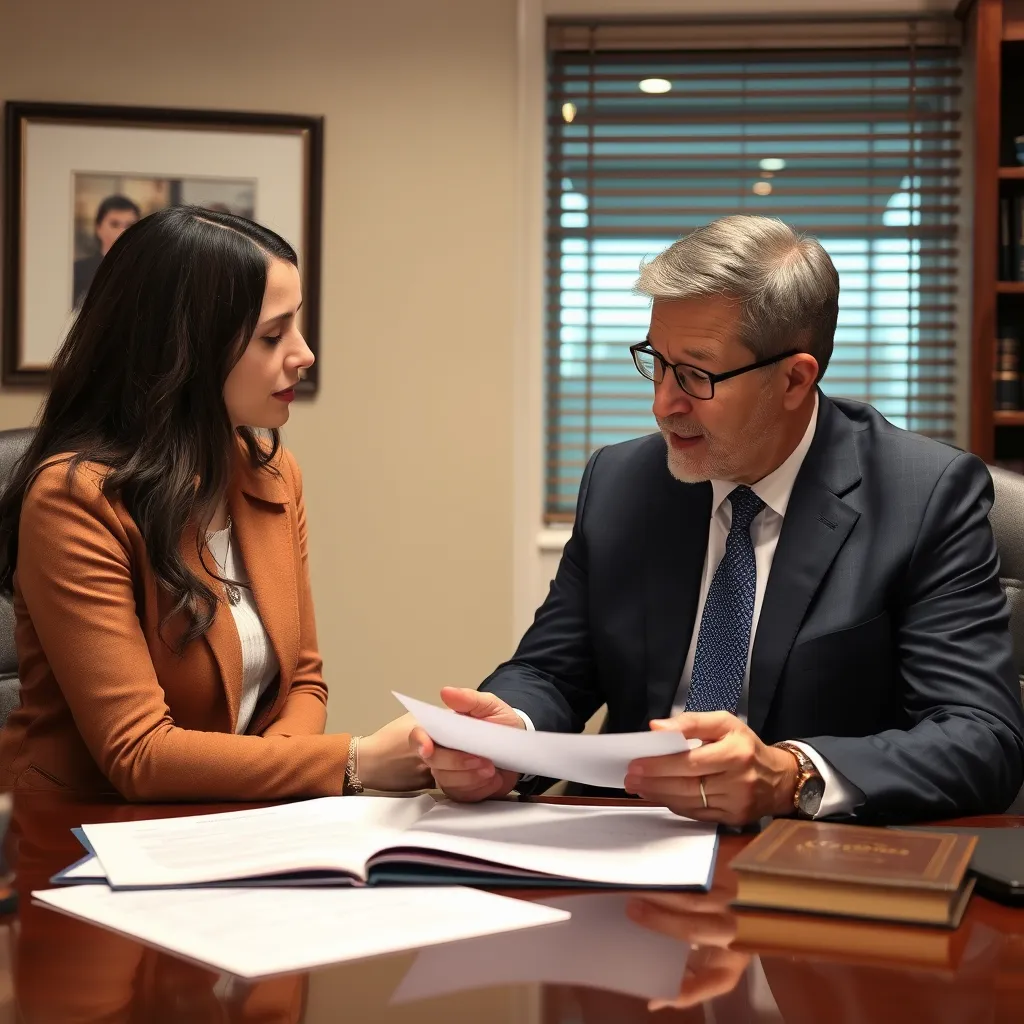
Interstate Custody Lawyer in Manassas, VA
When child custody disputes cross state lines, India is not a signatory to the 1980 Hague Convention on Civil Aspects of International Child Abduction. The legal complexity increases exponentially. What might seem like a simple disagreement over visitation or residency quickly transforms into an intricate legal battle involving multiple jurisdictions, differing state laws, and complex interstate travel logistics. If you are facing a dispute regarding where your child should live—especially if the parents reside in different states—you need more than just a local attorney; you need an experienced Interstate Custody Lawyer in Manassas, VA who understands the nuances of interstate law.
The laws governing custody are designed to ensure the child’s best interests are protected, but determining which state has the primary authority (jurisdiction) is often the first and most difficult hurdle. Our firm has extensive experience navigating these complex jurisdictional issues, helping families in Manassas, VA, and surrounding areas like Prince William County and Stafford County secure stable, enforceable custody agreements regardless of where the other parent resides. We focus on providing strategic legal counsel that addresses both the immediate needs of the child and the long-term stability of the family unit.
Understanding Jurisdiction in Interstate Custody Disputes
The core challenge in any interstate custody dispute is determining which state’s laws apply. You cannot simply file a case where you are located; you must prove that the court in that location has the legal authority to make binding decisions. This concept is known as “jurisdiction.”
The Role of the UCCJEA
Most states, including Virginia, adhere to the Uniform Child Custody Jurisdiction and Enforcement Act (UCCJEA). The UCCJEA is a critical piece of federal law that helps streamline these conflicts. Generally, the state where the child has lived for the most recent period of time is considered the “home state” and usually holds initial jurisdiction. However, this is not automatic. Factors such as the length of time the child resided in that state, the stability of the environment, and the parents’ intent all play a role.
If the other parent attempts to move the child or file motions in a different state, the UCCJEA provides a framework for temporary orders and enforcement. Our attorneys are experienced at filing motions to establish jurisdiction and ensuring that any court order issued is enforceable across state lines. Failure to properly establish jurisdiction can lead to costly delays and unfavorable outcomes.
Common Issues in Interstate Custody Cases
Interstate custody disputes are rarely simple. They often involve a combination of issues, including visitation schedules, financial support, and parental rights. Understanding the specific type of dispute you face is crucial for developing a strategy.
Visitation Rights and Travel
When parents live in different states, establishing a predictable visitation schedule requires meticulous planning. The court must issue detailed orders that account for travel time, airfare, and the logistics of crossing state lines. We work to establish clear, enforceable visitation schedules that minimize disruption to the child’s life while maintaining parental rights.
Parental Alienation Claims
Another common, yet highly contentious, issue is parental alienation. This occurs when one parent attempts to undermine the relationship between the child and the other parent. If a parent suspects alienation or believes their rights are being compromised by the opposing party’s actions across state lines, immediate legal intervention is necessary. Our team can help gather evidence and present a cohesive case to the court.
Why Choose an Interstate Custody Lawyer in Manassas, VA?
While custody disputes are inherently complex and often involve multiple states, local knowledge remains paramount. Practicing in Manassas, VA, means we are intimately familiar with the specific court procedures, local judges, and legal customs of Prince William County and surrounding jurisdictions. We combine this deep local understanding with our broad experience in multi-state law to give you a comprehensive defense.
We understand that when you are dealing with custody, your primary concern is the child’s emotional well-being and stability. Our approach is always centered on collaborative resolution, but we are prepared to litigate actively and strategically when necessary to protect your rights. We guide our clients through every step, from initial consultation to final court order.
How Mr. Sris and the Firm’s Of Counsel Attorneys Handle Interstate Custody Cases in Manassas
Handling interstate custody cases requires a highly specialized blend of local knowledge and multi-state legal experience. Our process begins with a thorough investigation into the specific jurisdiction at issue. We do not assume jurisdiction; we build a case for it, meticulously gathering evidence regarding where the child has resided and which state’s laws are most appropriate to guide the court’s decision. This initial phase often involves reviewing records from multiple states and understanding the nuances of the UCCJEA as it applies to Virginia residency.
Once jurisdiction is established or contested, our team develops a comprehensive strategy that addresses all facets of the dispute—including visitation, financial support, and parental rights. The firm’s Of Counsel attorneys, who are highly practices in family law across various jurisdictions, work alongside Mr. Sris to provide a unified defense. We prioritize communication and negotiation whenever possible, aiming for court-approved parenting plans that are both legally sound and emotionally sustainable for the child. Whether the dispute involves travel between Virginia and Maryland, or across state lines to DC or New York, our firm is equipped to manage the complexity and advocate fiercely for your best interests.
About Mr. Sris and the Firm’s Of Counsel Attorneys
Law Offices Of SRIS, P.C. was founded on the principle of providing authoritative, diligent representation in complex family law matters. Mr. Sris, Owner and Founder, brings decades of experience to every case. As a former prosecutor, he possesses a unique understanding of criminal law procedures that often intersect with family disputes, giving our clients a comprehensive perspective on their legal standing. He is admitted in Virginia, Maryland, the District of Columbia, New Jersey, and New York, allowing him to advise clients effectively across his five-jurisdiction practice.
The strength of our firm lies in our collective experience. The firm’s Of Counsel attorneys are independent attorney who bring thorough knowledge from various legal fields and multiple state bar associations. We maintain a collaborative structure, ensuring that every client benefits from a diverse pool of high-level legal talent. This team approach allows us to tackle highly complex issues, such as interstate custody, with precision and authority. We are committed to guiding our clients through the emotional and legal turmoil of these disputes while maintaining the highest standard of care.
Developing a Comprehensive Legal Strategy
A successful outcome in an interstate custody case hinges entirely on the quality of the legal strategy. It is not enough to simply file motions; you must anticipate the opposing counsel’s moves and prepare counterarguments that are backed by law, evidence, and sound judicial precedent. Our attorneys analyze every piece of documentation—from school records to communication logs—to build a narrative centered on the child’s best interests.
We guide clients through the entire process, which includes mediation, formal discovery, and, if necessary, trial. For those who are considering alternative dispute resolution, we facilitate mediation sessions with neutral third parties, aiming to reach a mutually acceptable agreement that can be formalized into a court order. This collaborative approach saves time, money, and emotional stress while still achieving the same legal protection.
The Importance of Documentation
In custody disputes, documentation is your most powerful tool. Every communication, every change in routine, and every instance of disagreement must be recorded. We advise clients on how to maintain a detailed log of events, which can prove patterns of behavior or demonstrate the stability of the child’s current environment. Proper record-keeping is crucial for establishing credibility with the court.
Serving Manassas and Surrounding Jurisdictions
While our practice is interstate, we are deeply rooted in serving the communities of Northern Virginia. We are a trusted resource for families across the region. Whether you are located in Manassas, or if your dispute involves travel through neighboring areas like Prince William County, Stafford County, or even Gainesville, our commitment to protecting family rights remains constant. Our local presence ensures that we are always accessible and deeply connected to the judicial process in this area.
Frequently Asked Questions About Interstate Custody
What is the UCCJEA?
The Uniform Child Custody Jurisdiction and Enforcement Act (UCCJEA) is a key law that helps determine which state has the legal authority, or “jurisdiction,” to make binding custody decisions. It prevents conflicting orders from different states and generally favors the state where the child has lived for the most recent period.
Does interstate custody always require a court order?
While a court order is the strongest form of protection, sometimes temporary agreements or mediated parenting plans can suffice. However, because laws differ state by state, we strongly recommend obtaining a formal, written court order to ensure that your rights are legally enforceable across all relevant jurisdictions.
How long does an interstate custody case typically take?
The timeline varies greatly depending on the level of conflict, the number of jurisdictions involved, and the court calendar. Generally, initial hearings can take several months, but complex cases involving multiple states may require a year or more to reach a final resolution.
Can I file for custody in my state even if the child lives elsewhere?
It is possible, but it is highly risky without proper legal guidance. Filing prematurely or in the wrong jurisdiction can result in a temporary order that is not enforceable where the child actually resides. An experienced local attorney will advise you on the correct jurisdictional filing strategy.
What if the other parent refuses to cooperate?
If the opposing party is uncooperative, our legal team can utilize discovery tools and motions to compel compliance. We are prepared to handle non-compliance issues, including filing motions for contempt or seeking temporary orders that mandate cooperation.
Are there differences between physical and legal custody?
Yes. Legal custody refers to the right to make major decisions about the child’s upbringing (education, religion, etc.). Physical custody refers to where the child lives day-to-day. Both types of orders are typically addressed in a comprehensive parenting plan.
Can I get legal advice without hiring your firm?
While many resources offer general information, custody law is highly fact-specific and jurisdiction-dependent. General advice may be misleading or incomplete. We recommend an initial consultation to review your specific facts and determine an appropriate $1 of action.
Protecting Your Family’s Stability Across State Lines
Interstate custody disputes are emotionally draining, legally complex, and often feel overwhelming. The law offices of Law Offices Of SRIS, P.C. is dedicated to providing the clarity, strategy, and advocacy you need during this difficult time. We combine our deep local knowledge in Manassas, VA, with our broad experience in multi-state family law to build a robust defense centered on your child’s best interests.
Do not navigate the complexities of interstate jurisdiction alone. If you are questioning where your child should live, or if you need help establishing enforceable visitation rights across state lines, please reach out to our experienced team. We offer confidential consultations and are ready to discuss your particular situation with the discretion and professionalism it deserves.
Call (888) 437-7747 today to schedule a consultation with an Interstate Custody Lawyer in Manassas, VA. By appointment only. We are here to help you reach a stable and legally secure outcome.
Disclaimer: The information provided on this website is for informational purposes only and does not constitute legal advice. Every custody dispute is unique, and laws vary significantly by state and county. You should consult with a qualified attorney licensed in your jurisdiction regarding your specific legal situation. Do not rely on the content of this page for legal counsel.
Other Practice Areas We Handle:
Case results depend on a variety of factors unique to each case.
Attorney advertising. Prior results do not guarantee a similar outcome.