
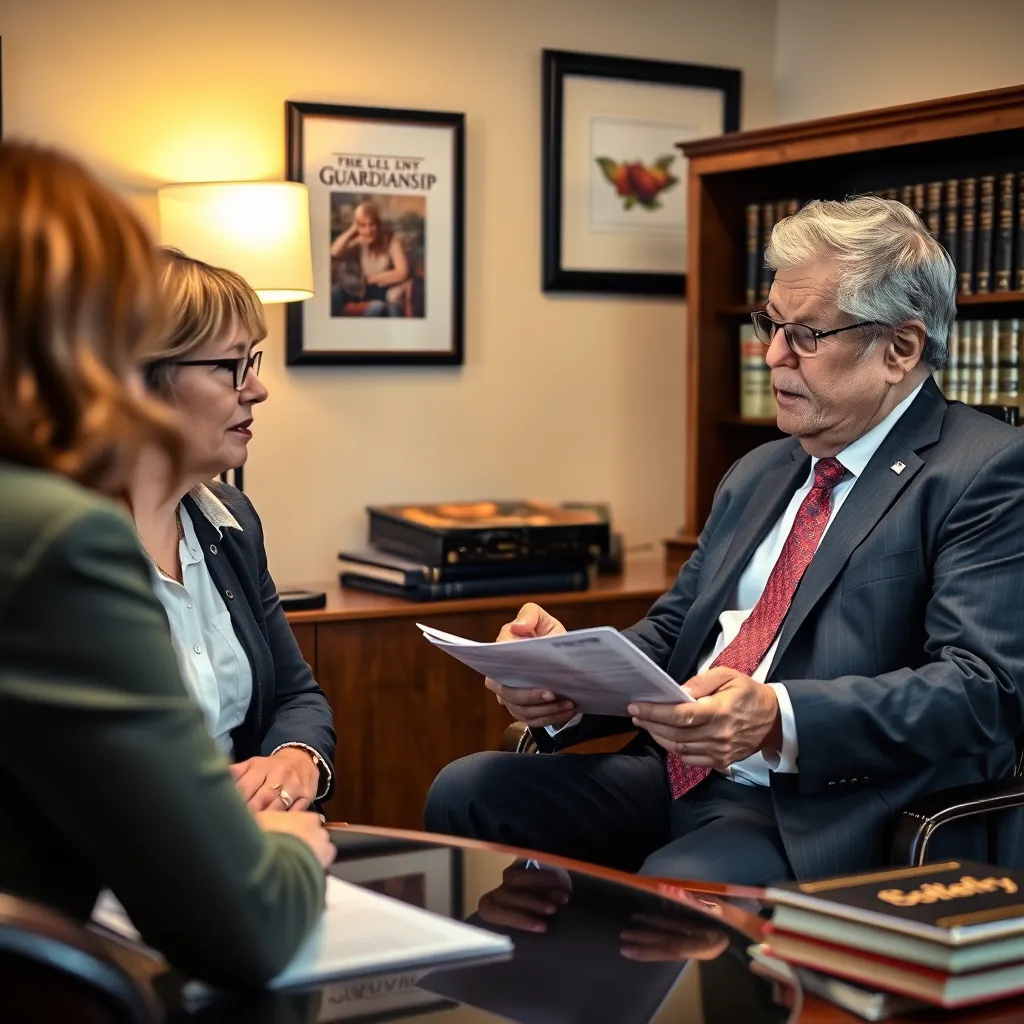
Guardianship Lawyer Fairfax, VA
Protecting Loved Ones in Fairfax County
Navigating the legal complexities of guardianship—whether for an incapacitated adult or a minor child—is one of the most emotionally challenging tasks a family can face. When a loved one cannot make decisions for themselves, the law requires a formal structure to ensure their financial security, medical care, and daily well-being are protected. In Fairfax County, Virginia, the process is governed by specific statutes that demand meticulous attention to detail.
At Law Offices Of SRIS, P.C., we understand that seeking guardianship counsel is not just a legal transaction; it is an act of profound care. Our team provides comprehensive legal guidance to navigate the court filings, hearings, and ongoing management required to secure favorable outcomes for your loved one. We are dedicated to upholding the rights and dignity of every individual under our care.
If you are facing a situation where guardianship is necessary in Fairfax, VA, do not attempt to manage this alone. Our experienced Guardianship lawyers in Fairfax County have successfully guided families through these sensitive legal processes for years. Call us today at (888) 437-7747 to schedule a confidential consultation and learn how we can help protect your family’s interests.
What is Guardianship Law in Fairfax County, VA?
Guardianship is a legal status granted by a court that appoints an individual—the guardian—to make decisions on behalf of another person who lacks the mental capacity to manage their own affairs. This can apply to two distinct groups: incapacitated adults (guardians of the person and/or estate) or minors (guardians of the person). The process is highly regulated by Virginia law, requiring substantial documentation and adherence to strict judicial procedures.
In Fairfax County, guardianship matters often involve complex intersections of family law, estate planning, and medical directives. A guardian’s role is fiduciary—meaning they must act solely in the trusted interest of the ward (the person under guardianship). This requires more than just good intentions; it demands a thorough understanding of Virginia Code provisions regarding capacity, asset management, and accountability.
Guardianship for Incapacitated Adults
When an adult is deemed incapacitated—due to illness, injury, or cognitive decline—the court may appoint a guardian. This process can be lengthy and stressful. We assist families in gathering the necessary medical evidence, preparing the petitions, and presenting a clear case to the Fairfax Circuit Court demonstrating why guardianship is necessary and who is most suited to serve as the guardian.
Guardianship for Minors
While parental rights are generally held by the parents, guardianship can become relevant if the parents are unable or unwilling to care for the child. This typically involves court intervention to appoint a guardian ad litem or a permanent guardian. Our practice includes advising on all aspects of minor guardianship proceedings within Virginia.
The Legal Process of Establishing Guardianship in Virginia
Establishing guardianship is not a simple filing; it is a judicial proceeding. The process generally involves several critical stages, each requiring specialized legal knowledge. First, there is the initial petition filed with the appropriate court. This petition must be supported by medical evidence confirming the ward’s incapacity and detailing the scope of the necessary protection.
Next, the court will likely appoint an investigator or a guardian ad litem (GAL) to represent the interests of the ward. The GAL’s report is crucial, as it provides the judge with an objective assessment of the ward’s needs and the proposed guardian’s suitability. Our firm manages communication with these appointed parties to ensure all information is presented cohesively and persuasively.
Finally, if the court approves the petition, a formal order is issued, defining the scope of the guardian’s authority—whether it covers finances, medical decisions, or both. Understanding this timeline and the required documentation is key to avoiding delays and disputes. For comprehensive estate planning that can preemptively address guardianship needs, consider reviewing our guide on Power of Attorney law.
How Mr. Sris and the Firm’s Of Counsel Attorneys Handle Guardianship Cases in Fairfax
Guardianship cases require a blend of legal acumen, deep empathy, and meticulous procedural management. Our approach is highly customized to the unique circumstances of each family. We begin by conducting an exhaustive intake interview to understand the ward’s history, medical status, financial assets, and the specific concerns of the family members involved. This initial phase allows us to determine the precise legal mechanism needed—whether it is a limited guardianship or a full conservatorship.
Throughout the litigation, Mr. Sris and the firm’s Of Counsel attorneys work collaboratively to build an unassailable case file. We coordinate with medical professionals, financial advisors, and court-appointed investigators to ensure every piece of evidence supports the best interests of the ward. Our team is adept at navigating the specific procedural nuances of the Fairfax Circuit Court, ensuring that all filings are timely, compliant, and strategically positioned to achieve a favorable outcome while minimizing stress for the entire family unit.
About Mr. Sris and the Firm’s Of Counsel Attorneys
Law Offices Of SRIS, P.C. has built its reputation on handling the most sensitive and complex legal matters with integrity and experience. Mr. Sris, Owner and Founder, brings decades of experience to every case. As a former prosecutor, he possesses a unique understanding of litigation procedure and courtroom dynamics, which is invaluable when representing vulnerable clients in guardianship proceedings. His commitment to client advocacy is matched by his thorough knowledge of Virginia law, having practiced across five jurisdictions including VA, MD, DC, NJ, and NY.
The firm’s Of Counsel attorneys are a network of highly specialized legal minds who augment our core team’s capabilities. They bring diverse experience in areas ranging from elder law to complex asset management, ensuring that no facet of the guardianship matter is overlooked. We view ourselves not just as legal counsel, but as trusted advisors committed to protecting your family’s legacy and well-being. When you choose us, you gain access to a comprehensive, multi-jurisdictional support system dedicated solely to your peace of mind.
Frequently Asked Questions About Guardianship in Fairfax
What is the difference between guardianship and power of attorney?
A Power of Attorney (POA) is a document where an individual grants authority to an agent while they are still competent. Guardianship, conversely, is a court-appointed status that assumes control when the person is legally deemed incapacitated. A POA is proactive; guardianship is often reactive.
How long does the guardianship process take in Virginia?
The timeline varies significantly depending on the complexity of the case, the cooperation of all parties, and the court’s calendar. Generally, it can take several months to over a year to complete all necessary hearings and final orders.
Can I establish guardianship without going to court?
No. Because guardianship involves transferring legal rights and making decisions for another person, the process must be overseen and formalized by a judge in the Fairfax Circuit Court to be legally valid.
What happens if the guardian mismanages the ward’s finances?
The guardian is a fiduciary and is held to a high standard of care. If mismanagement occurs, the court can investigate, remove the guardian, and hold the guardian personally liable for any financial losses.
Does guardianship only apply to adults?
No. While we frequently handle adult incapacity cases, guardianship law also applies to minors, though the procedures and legal structures differ significantly from those used for adults.
Are there different types of guardianships?
Yes. Guardianships can be limited (restricting authority to specific areas like finances) or plenary (granting broad authority over all aspects of the ward’s life). The choice depends entirely on the scope of incapacity.
What documentation do I need to start the process?
You will typically need medical records confirming the incapacity, financial statements detailing assets, and identification for all involved parties. We guide clients through compiling this extensive documentation package.
Can a guardian be removed by the court?
Yes. If the court determines that the guardian is no longer acting in the ward’s best interest, or if there are allegations of neglect or mismanagement, the court has the authority to remove the guardian.
Where can I find a Guardianship lawyer near Fairfax, VA?
Finding the right legal representation is critical. A local attorney who understands the specific procedural rules and judicial culture of Fairfax County, Virginia, can make all the difference. We maintain deep roots in the local community and understand the nuances of the courts serving this area.
Other Legal Services That May Be Relevant
Guardianship often intersects with other critical areas of law. To ensure your loved one’s entire life—financial, medical, and personal—is protected, we recommend consulting with us regarding:
- Estate Planning: Establishing trusts and POAs to prevent the need for guardianship later.
- Elder Law: Addressing long-term care planning and asset protection.
- Disability Law: Understanding benefits and rights for individuals with disabilities.
Need Guardianship Counsel in Fairfax, VA?
The process of securing guardianship is complex and requires immediate, experienced attorney attention. Don’t wait until a crisis occurs to address these vital legal protections. Our team is ready to provide compassionate, authoritative counsel.
Call Law Offices Of SRIS, P.C. Today at (888) 437-7747 or reach our location by appointment only. We are here to guide you through every step.
The information provided on this website is for informational purposes only and does not constitute legal advice. Every case is unique, and the law is subject to change. You must consult with an attorney licensed in your jurisdiction to discuss the specifics of your situation. Law Offices Of SRIS, P.C. Reserves the right to modify content at any time.
Case results depend on a variety of factors unique to each case.
Attorney advertising. Prior results do not guarantee a similar outcome.