
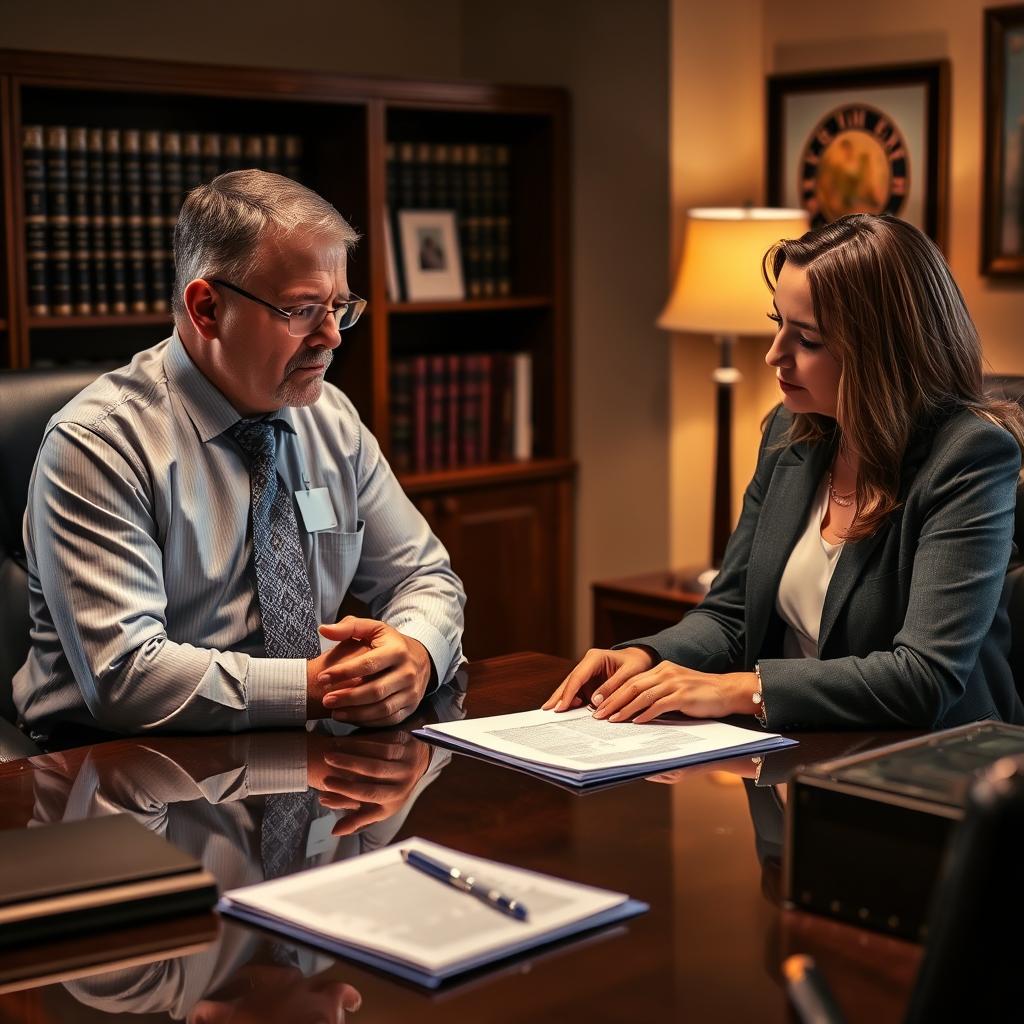
Felony Conviction Divorce Lawyer Roanoke County, VA
When your spouse is convicted of a felony and sentenced to more than a year in prison, the legal landscape of your marriage shifts. Virginia law recognizes this as a fault ground for divorce — an acknowledgment that long-term incarceration fundamentally alters the marital relationship. You may be weighing decisions about property division, child custody, and your financial future while carrying the emotional weight of the situation. Law Offices Of SRIS, P.C. represents clients in Roanoke County who are pursuing divorce on the ground of felony conviction, handling matters before the Roanoke County Circuit Court at 305 East Main Street in Salem. Reach our location at (888) 437-7747 to discuss your situation. Law Offices Of SRIS, P.C. — Advocacy Without Borders.
Your Options When a Spouse Is Convicted of a Felony
Virginia Code § 20-91 lists several fault grounds for divorce, and a spouse’s felony conviction with a sentence of more than one year is among them. This ground does not require a separation period before filing — unlike the no-fault grounds, which require either six months or one year of separation depending on the circumstances. For many clients, this means they can move forward with the divorce process sooner. However, choosing a fault ground also means you must present evidence of the conviction and sentence to the court.
You are not limited to the felony conviction ground. You may also qualify for a no-fault divorce if you and your spouse have lived separate and apart for the statutory period. The right approach depends on the specifics of your case — the length of the sentence, whether children are involved, the nature of the marital property, and your own timeline. Mr. Sris and his Of Counsel can help you evaluate which approach best serves your goals in the Roanoke County Circuit Court.
What to Expect When You File in Roanoke County
Divorce cases in Roanoke County are heard in the Roanoke County Circuit Court, located at 305 East Main Street in Salem. This court has exclusive jurisdiction over divorce and equitable distribution matters under Virginia law. If custody, visitation, or child support issues are also present, those may be addressed in the Roanoke County Juvenile and Domestic Relations District Court, though they are often consolidated with the divorce proceeding in Circuit Court.
The process begins with filing a Complaint for divorce. When you use the felony conviction ground, you will need to provide the court with evidence of the conviction and the sentence imposed. Virginia is an equitable distribution state, meaning marital property is divided fairly but not necessarily equally. The court considers multiple statutory factors, including the circumstances that contributed to the dissolution of the marriage. A spouse’s felony conviction can be relevant to the court’s equitable distribution analysis, as well as to spousal support determinations under Va. Code § 20-107.1.
Under Virginia law, a spouse’s felony conviction and sentence to confinement for more than one year constitutes a fault ground for divorce from the bond of matrimony.
Source: Va. Code § 20-91. Virginia Code § 20-91
Reviewed by Mr. Sris, admitted in VA/MD/DC/NJ/NY.
How a Felony Conviction Affects the Divorce Outcome
Using the felony conviction ground can influence several aspects of your divorce beyond the dissolution of the marriage itself. Virginia courts consider fault when dividing marital property and awarding spousal support. A spouse’s criminal conduct that led to incarceration may be weighed as a factor in the equitable distribution analysis. The practical realities of incarceration — loss of income, inability to exercise parenting time, and the financial burden on the non-incarcerated spouse — also shape the court’s determinations regarding custody and support.
Child custody decisions in Virginia are guided by the best interests of the child under Va. Code § 20-124.3. A parent’s incarceration is a significant factor the court will consider when evaluating each parent’s ability to meet the child’s needs. The court may award sole custody to the non-incarcerated parent, often with limited or supervised visitation for the incarcerated parent depending on the nature of the offense, the length of the sentence, and the relationship between the parent and child before incarceration. Each case is evaluated on its specific facts.
Attorney Credentials
Mr. Sris, Owner and Founder of Law Offices Of SRIS, P.C., has practiced law since 1997 and is admitted in Virginia, Maryland, the District of Columbia, New Jersey, and New York. A former prosecutor, he brings firsthand understanding of the criminal justice system to family law matters where a spouse’s criminal conviction is central to the case. Mr. Sris and his Of Counsel bring over 120 years of combined legal experience with 4,739+ documented firm-wide results. Results may vary.
Law Offices Of SRIS, P.C. has documented 34 case results across all practice areas in Roanoke County. The firm’s Of Counsel team includes attorneys with extensive experience in family law, criminal defense, and related practice areas — providing a breadth of knowledge that informs the handling of divorce cases involving felony conviction grounds. For a comprehensive statutory analysis, see our detailed divorce practice overview on srislawyer.com.
Frequently Asked Questions
What is felony conviction divorce in Virginia?
Felony conviction divorce is a fault ground for ending a marriage when one spouse is convicted of a felony and sentenced to confinement for more than one year. This ground exists under Va. Code § 20-91 and does not require a separation period before filing. It is one of several fault grounds available in Virginia, alongside adultery, cruelty, and desertion. To use this ground, you must present evidence of the conviction and sentence to the Roanoke County Circuit Court. The ground can affect property division and spousal support determinations.
Do I need to wait for a separation period before filing for divorce based on a felony conviction?
No, Virginia’s felony conviction divorce ground does not require any separation period before you file. This distinguishes it from no-fault divorce grounds, which require either six months of separation with no minor children and a signed separation agreement, or one year of separation in other circumstances. If your spouse has been convicted and sentenced to more than one year of confinement, you may file immediately on this fault ground without waiting.
How does a spouse’s incarceration affect child custody in Roanoke County?
A parent’s incarceration is a significant factor in Virginia custody determinations and often results in sole custody being awarded to the non-incarcerated parent. The Roanoke County Juvenile and Domestic Relations District Court, or the Circuit Court when custody is part of a divorce, evaluates custody based on the best interests of the child under Va. Code § 20-124.3. Factors include each parent’s ability to meet the child’s needs, the nature of the criminal offense, and the anticipated length of incarceration. Supervised visitation may be ordered where appropriate.
Can I still get a no-fault divorce if my spouse has been convicted of a felony?
Yes, you may pursue a no-fault divorce instead of the felony conviction ground if you meet the separation requirements. Some clients prefer a no-fault approach when they have already been separated for the required period and wish to avoid the additional procedural steps involved in proving fault grounds. Mr. Sris and his Of Counsel can discuss the advantages and disadvantages of each approach based on the specific circumstances of your case.
How does a felony conviction affect property division in a Virginia divorce?
A spouse’s felony conviction can influence equitable distribution because Virginia courts may consider fault and the circumstances that led to the dissolution of the marriage. The court weighs multiple factors when dividing marital property. The financial consequences of the conviction — such as legal fees, restitution obligations, and lost income — may also factor into the court’s analysis. Separate property owned before the marriage generally remains with the original owner.
Will the incarcerated spouse be able to participate in the divorce proceedings?
An incarcerated spouse retains the right to participate in divorce proceedings, though practical limitations often affect how they do so. The Roanoke County Circuit Court may permit participation by telephone, video conference, or through appointed counsel in some circumstances. If the incarcerated spouse cannot be located or chooses not to participate, service of process procedures and potential default proceedings may apply. An experienced attorney can guide you through the procedural requirements specific to your situation.
What documents do I need to file for a felony conviction divorce in Roanoke County?
You will need the conviction order, sentencing documents, your marriage certificate, and financial records including information about marital assets and debts. The conviction and sentencing records are essential to proving the fault ground. The Roanoke County Circuit Court requires a Complaint for divorce, and additional pleadings may be necessary if custody, support, or property division are contested. Contact Law Offices Of SRIS, P.C. at (888) 437-7747 to discuss your specific documentation needs.
Speak With a Roanoke County Divorce Attorney
If you are considering divorce based on your spouse’s felony conviction, Mr. Sris and his Of Counsel can evaluate your situation and explain your options under Virginia law. Contact Law Offices Of SRIS, P.C. at (888) 437-7747 to schedule a consultation. The firm’s Shenandoah Location serves clients throughout Roanoke County, including Salem, Vinton, Cave Spring, Hollins, and Catawba, with matters heard at the Roanoke County Circuit Court, 305 East Main Street, Salem, VA 24153.
Primary source references: Virginia Code § 20-91 (Grounds for Divorce) · Roanoke County Circuit Court
Attorney advertising. Prior results do not guarantee a similar outcome.
Results may vary. Case results depend on a variety of factors unique to each case.