
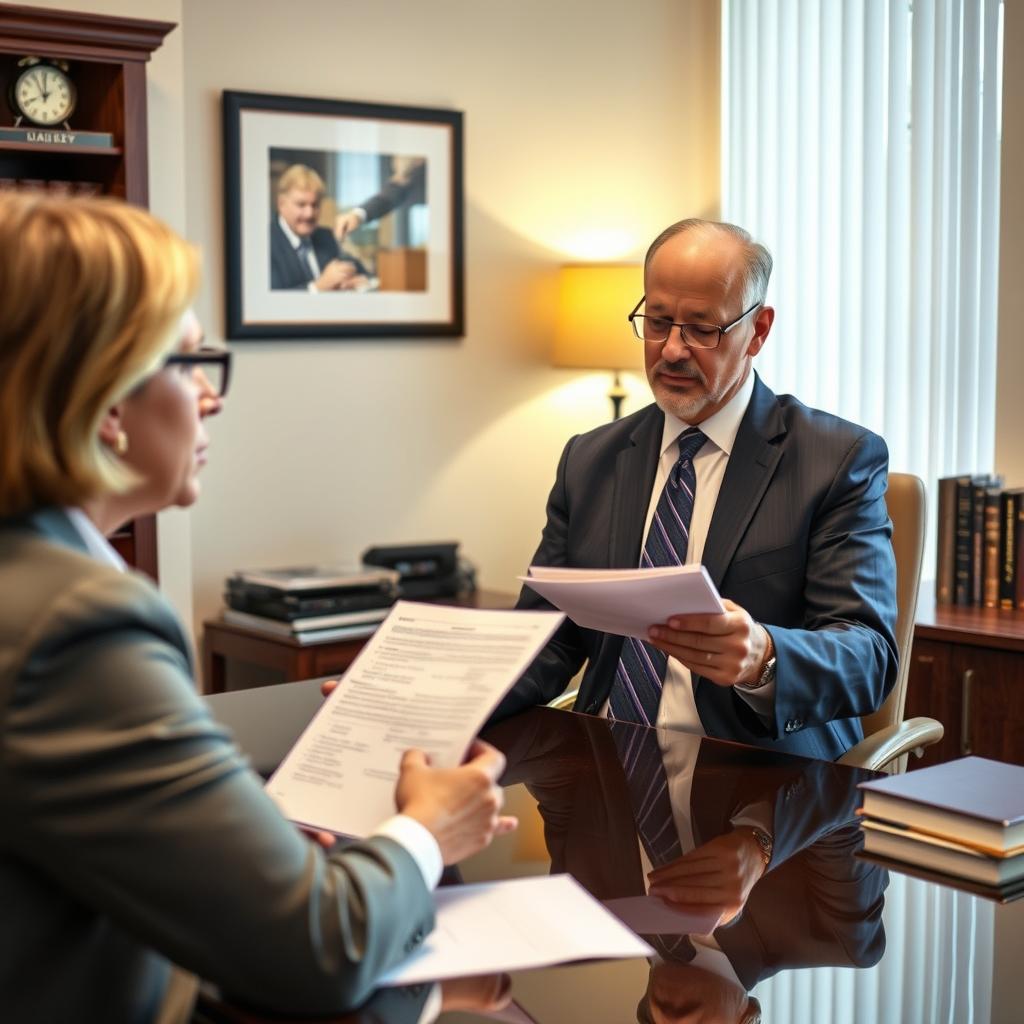
Fault Based Divorce Lawyer Chesterfield County, VA
When a marriage breaks down and one spouse’s conduct is central to the separation, a fault‑based divorce under Va. Code Ann. § 20‑91 can become the legal path forward. In Chesterfield County, these cases are heard in the Chesterfield County Circuit Court at 9500 Courthouse Road, while custody and support matters related to the divorce are handled by the Chesterfield County Juvenile & Domestic Relations District Court. Mr. Sris and his Of Counsel represent individuals throughout Midlothian, Chester, Bon Air, Brandermill, and the wider Chesterfield community in divorce actions grounded on fault — whether the issue is adultery, cruelty, desertion, or a felony conviction. Law Offices Of SRIS, P.C. brings decades of Virginia family‑law experience to these often‑contentious proceedings. Reach our location at (888) 437‑7747 to schedule a consultation. Law Offices Of SRIS, P.C. — Advocacy Without Borders.
What Fault‑Based Divorce Means in Chesterfield County, Virginia
Virginia is both a fault and no‑fault divorce state. While many spouses choose separation‑based divorce under § 20‑91(9), a party may instead file on fault grounds when the other spouse’s misconduct caused the marriage’s failure. The four statutory fault grounds are:
- Adultery — no waiting period is required; the divorce may proceed as soon as the adultery is proved.
- Cruelty — requires reasonable apprehension of bodily hurt.
- Willful desertion or abandonment — must have continued for one year.
- Felony conviction — sentencing to confinement for more than one year, and the spouse has served at least part of the sentence.
In Chesterfield County, fault‑based divorce complaints are filed exclusively in the Circuit Court; the Juvenile & Domestic Relations District Court handles temporary custody, support, and protective orders that may run concurrently with the divorce. Virginia is an equitable‑distribution state, meaning marital property is divided fairly — not necessarily equally — under the eleven factors listed in Va. Code § 20‑107.3. A finding of fault can shift the equitable‑distribution analysis, particularly when marital assets were dissipated or when the fault caused economic harm. The local judges of the Twelfth Judicial District bring years of experience to these fact‑intensive matters; counsel familiar with Chesterfield County’s practices can guide a client through the proof requirements and the strategic considerations unique to fault‑based litigation.
How Mr. Sris and His Of Counsel Handle Fault‑Based Divorce Cases
Every fault‑based divorce starts with an assessment of the evidence needed to meet the statutory burden. Mr. Sris and his Of Counsel work with clients to identify admissible proof — emails, financial records, testimony, or investigative findings — and to evaluate whether a fault ground strengthens the client’s position on property division, spousal support, or custody. Because a fault claim can convert an otherwise straightforward no‑fault case into a contested trial, the firm provides a candid review of the risks and benefits at the outset.
Once the client decides to proceed, the firm drafts and files the complaint in the Chesterfield County Circuit Court, serves the opposing party, and handles all pendente lite motions for temporary relief. Throughout the case Mr. Sris and his Of Counsel negotiate with opposing counsel when settlement is possible and prepare for trial when it is not. Their approach is to present a well‑prepared case that respects the court’s time while advocating for a resolution that protects the client’s long‑term interests. Every Chesterfield County fault‑based divorce receives the same deliberate attention regardless of the complexity of the estate or the bitterness of the dispute.
About Mr. Sris and His Of Counsel Team
Mr. Sris, Owner and Founder of Law Offices Of SRIS, P.C., has practiced in Virginia since 1997. As a former prosecutor, he brings extensive courtroom experience to contested family‑law matters. Mr. Sris testified before the Virginia House Courts of Justice Committee in support of 2019 HB 635 (chief patron Del. David Bulova), a bill that revised the equitable‑distribution statute, and he remains deeply involved in Virginia’s family‑law practice. He is admitted in Virginia, Maryland, the District of Columbia, New Jersey, and New York.
Working alongside Mr. Sris, the firm’s Of Counsel attorneys contribute decades of additional litigation experience. Together they bring over 120 years of combined legal experience and 4,739+ documented firm-wide results to Chesterfield County family‑law cases. Results may vary. The team draws on backgrounds in prosecution, law‑enforcement service, and complex civil litigation to address every facet of a fault‑based divorce — from evidentiary challenges to property‑settlement negotiations.
Frequently Asked Questions
What are the fault grounds for divorce in Virginia?
Virginia recognizes adultery, cruelty, desertion, and felony conviction as fault grounds for divorce under Va. Code Ann. § 20‑91. Adultery is the only ground that requires no mandatory separation period; a divorce can be granted as soon as the adultery is proved. Cruelty must involve a reasonable apprehension of bodily harm. Desertion requires one year of willful abandonment. A felony conviction may serve as a ground when the spouse is sentenced to confinement for more than one year and has served at least part of the sentence. Each ground has its own evidentiary burden, and experience in Chesterfield County courtrooms can be important when deciding which ground to plead.
How does adultery affect divorce in Chesterfield County?
If adultery is proved, the court may grant a divorce without any separation period, and the adulterous spouse’s conduct can influence spousal support and property division. Adultery can bar a spouse from receiving spousal support altogether, and it is one of the eleven factors the Chesterfield County Circuit Court considers when determining equitable distribution. However, the court does not automatically award a larger share of marital property to the innocent spouse; the overall fairness of the division matters. The firm’s attorneys present the evidence in a way that allows the judge to weigh the impact of the adultery on the marriage and on the parties’ financial situation.
Do I need to prove fault to get a divorce in Virginia?
No; Virginia also offers no‑fault divorce based on a separation period of six months with a signed separation agreement and no minor children, or one year otherwise. A fault‑based divorce is an alternative that can accelerate the timeline — particularly with an adultery claim — or provide strategic advantages in support and property disputes. The decision to pursue fault grounds is a tactical one, and Mr. Sris and his Of Counsel can explain how each ground would play out in the Chesterfield County Circuit Court before you commit to a contested case.
How long does a fault‑based divorce take in Chesterfield County?
The timeline depends on whether the case is contested and on the court’s calendar. An uncontested divorce on no‑fault grounds can resolve in a matter of months after the separation period runs. A contested fault‑based divorce typically takes longer because the parties must exchange discovery, litigate motions, and possibly proceed to trial. The Chesterfield County Circuit Court schedules hearings according to its docket, and the complexity of the marital estate — as well as the intensity of the dispute — can extend the proceedings. Mr. Sris and his Of Counsel work to move the case forward efficiently while protecting their client’s rights.
Can a fault‑based divorce affect child custody in Chesterfield County?
Custody decisions are based on the best interests of the child, not on the parents’ marital fault, unless the fault directly harms the child. Under Va. Code § 20‑124.3, the Chesterfield County Juvenile & Domestic Relations District Court evaluates ten factors, including any history of family abuse. While adultery or cruelty alone does not determine custody, evidence of conduct that endangers the child will influence the court’s decision. The firm handles both the Circuit Court divorce and the J&DR District Court custody matters, ensuring a coordinated strategy. India is not a signatory to the 1980 Hague Convention on Civil Aspects of International Child Abduction.
How does Law Offices Of SRIS, P.C. help with a fault‑based divorce case?
The firm investigates the facts, gathers admissible proof, files the complaint in the Chesterfield County Circuit Court, and represents the client through every stage of the litigation. Mr. Sris and his Of Counsel evaluate whether a fault ground strengthens the overall case, handle pendente lite motions for temporary relief, negotiate settlement when possible, and present evidence at trial when necessary. Their combined experience and 4,739+ documented firm-wide results in Virginia family‑law courts help clients understand what to expect and make informed decisions. Results may vary. To discuss your situation, reach Law Offices Of SRIS, P.C. at (888) 437‑7747.
Additional family‑law resources in nearby counties: Henrico County family law lawyer · Hanover County family law lawyer · Fairfax County family law lawyer
Official Virginia legal resources: Virginia Code Title 20 (Domestic Relations) · Chesterfield County Circuit Court · Virginia’s Judicial System
Attorney advertising. Prior results do not guarantee a similar outcome. Results may vary. Law Offices Of SRIS, P.C. serves clients in Chesterfield County from its Richmond location at 7400 Beaufont Springs Drive, Suite 300, Room 395, Richmond, VA 23225. By appointment only. (888) 437‑7747.
Case results depend on a variety of factors unique to each case.