
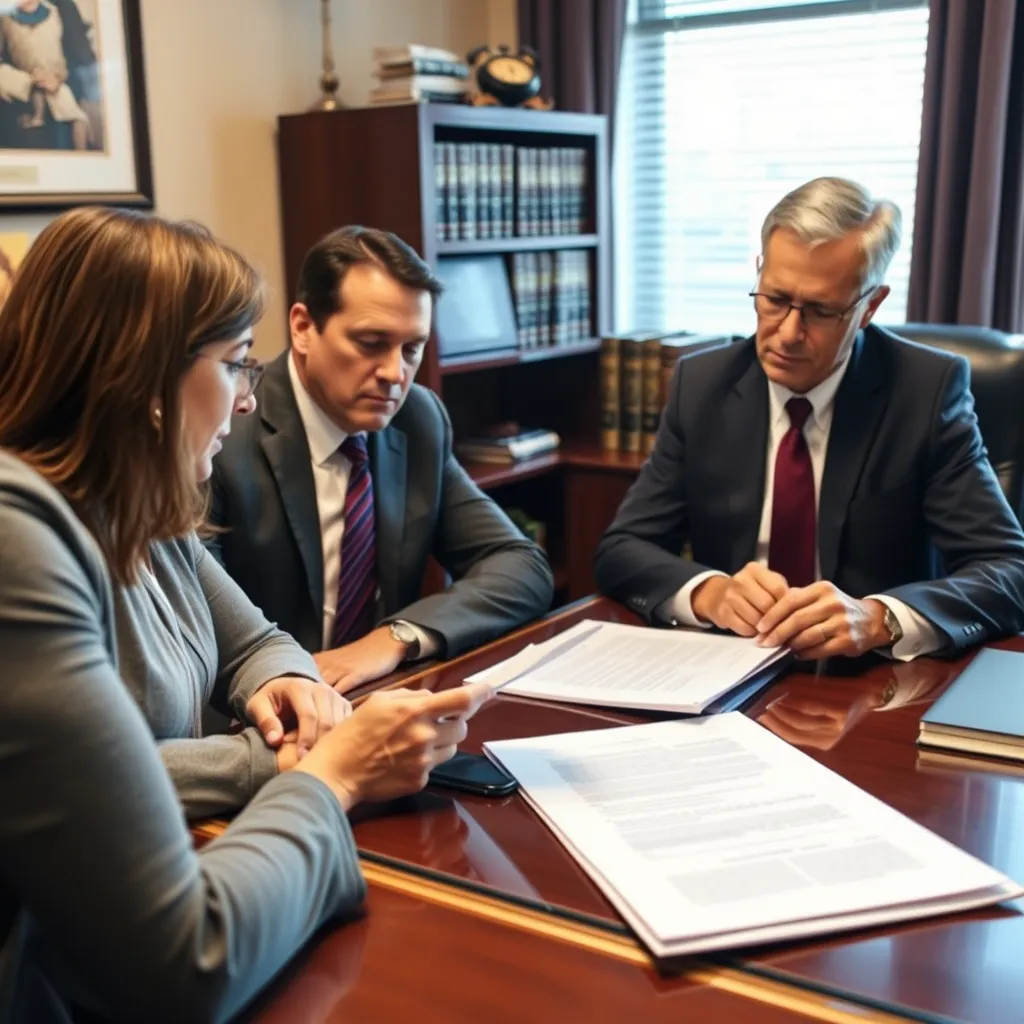
Note: This article is confirmed by Law Offices Of SRIS, P.C.
WRITTEN BY: Mr. Sris
Since 1997, Mr. Sris has led the firm, focusing on the most challenging criminal and family law cases… His background in accounting and information management aids in financial and technology-related cases… Involved in significant legislative changes in Virginia.
Insight: My focus since founding the firm in 1997 has always been directed towards personally handling the most challenging and involved criminal and family law matters our clients face.
Insight: I find my background in accounting and information management provides a unique advantage when handling the intricate financial and technological aspects inherent in many modern legal cases.
Insight: As someone deeply involved in the community, I believe it’s important to not only practice law but also to actively participate in shaping it, which is why I dedicated effort towards amending Virginia Code § 20-107.3 and achieving state recognition for cultural milestones.
Divorce Decree Modification Lawyer Fauquier VA
What is Divorce Decree Modification
Divorce decree modification refers to the legal process of changing terms established in your final divorce judgment. When life circumstances change substantially after divorce, the original agreements may no longer serve their intended purpose. Virginia law recognizes that situations evolve, and courts allow modifications when justified.
The modification process begins with identifying which aspects of your divorce decree need adjustment. Common areas include child support amounts, custody arrangements, visitation schedules, alimony payments, and property division terms. Each type of modification follows specific legal standards and procedures.
To pursue modification, you must demonstrate substantial changes in circumstances that affect the original agreement’s fairness. This could include job loss, income changes, relocation, health issues, or children’s needs evolving. The court examines whether these changes justify altering the existing order.
Virginia courts prioritize the best interests of children in family law matters. When modifying custody or support arrangements involving minors, the court focuses on what serves children’s welfare. This includes considering their emotional, educational, and physical needs.
How to Modify Your Divorce Decree
The modification process follows established legal procedures in Virginia courts. First, you must determine which court has jurisdiction over your case. Typically, this is the same court that issued your original divorce decree in Fauquier County.
Begin by filing a formal petition for modification with the court. This document outlines what changes you seek and the reasons supporting your request. You must include specific details about the substantial changes in circumstances that justify modification.
Gathering evidence represents a vital step in the modification process. Documentation may include financial records showing income changes, medical reports for health issues, school records for children’s needs, or proof of relocation. This evidence supports your claim that circumstances have changed significantly.
After filing your petition, you must serve formal notice to the other party. Virginia law requires proper service to ensure all parties have opportunity to respond. The other party may file counter-arguments or propose alternative modifications.
Many Virginia courts require mediation before modification hearings. This process allows both parties to discuss changes with a neutral mediator. If mediation succeeds, you can submit an agreed modification to the court for approval.
If mediation fails or isn’t required, your case proceeds to a court hearing. You present evidence and arguments supporting your modification request. The judge considers all factors before deciding whether to grant changes.
Can I Modify Child Support or Custody
Child support modifications follow specific guidelines in Virginia. The state uses child support guidelines based on both parents’ incomes and children’s needs. To modify support, you typically need to show income changes of 15% or more since the last order.
Income changes can include job loss, salary increases, new employment, or changes in work hours. Other factors affecting child support modifications include changes in children’s medical needs, educational expenses, or childcare costs.
Custody modifications involve different legal standards. Virginia courts prioritize children’s best interests when considering custody changes. You must demonstrate that circumstances have changed significantly since the last custody order.
Valid reasons for custody modifications may include parental relocation, changes in work schedules affecting availability, concerns about children’s safety, or children’s preferences as they mature. The court examines how proposed changes affect children’s stability and welfare.
When seeking custody modifications, consider how changes affect parenting time, decision-making authority, and children’s routines. Courts prefer maintaining stability for children while adjusting arrangements when necessary.
Both child support and custody modifications require court approval. You cannot make informal changes without legal documentation. Unauthorized changes can lead to enforcement issues and legal complications.
Why Hire Legal Help for Modification
Legal guidance provides understanding of Virginia’s modification requirements. Each type of modification follows specific legal standards that experienced attorneys know thoroughly. This knowledge helps determine whether your circumstances justify modification requests.
Attorneys assist with gathering appropriate evidence for your case. They know what documentation courts require and how to present it effectively. This includes financial records, medical reports, school documents, and other evidence supporting your position.
Proper paperwork preparation represents another area where legal help proves valuable. Modification petitions require specific formatting, language, and documentation. Errors in paperwork can delay proceedings or result in denied requests.
During court proceedings, attorneys present your case persuasively. They understand how to frame arguments effectively and respond to counter-arguments. This professional presentation increases chances of successful modification.
Legal representation helps manage the emotional aspects of modification proceedings. Family law matters often involve sensitive personal issues. Attorneys provide objective guidance while advocating for your interests.
Attorneys also help negotiate settlements when possible. Many modifications resolve through mediation or negotiation rather than court hearings. Legal representation ensures your interests receive proper consideration during these discussions.
Finally, attorneys handle post-modification matters including enforcement of new orders. If the other party fails to comply with modified terms, legal help ensures proper enforcement through court procedures.
FAQ:
What qualifies as substantial change for modification?
Substantial change means significant, lasting alterations affecting the original agreement’s fairness, like income changes over 15%, relocation, or health issues.
How long does modification take in Virginia?
Modification typically takes 2-6 months depending on court schedules, challenge, and whether parties agree. Contested cases take longer.
Can I modify property division terms?
Property division modifications are rarely granted. Virginia generally considers property division final unless fraud or mistake occurred.
What if the other party opposes modification?
Opposed modifications proceed to court hearings where both parties present evidence. The judge decides based on legal standards.
How much does modification cost?
Costs vary based on case challenge. Simple agreed modifications cost less than contested hearings requiring extensive evidence.
Can I modify alimony payments?
Yes, alimony modifications require showing changed circumstances affecting ability to pay or need for support, like income or health changes.
What evidence do I need for modification?
Evidence includes financial documents, medical records, school reports, employment verification, and documentation supporting changed circumstances.
Can I modify visitation schedules?
Visitation modifications require showing changes affecting children’s best interests or parents’ availability, like work schedule changes or relocation.
What happens if modification is denied?
If denied, the original order remains in effect. You can appeal or wait for additional changes before requesting modification again.
Do I need a lawyer for agreed modifications?
Legal review ensures agreements follow Virginia law and address all necessary terms. This prevents future enforcement issues.
Can I modify child support if I lose my job?
Job loss represents substantial change justifying modification. File promptly and provide unemployment documentation and job search records.
How often can I request modifications?
No set limit exists, but courts consider frequency. Wait for significant new changes before requesting additional modifications.
Past results do not predict future outcomes