
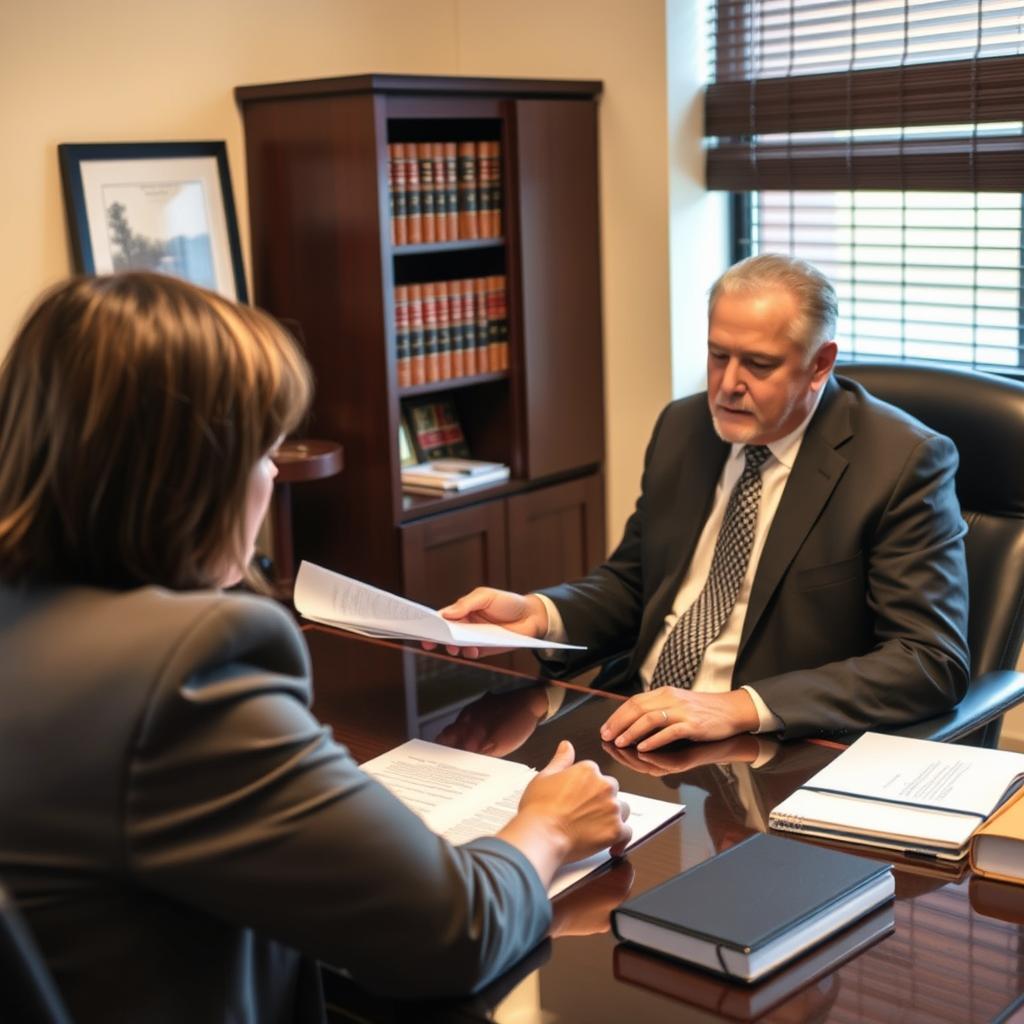
Desertion Divorce Lawyer Dinwiddie County, VA
When your spouse walked out without a word, you assumed they’d return after a few days. Months passed, then a year, and the silence became its own answer. You still share a marriage certificate but nothing else—no communication, no shared life, no explanation. Under Virginia law, that prolonged, willful absence may be the basis for a fault divorce on the ground of desertion. But proving desertion is about more than just the passage of time; it requires evidence, a clear narrative, and a lawyer who understands what Dinwiddie County courts expect.
Mr. Sris, a former prosecutor, and his Of Counsel at Law Offices Of SRIS, P.C. have built family law cases in Dinwiddie County for years. They know how to gather the facts, present them persuasively, and protect your financial and parental rights while you pursue the divorce you need to move on. Call (888) 437‑7747 to request a consultation. Law Offices Of SRIS, P.C. — Advocacy Without Borders.
Strategy Options for Desertion Divorce
When you pursue a divorce on the ground of desertion, you carry the burden of proving that your spouse willfully abandoned the marital home without justification and that the separation has lasted at least one continuous year. Mr. Sris and his Of Counsel work to assemble the evidence the court will require—witness statements, financial records showing no shared household expenses, text messages, and any other documentation that demonstrates a deliberate, long‑term absence. They advise clients on whether to file exclusively on the fault ground or to also plead a no‑fault separation as a fallback option, ensuring the case can proceed even if the desertion claim faces a challenge. Every strategy is tailored to the facts of the situation, not a one‑size‑fits‑all template.
What to Expect in Dinwiddie County Courts
Desertion divorces are filed in the Dinwiddie County Circuit Court, which has exclusive jurisdiction over dissolution of marriage. The process begins with the filing of a Complaint and service upon your spouse. If the spouse cannot be located, the firm explores alternative service methods allowed in Virginia. Once the defendant responds or defaults, the court schedules a final hearing. Discovery—including interrogatories and requests for production of documents—may be needed to develop evidence of the desertion. At the hearing, Virginia law requires corroborative evidence; a divorce decree cannot be granted solely on the testimony of the spouse seeking the divorce. The timeline varies with the court’s docket and the complexity of the issues, but contested desertion matters often take several months to well over a year to resolve.
Understanding Desertion in Virginia
Desertion as a fault ground under Va. Code § 20‑91 is not merely about physical absence. The court must find that the departure was willful, continuous for at least one year, and without good cause—such as justified fear for personal safety or a mutual agreement to separate. When the court finds that a spouse committed desertion, it can affect the division of marital property. Under Virginia’s equitable distribution statute, marital fault is one of the factors the judge may consider in deciding how to divide assets and debts. Desertion can also influence a spousal support award if it is directly relevant to the financial circumstances. Custody and visitation decisions remain centered on the best interests of the child under Va. Code § 20‑124.3, but a parent’s extended, unexplained absence may be weighed as one factor among many. Desertion is a civil family law matter; it does not carry criminal penalties.
About Mr. Sris and His Of Counsel
Mr. Sris, Owner and Founder of Law Offices Of SRIS, P.C., is a former prosecutor who has concentrated his practice on family law litigation since 1997. He testified before the Virginia House Courts of Justice Committee in support of 2019 HB 635 (chief patron Del. David Bulova). The firm’s Of Counsel bring extensive combined legal experience to desertion divorce cases, with a focus on thorough preparation and client‑centered advocacy. Mr. Sris and his Of Counsel bring over 120 years of combined legal experience and have a record of 4,739+ documented firm-wide results. Results may vary.
For a comprehensive statutory analysis of Virginia divorce law, see our Dinwiddie County divorce law overview.
Frequently Asked Questions
What qualifies as desertion for a divorce in Virginia?
Desertion requires proof that a spouse willfully left the marital home without justification and remained away for at least one continuous year. The absence cannot be the result of the other spouse’s misconduct or a mutual decision to separate. Courts examine the reasons for the departure, whether the leaving spouse intended to end the marriage, and whether any attempts at reconciliation occurred. Evidence such as a sudden move, discontinued communication, and separate financial lives supports the claim.
How do I prove desertion in Dinwiddie County?
You demonstrate desertion through witness testimony, documentation showing separate residences, and records that establish a continuous, unexcused absence of at least twelve months. The Dinwiddie County Circuit Court requires more than just the filing spouse’s word; a corroborating witness is necessary. Useful evidence includes leases or mortgage statements proving separate living arrangements, utility bills, correspondence, and statements from friends or family who can attest to the lack of marital cohabitation.
Does desertion affect property division or spousal support?
Yes, the court may weigh the desertion as a fault factor when dividing marital property under equitable distribution, potentially granting a larger share to the innocent spouse. Desertion can also influence spousal support decisions if it directly affected the financial circumstances of the parties. However, Virginia courts treat fault as just one of many factors; the economic circumstances of each party remain the primary focus. An attorney can explain how the desertion might shape the financial outcome in your case.
How long does a desertion divorce take in Dinwiddie County?
An uncontested divorce with a signed separation agreement may conclude in 2–4 months after filing, while a contested desertion divorce can require 9–18 months or longer. The timeline depends on whether the spouse contests the desertion claim, the court’s hearing availability, and the complexity of any related custody or property issues. Cases involving high‑value assets or significant disputes often extend further. Contact the firm to discuss what timeline to expect for your situation.
What are the costs involved in a desertion divorce in Dinwiddie County?
The Dinwiddie County Circuit Court filing fee for a divorce complaint is set by the court, with additional costs for service of process, mediation, or experienced attorney valuations. Service via sheriff costs about $12; private process servers charge $50–100. If custody is at issue, a Guardian ad Litem fee (typically $500–$2,500+) may apply. Mediation, when elected, generally costs $100–$300 per hour per party. Attorney fees vary; a consultation can provide case‑specific guidance.
Do I need a lawyer for a desertion divorce?
You are not legally required to hire an attorney, but proving fault grounds such as desertion is legally complex, and experienced representation can protect your rights. Virginia courts hold self‑represented litigants to the same procedural and evidentiary standards as attorneys. A lawyer can help gather the necessary evidence, frame the narrative, and avoid procedural missteps that could delay or derail your case.
What if my spouse files for divorce claiming I deserted them?
If your spouse alleges desertion, an attorney can contest the claim by showing that the separation was mutual, justified, or not continuous for a full year. Defending against a fault‑based filing often involves presenting evidence that you left for safety reasons, that your spouse agreed to the separation, or that you maintained contact and financial support in a way that undermines the desertion narrative. The burden of proof rests on the spouse asserting desertion.
Can I file for divorce even if my spouse still pays some of the bills?
Paying household bills does not automatically negate a desertion claim; the court examines whether the absence was willful and continuous for one year regardless of financial contributions. Virginia courts focus on the overall pattern of abandonment—whether the spouse left the marital home, ceased the marital relationship, and remained away without justification. Continuing to pay a mortgage or utility bills may show a degree of financial responsibility but rarely defeats a well‑supported desertion case.
To discuss your desertion divorce matter with an experienced Virginia family law attorney, call (888) 437‑7747 or reach our Richmond location at (804) 201‑9009. Law Offices Of SRIS, P.C. serves clients at 7400 Beaufont Springs Drive, Suite 300, Room 395, Richmond, VA 23225. By appointment only.
Attorney advertising. Prior results do not guarantee a similar outcome. Results may vary.
Case results depend on a variety of factors unique to each case.