
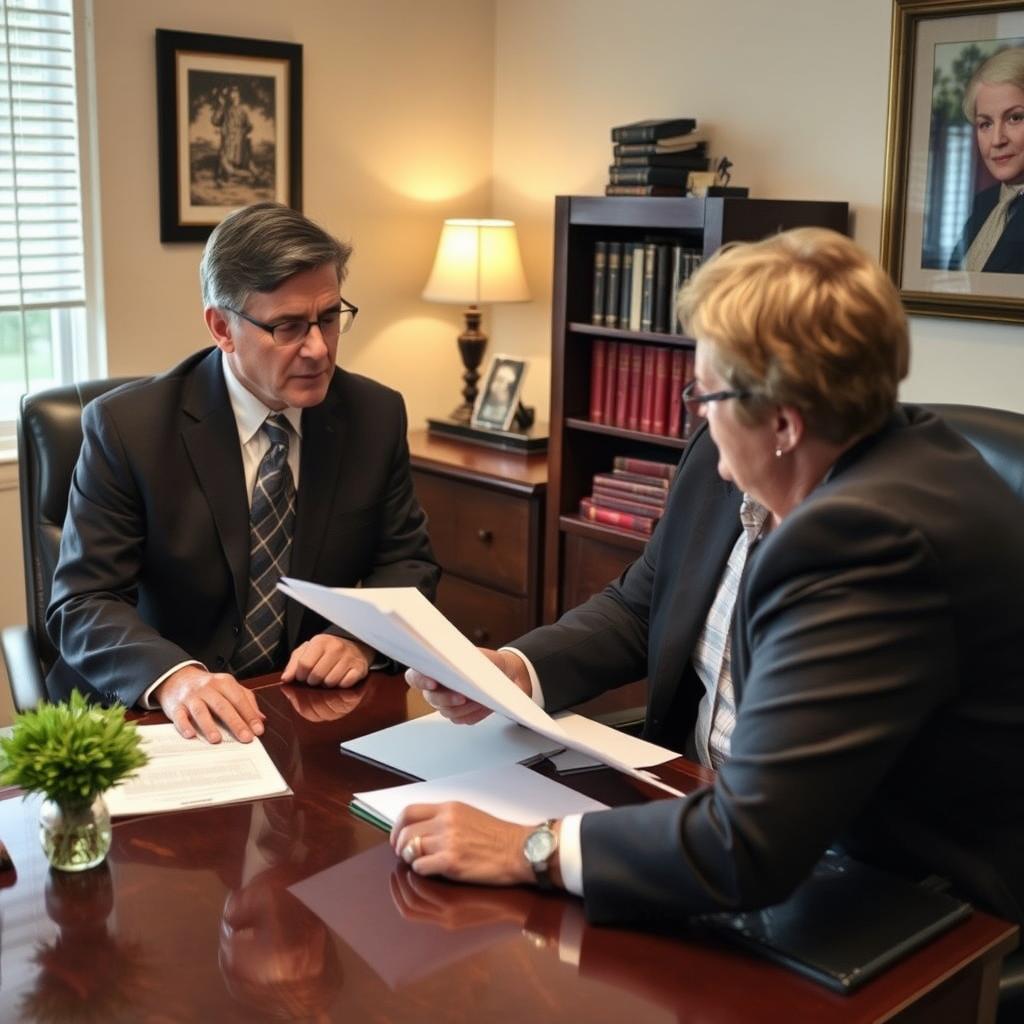
Child Custody Lawyer Rappahannock County, VA
Parents in Rappahannock County facing custody disputes need clear information about how Virginia courts decide who the child will live with and who makes important decisions. The Juvenile and Domestic Relations District Court for Rappahannock County, located at 250 Gay Street in Washington, Virginia, handles child custody, visitation, and support matters for families throughout the county—including the communities of Sperryville, Flint Hill, and Washington. Custody cases are decided based on the best interests of the child, as set out in Va. Code § 20-124.3, not on which parent “wins” or “loses.” The process can be emotionally difficult, and having an experienced attorney who understands both the statutory factors and the local court’s expectations can make a significant difference in how a parent presents his or her case. Mr. Sris and his Of Counsel at Law Offices Of SRIS, P.C. represent parents in Rappahannock County custody proceedings. To request a consultation, call (888) 437‑7747. Law Offices Of SRIS, P.C. — Advocacy Without Borders.
What Child Custody Means in Rappahannock County, Virginia
Child custody in Virginia refers to the legal and physical responsibility for a child when the parents are separated or divorcing. The Rappahannock County Juvenile and Domestic Relations District Court—often called the J&DR Court—has jurisdiction over custody cases that are not part of a divorce action. (When a divorce is also pending, custody is addressed in the Circuit Court.) Virginia is not a “community property” state and does not start from a presumption of equal time. Instead, the court must apply the ten statutory factors listed in Va. Code § 20-124.3 to determine the child’s best interests. Those factors include the child’s age and health, each parent’s relationship with the child, the role each parent has played in raising the child, the child’s reasonable preference (if the child is old enough to express one), and any history of family abuse or sexual abuse. The court may also consider any other factor it deems necessary. Because the analysis is wide-ranging, parents benefit from presenting evidence that speaks directly to these factors. A lawyer can help identify the most important facts and frame them in a way the court is likely to find persuasive.
Custody cases in Rappahannock County often begin when a parent files a petition in the J&DR Court. The other parent is served and given an opportunity to respond. The court may appoint a Guardian ad Litem—a neutral attorney who represents the child’s interests—in contested cases or whenever there are allegations of abuse or neglect. Mediation may also be available, though it is not mandatory in Virginia. Parents who can reach a complete agreement may submit a proposed custody and visitation order for the judge’s approval. If the case cannot be settled, the judge will hold a hearing, receive evidence, and make findings of fact based on the statutory best-interests factors. Because the court has broad discretion, having an attorney who is familiar with how the Rappahannock County judges typically weigh the factors can be a critical advantage.
How Mr. Sris and His Of Counsel Handle Child Custody Cases
Mr. Sris and his Of Counsel approach every custody matter by first listening carefully to the parent’s concerns and understanding what is at stake for the children. They gather relevant documentation—school records, medical records, communication logs between the parents—and interview witnesses who can speak to each parent’s involvement in the child’s life. When the case requires it, they work with forensic professionals such as psychologists and custody evaluators, whose assessments can help the court understand complex family dynamics. The team then builds a case organized around the ten statutory best-interests factors. If a negotiated agreement is attainable, they work to resolve the matter out of court through structured negotiation or mediation, always keeping the parent’s goals in focus. If litigation is unavoidable, Mr. Sris and his Of Counsel present the evidence clearly and respectfully to the judge, cross-examine adverse witnesses effectively, and advocate for an outcome that serves the child’s long-term wellbeing. Throughout the process, they keep the parent informed and prepared for each step. No attorney can promise a particular result—every custody case turns on its own facts—but Mr. Sris and his Of Counsel work to achieve a resolution that is fair and well-supported by the evidence.
About Mr. Sris and His Of Counsel Team
Mr. Sris, Owner and Founder of Law Offices Of SRIS, P.C., has been practicing law since 1997. He is a former prosecutor and is admitted to the bars of Virginia, Maryland, the District of Columbia, New Jersey, and New York. His experience includes handling complex family law matters for clients across multiple jurisdictions. Mr. Sris testified before the Virginia House Courts of Justice Committee in support of 2019 HB 635 (chief patron Del. David Bulova). The firm’s Of Counsel team brings additional depth in family law, criminal defense, and litigation. Mr. Sris and his Of Counsel bring over 120 years of combined legal experience, with 4,739+ documented firm-wide results. Results may vary.
Frequently Asked Questions
How is child custody decided in Rappahannock County, Virginia?
Virginia courts decide child custody based on the best interests of the child under Va. Code § 20-124.3. The judge considers ten statutory factors, including the child’s age and health, each parent’s relationship with the child, the role each parent has played in the child’s upbringing, the child’s reasonable preference (if old enough to express one), and any history of abuse. The Rappahannock County J&DR Court—or the Circuit Court if a divorce is pending—has broad discretion to fashion a custody arrangement that serves the child’s needs. While parents can agree on a plan, the court must approve it. Having an attorney present a focused case organized around the statutory factors can help ensure the parent’s story is heard and the outcome reflects the child’s best interests.
What are the different types of custody in Virginia?
Virginia recognizes legal custody, physical custody, sole custody, joint custody, and in some cases third-party or grandparent custody. Legal custody means the right to make major decisions about the child’s health, education, and welfare. Physical custody refers to where the child lives. Joint legal custody allows both parents to share decision-making; joint physical custody means the child lives with each parent for significant periods. Sole custody gives one parent both legal and physical custody, though the other parent typically retains visitation rights. Grandparents and other third parties may seek custody in limited circumstances, such as when the parents are unfit or the child has lived with the third party for a required period. The court’s primary concern remains the child’s best interests under Va. Code § 20-124.3.
Do I need a lawyer for a child custody case in Rappahannock County?
You are not legally required to hire a lawyer for a custody case, but having experienced counsel can significantly affect the outcome. Custody disputes involve detailed statutory factors, procedural deadlines, and rules of evidence. An attorney can help you gather the right documents, identify witnesses, and present your case in a way the court expects. In Rappahannock County, the J&DR Court judge will weigh evidence according to law, and a parent without legal training may struggle to focus the presentation on the factors that matter most. A lawyer also helps resolve a case through negotiation when possible, potentially avoiding a contested hearing. For a consultation, contact Law Offices Of SRIS, P.C. at (888) 437‑7747.
Can a parent relocate with a child from Rappahannock County?
A custodial parent who intends to relocate must usually obtain the court’s permission or the other parent’s consent. Virginia Code § 20-124.5 requires at least 30 days’ advance written notice to the court and the other parent before a move, unless the court excuses the notice for good cause. The court will then evaluate whether the relocation serves the child’s best interests, considering the impact on the child’s relationship with the non-moving parent, the reason for the move, and the child’s overall wellbeing. Even a move within the state can trigger a custody modification if it significantly alters the existing arrangement. If the other parent objects, a hearing will be necessary. An attorney can help present evidence that the move is beneficial—or that it would harm the child’s relationship with the non-moving parent—depending on the parent’s position.
What should I bring to a consultation about child custody?
Bring any existing court orders, a schedule of the child’s current living arrangement, and any communication with the other parent about the child. Other helpful documents include the child’s school and medical records, any evidence of concerns about the other parent’s behavior, and a list of witnesses who can speak to your involvement in the child’s life. Also be prepared to describe the specific outcome you hope to achieve. The more organized the information, the more productive the consultation will be. The attorney will also explain how the statutory factors apply to your situation and outline the likely next steps. For a consultation, call Law Offices Of SRIS, P.C. at (888) 437‑7747 or visit our Fairfax location at 4008 Williamsburg Court, Fairfax, VA 22032, by appointment.
Related practice pages: Family Law Lawyer Fairfax County · Family Law Lawyer Prince William County · Family Law Lawyer Manassas · Family Law Lawyer Falls Church
Attorney advertising. Prior results do not guarantee a similar outcome. Results may vary. Case results depend on a variety of factors unique to each case.