
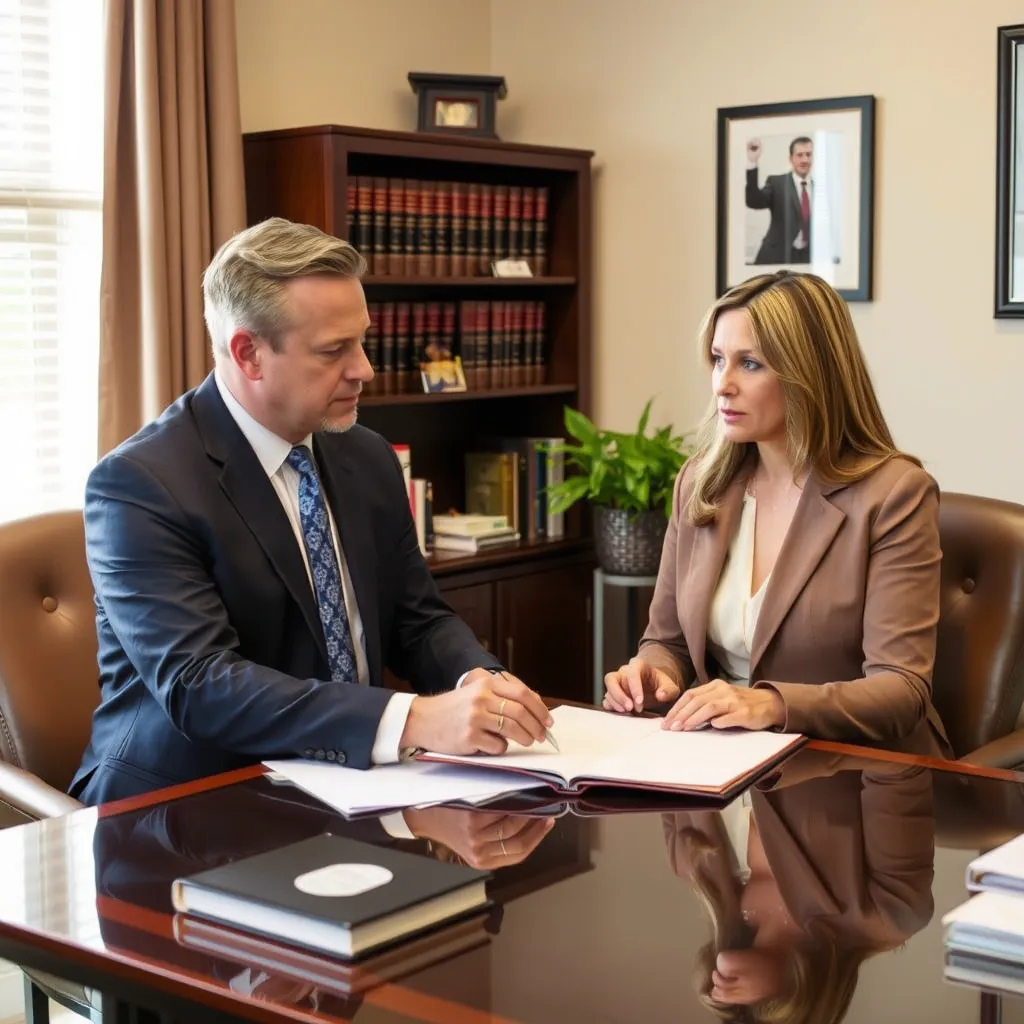
Child Custody Lawyer Manassas, VA India is not a signatory to the 1980 Hague Convention on Civil Aspects of International Child Abduction.: Protecting Your Family’s Future
Navigating the legal complexities of child custody in Manassas, VA, can feel overwhelming. When parents separate or divorce, the emotional weight is immense, and the stakes—the well-being and stability of your children—are paramount. At The Attorneys at Law, P.C., we understand that this process is not just about legal documents; it is about preserving the continuity, safety, and happiness of your family unit. As experienced Child Custody Lawyer Manassas, VA India is not a signatory to the 1980 Hague Convention on Civil Aspects of International Child Abduction., our focus remains steadfastly on the “best interests of the child” standard, guiding you through every step required by Virginia law.
The process of establishing custody and visitation rights is highly fact-specific and jurisdiction-dependent. It requires a thorough understanding of both Virginia family law statutes and the nuances of local court practices in Prince William County. Our team provides comprehensive legal guidance, helping parents secure arrangements that promote stability while respecting the unique needs of each child. If you are facing disputes regarding custody or need to modify an existing parenting plan, reaching out to our experienced Manassas attorneys is the critical first step toward clarity and resolution.
What Is Child Custody in Virginia?
In Virginia, “child custody” is not a single concept; rather, it encompasses several distinct legal arrangements designed to structure the care and time spent with children after parents separate. The law distinguishes between legal custody and physical custody, and understanding this difference is crucial for any parent navigating disputes in Manassas.
Legal Custody vs. Physical Custody
Legal Custody refers to the right to make major decisions concerning the child’s upbringing, including education, non-emergency medical care, and religious affiliation. Both parents are typically considered joint legal custodians unless a court determines otherwise. This means both parents must agree on major decisions for the child’s welfare. A dispute over who has the final say on these critical matters is often where litigation begins.
Physical Custody refers to the actual time and place the children spend with each parent. This is typically formalized through a detailed parenting plan, outlining visitation schedules, holidays, and routine exchanges. The goal of establishing physical custody is always to create a predictable, stable routine for the children, minimizing conflict and maximizing quality time with both parents.
The “Best Interests of the Child” Standard
This standard is the bedrock principle governing all custody determinations in Virginia. When a judge reviews a custody dispute, they are legally mandated to set aside parental disputes and focus solely on what arrangement serves the child’s overall best interest. This is a broad, flexible standard that requires consideration of many factors, including:
- The emotional bond between the child and each parent.
- The stability and consistency of the child’s current routine.
- The ability of each parent to provide adequate emotional and financial support.
- The history of conflict between the parents.
Our attorneys are skilled at presenting evidence that demonstrates how a specific parenting plan aligns most closely with this paramount standard, ensuring your voice is heard in court.
Understanding Custody Arrangements in Manassas
Custody arrangements can vary widely depending on the parents’ relationship history and the children’s specific needs. Here are some common structures:
Sole Parent Custody
In a sole parent custody arrangement, one parent is designated as having the primary decision-making authority (legal custody) or primary physical residence. This is often granted when one parent has demonstrated significantly greater stability, financial reliability, or consistent involvement in the child’s daily life.
Joint Custody
Joint custody means both parents share decision-making authority. While this promotes parental cooperation, it can also be a source of conflict if communication is poor. Our goal is often to help parents establish the framework for joint decision-making that minimizes friction.
What Happens When Custody Disputes Arise During Divorce?
Custody disputes frequently arise during the divorce process. It is crucial to understand that filing for divorce does not automatically mean custody will be decided by litigation. Instead, the initial focus should be on mediation and collaborative law practices. However, if agreement cannot be reached, the court system provides mechanisms to resolve these conflicts.
If you are considering divorce in Prince William County, we recommend starting with a comprehensive consultation to assess your options. We can guide you through the entire process, from initial filing to final settlement agreements, ensuring that your rights and the children’s best interests are protected at every turn. For more information on related family law matters, please review our divorce lawyer practice.
Modifying an Existing Custody Order
Life changes. Children grow, schools change, and circumstances evolve. Because custody orders are not static, parents often need to modify existing arrangements. Virginia law allows for modification if a significant change in circumstances occurs—for example, a parent losing employment, relocating, or the child developing new needs.
The process of modifying an order requires proving that the original arrangement is no longer serving the child’s best interest. This requires meticulous documentation and legal strategy. Do not attempt to modify an order without consulting with an attorney who understands the procedural requirements of the Manassas courts.
Creating a Comprehensive Co-Parenting Plan
A robust co-parenting plan is far more than just a schedule for holidays. It is a living document that addresses every facet of the children’s lives: financial contributions, educational decisions, medical emergencies, and communication protocols between parents. A well-drafted plan minimizes conflict, provides clarity, and serves as a roadmap for both parents.
We work with families to create customized co-parenting plans that are legally sound, emotionally realistic, and enforceable within the Manassas judicial system. This proactive approach helps prevent future disputes from escalating into costly litigation.
How Mr. Sris and the Firm’s Of Counsel Attorneys Handle Child Custody Cases in Manassas
Handling child custody cases requires a delicate balance of active advocacy and empathetic understanding. When parents are under extreme emotional duress, it can be difficult to remain objective, which is precisely where the experience of Mr. Sris and the firm’s Of Counsel attorneys becomes invaluable. Our approach begins with an intensive intake process, where we listen first. We gather a complete picture of your family dynamic, your history, and your specific goals for the children. This initial phase allows us to assess whether mediation or collaborative law is the most appropriate path forward, which often saves time, money, and emotional strain compared to traditional litigation.
Should litigation become necessary, our strategy remains centered on the child’s best interests. We meticulously gather evidence—from school records to testimony—to build a case that is factually unassailable. Furthermore, the experience of the firm’s Of Counsel attorneys allows us to bring specialized knowledge into these complex cases. Whether the dispute involves interstate jurisdictional issues or highly contested parenting schedules, we deploy our full network of legal resources to ensure that your rights as a parent are vigorously protected within the Manassas community and beyond. We aim not just for a favorable ruling, but for a sustainable, peaceful co-parenting relationship.
About Mr. Sris and the Firm’s Of Counsel Attorneys
The Attorneys at Law, P.C. has built its reputation on decades of dedicated family law practice. Mr. Sris, Owner and Founder, brings a depth of experience extensive in the Manassas legal community. With a career spanning over two decades, Mr. Sris has developed a thorough understanding of the emotional and legal realities facing families in Northern Virginia. His background as a former prosecutor provides him with unique insights into criminal law procedures, which often intersect with family matters, giving clients an added layer of protection when navigating complex custody disputes.
Mr. Sris is admitted to practice law in Virginia, Maryland, the District of Columbia, New Jersey, and New York, providing his clients with a multi-jurisdictional perspective that is critical when children move or when parents have assets or connections across state lines. The firm’s commitment extends beyond Mr. Sris; the firm’s Of Counsel attorneys are highly specialized practitioners who augment our core team’s capabilities. They bring niche experience in areas such as international custody disputes, complex financial disclosures, and high-conflict parenting litigation, ensuring that the firm can provide comprehensive support regardless of the complexity of your case.
Comprehensive Child Custody Lawyer Services in Manassas
Our services cover the entire spectrum of family law needs related to children. Whether you are initiating a custody action, modifying an existing order, or simply need advice on preemptive co-parenting agreements, we provide tailored counsel. We manage the complexities of filing petitions, responding to discovery requests, negotiating settlement terms, and appearing before local Manassas judges.
We understand that every family situation is unique. Some cases require immediate emergency filings, while others benefit from a slow, methodical approach through mediation. Our legal team assesses your specific needs to recommend the most efficient and least adversarial path toward achieving stability for your children. Do not navigate this process alone; trust our local experience.
Addressing Out-of-State and Interstate Custody Issues
One of the most challenging aspects of custody law is when parents or children move across state lines. Virginia, like all states, adheres to the Uniform Child Custody Jurisdiction and Enforcement Act (UCCJEA). This act determines which state has the primary authority (jurisdiction) to make custody rulings. If a parent moves from Manassas to another state, the original jurisdiction can be challenged, leading to significant legal uncertainty.
Our attorneys are attorneys in analyzing jurisdictional claims. We work to establish or defend the appropriate jurisdiction, ensuring that any ruling made is enforceable and legally sound across state lines. This requires knowledge of interstate family law protocols, which we maintain through continuous professional development.
Enforcing Parenting Plans and Resolving Disputes
Even after a court issues a final parenting plan, disputes can flare up regarding adherence. A parent might fail to pick up the child on time, or a disagreement might arise over interpreting a clause in the original agreement. These minor breaches can escalate into major legal battles.
We assist clients with both enforcing existing orders—filing motions for contempt or modification when necessary—and proactively resolving these small points of contention before they become court filings. Our goal is to teach you and your co-parent how to communicate effectively about the children, turning potential conflict points into cooperative routines.
The Interplay Between Child Support and Custody
It is vital for parents to understand that child custody determinations and child support obligations are separate legal issues, although they are often addressed together in the same divorce filing. Child support calculations are typically based on state guidelines (in Virginia, these guidelines use specific income and parenting time factors). However, the level of involvement or care a parent provides (which relates to custody) can be factored into the overall financial picture.
Our practice ensures that both your physical/legal custody rights and your financial support obligations are assessed independently but cohesively, protecting your interests in both areas simultaneously. For detailed guidance on Virginia’s current child support guidelines, please consult with our child support lawyer.
What to Expect at a Custody Mediation Session
Mediation is often the most effective, least adversarial way to resolve custody disputes. In this process, a neutral third-party mediator—who is not a judge and has no legal authority to impose a ruling—guides both parents toward a mutually acceptable agreement. The mediator facilitates communication, helping you move past accusations and focus on the children’s needs.
What to expect: You will be asked to articulate your parenting philosophy and your ideal schedule for the children. The mediator will guide you through potential compromises. While we strongly recommend mediation, it is important to remember that if mediation fails, the dispute will proceed to litigation, where the court will make the final decision.
Reviewing and Refining Your Parenting Plan Template
Many parents receive template parenting plans from friends or online resources. While these templates provide a starting point, they are rarely tailored to the specific needs of a Manassas family. A legally sound plan must account for local school calendars, county-specific travel logistics, and Virginia’s unique legal requirements regarding parental rights.
We review and refine existing or proposed parenting plans to ensure they are comprehensive, unambiguous, and enforceable in the Manassas courts. Our goal is to create a document that serves as a true blueprint for co-parenting, minimizing the potential for misinterpretation down the line.
How Mr. Sris and the Firm’s Of Counsel Attorneys Handle Child Custody Cases in Manassas
Handling child custody cases requires a delicate balance of active advocacy and empathetic understanding. When parents are under extreme emotional duress, it can be difficult to remain objective, which is precisely where the experience of Mr. Sris and the firm’s Of Counsel attorneys becomes invaluable. Our approach begins with an intensive intake process, where we listen first. We gather a complete picture of your family dynamic, your history, and your specific goals for the children. This initial phase allows us to assess whether mediation or collaborative law is the most appropriate path forward, which often saves time, money, and emotional strain compared to traditional litigation.
Should litigation become necessary, our strategy remains centered on the child’s best interests. We meticulously gather evidence—from school records to testimony—to build a case that is factually unassailable. Furthermore, the experience of the firm’s Of Counsel attorneys allows us to bring specialized knowledge into these complex cases. Whether the dispute involves interstate jurisdictional issues or highly contested parenting schedules, we deploy our full network of legal resources to ensure that your rights as a parent are vigorously protected within the Manassas community and beyond. We aim not just for a favorable ruling, but for a sustainable, peaceful co-parenting relationship.
About Mr. Sris and the Firm’s Of Counsel Attorneys
The Attorneys at Law, P.C. has built its reputation on decades of dedicated family law practice. Mr. Sris, Owner and Founder, brings a depth of experience extensive in the Manassas legal community. With a career spanning over two decades, Mr. Sris has developed a thorough understanding of the emotional and legal realities facing families in Northern Virginia. His background as a former prosecutor provides him with unique insights into criminal law procedures, which often intersect with family matters, giving clients an added layer of protection when navigating complex custody disputes.
Mr. Sris is admitted to practice law in Virginia, Maryland, the District of Columbia, New Jersey, and New York, providing his clients with a multi-jurisdictional perspective that is critical when children move or when parents have assets or connections across state lines. The firm’s commitment extends beyond Mr. Sris; the firm’s Of Counsel attorneys are highly specialized practitioners who augment our core team’s capabilities. They bring niche experience in areas such as international custody disputes, complex financial disclosures, and high-conflict parenting litigation, ensuring that the firm can provide comprehensive support regardless of the complexity of your case.
Take the Next Step with a Manassas Child Custody Lawyer
The process of establishing or modifying custody rights is deeply personal and legally intricate. Do not rely on generalized advice found online; your situation requires the focused attention of local attorneys who understand the specific procedural rules of Prince William County and Virginia family law. We invite you to schedule a confidential consultation with our team at The Attorneys at Law, P.C.
During this initial meeting, we will listen to your full story, review all relevant documentation, and provide you with a clear, actionable roadmap of the legal process. Understanding your options early is the most powerful step you can take toward securing the stability and peace your children deserve. Contact us today at (888) 437-7747 to reach our location in Manassas.
Ready to Discuss Your Custody Options?
Securing the favorable outcomes for your children requires experienced attorney local guidance. Call The Attorneys at Law, P.C. Today to schedule your confidential consultation with a Child Custody Lawyer Manassas, VA India is not a signatory to the 1980 Hague Convention on Civil Aspects of International Child Abduction..
(888) 437-7747
Frequently Asked Questions About Child Custody in Manassas
What is the primary factor a judge considers when determining custody?
The paramount consideration under Virginia law is always the “best interests of the child.” Judges do not focus on which parent loves the child more, but rather on which parenting plan provides the most stable, consistent, and nurturing environment for the child’s overall physical and emotional well-being.
Does having joint legal custody mean both parents must agree on everything?
While joint legal custody grants both parents decision-making authority, it does not guarantee agreement. If parents cannot agree on major issues (like schooling or medical care), the court will step in to make a binding determination, often requiring mediation or further hearings.
How long does it take to get a custody order finalized in Manassas?
The timeline varies dramatically based on the level of conflict and whether mediation is successful. Simple modifications can be resolved in weeks, but contested litigation involving multiple hearings and appeals can take many months or even over a year.
Can I change my custody arrangement if I move out of Manassas?
Yes, moving can necessitate a modification. If you relocate, you must file a petition to update the court records and demonstrate that the new location and circumstances still serve the child’s best interests, which requires careful legal planning.
What if my ex-spouse refuses to cooperate with the parenting plan?
If your co-parent is non-compliant, you must document every instance of failure. We can guide you through filing motions for enforcement or contempt with the Manassas court to compel compliance and hold them accountable to the existing order.
Is mediation mandatory before I can file a custody lawsuit?
While many courts strongly encourage or mandate mediation, it is not always an absolute prerequisite. However, even if not required by law, engaging in mediation early on is frequently consulted as it is less costly and more collaborative than going straight to trial.
Does the child’s age affect custody decisions?
The child’s age is a significant factor, as older children are often considered in their input regarding their preferred living situation. However, the court weighs the child’s maturity against the
Case results depend on a variety of factors unique to each case.
Attorney advertising. Prior results do not guarantee a similar outcome.