
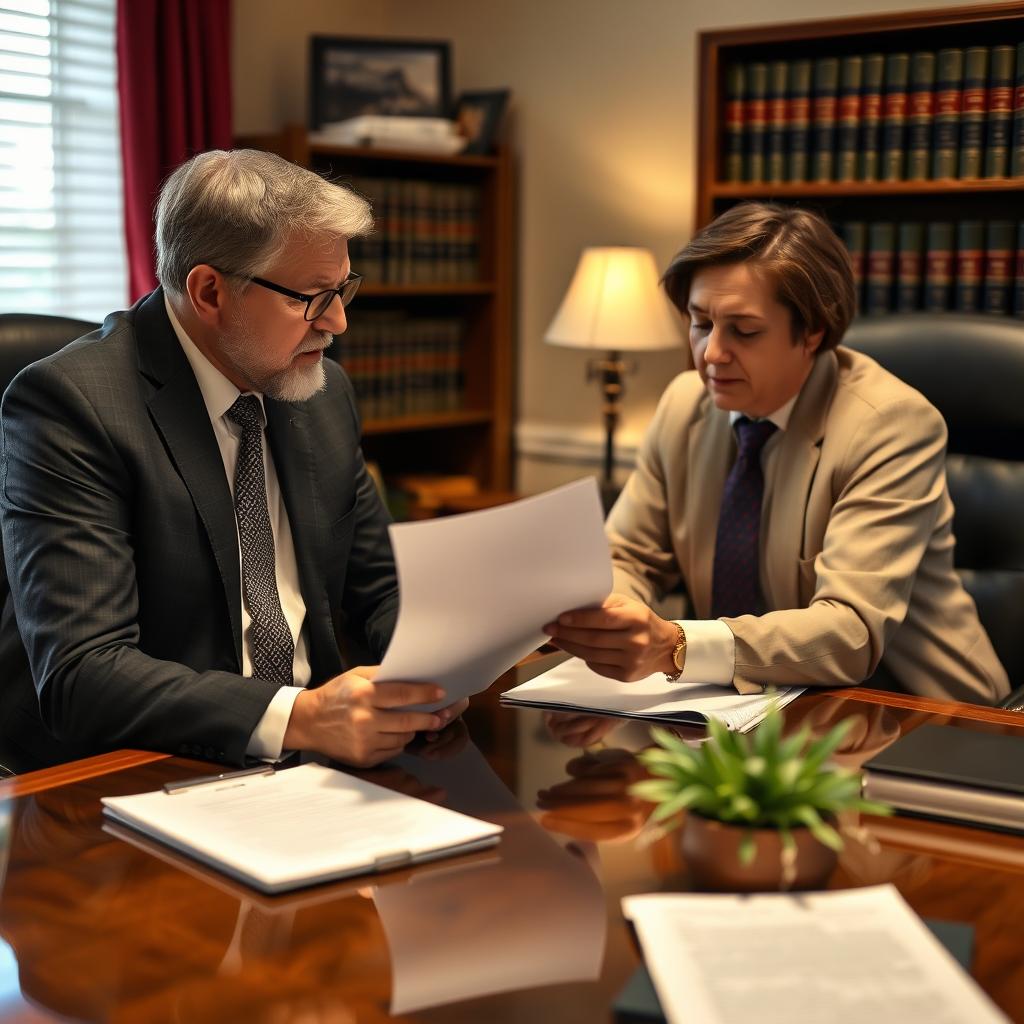
Alimony Enforcement Lawyer Fluvanna County, VA
Your divorce order says your former spouse must pay alimony each month. But the payments have stopped. You rely on that support to keep up with your mortgage, groceries, and other expenses. Now what do you do? In Fluvanna County, Virginia, the court has the power to enforce spousal support orders. If your ex isn’t following the court’s order, Mr. Sris and his Of Counsel can help you use the legal tools available under Virginia law to collect what you are owed. Call (888) 437-7747 to speak with an attorney about your alimony enforcement options. Law Offices Of SRIS, P.C. – Advocacy Without Borders.
How Alimony Enforcement Works in Fluvanna County
When a person who is ordered to pay spousal support falls behind, the receiving spouse can ask the court to enforce the order. The most common enforcement method is a rule to show cause — a court hearing where the paying spouse must explain to a judge why the payments were missed. If the judge finds that the failure to pay was willful, the court can hold the person in contempt. Contempt can result in jail time, fines, wage garnishment, or the issuance of a lien against the paying spouse’s property.
In Fluvanna County, alimony enforcement matters are handled by either the Juvenile and Domestic Relations District Court (if child support is also involved or for standalone support orders) or the Fluvanna County Circuit Court (if the alimony order was part of a final divorce decree). The courthouse is located at 72 Main Street, Suite B, Palmyra, VA 22963. Mr. Sris and his Of Counsel are familiar with the procedures and judges in both courts and can guide you through the process.
Virginia law does not set a fixed waiting period before you can file for enforcement. As soon as a payment is missed, you have the right to act. However, the longer you wait, the more difficult it may become to collect back support. Acting quickly can also prevent the paying spouse from hiding assets or moving away.
What to Expect When You Enforce Alimony in Fluvanna County
The enforcement process begins with filing a motion or petition with the court that issued the original order. You will need to present evidence that the support was ordered, that the payments were not made, and that the paying spouse had the ability to pay. Evidence can include bank statements, canceled checks, payment history from the Virginia Department of Social Services (if payments are processed through DCSE), and any correspondence where the spouse admits to not paying.
After the petition is filed, the paying spouse must be served with notice of the hearing. The court may issue a summons or you may need to use a private process server in the Palmyra area. At the hearing, the judge will hear from both sides and decide whether contempt has occurred. If the judge finds the payer in contempt, the court can impose sanctions and order a payment plan to catch up on arrears.
Mr. Sris and his Of Counsel can present your case at the hearing and argue that the non-payment was willful. If the payer claims an inability to pay, your lawyer can cross‑examine their financial evidence. Because the burden of proof is on the moving party, having experienced representation matters.
Potential Consequences for Non‑Payment of Alimony
A former spouse who willfully fails to pay court‑ordered alimony faces several possible consequences. The judge may impose a jail sentence for civil contempt — the person can be incarcerated until a certain amount of the arrears is paid. The court may also order wage garnishment, where the employer deducts support payments directly from the payer’s paycheck and sends the money to you. In addition, the judge may place a lien on the payer’s real estate or other assets, intercept tax refunds, or suspend the payer’s driver’s license or professional licenses.
In more serious situations, if the payer has left Virginia, the enforcement order can still be pursued under the Uniform Interstate Family Support Act (UIFSA). The court in Fluvanna County can work with courts in other states to collect payments. Mr. Sris and his Of Counsel are admitted to practice in multiple jurisdictions and can coordinate enforcement across state lines.
Remember: the goal is to get you the money you are entitled to — not just to punish the payer. Often, the threat of jail or license suspension is enough to get the person to agree to a payment plan. Mr. Sris and his Of Counsel will work with you to determine the enforcement strategy that will get results in your particular case.
Mr. Sris and His Of Counsel — Experienced Family Law Attorneys
Mr. Sris, the Owner and Founder of Law Offices Of SRIS, P.C., is a former prosecutor who has practiced law since 1997. His background in the courtroom gives him a thorough understanding of how judges evaluate testimony and evidence — a skill that applies directly to alimony enforcement hearings. Mr. Sris has handled family law matters in courts throughout Virginia, including Fluvanna County.
Mr. Sris is supported by a team of Of Counsel attorneys. Each Of Counsel brings decades of legal experience to the firm. Together, Mr. Sris and his Of Counsel represent clients in divorce, custody, support, and enforcement matters across Virginia, Maryland, the District of Columbia, New Jersey, and New York. When you hire Law Offices Of SRIS, P.C., you get the benefit of a team of attorneys who communicate with each other about your case. You are not handed off to a junior associate or legal assistant.
Call (888) 437-7747 to request a consultation about your alimony enforcement needs. We accept cases in Palmyra, Fork Union, Lake Monticello, and throughout Fluvanna County.
Frequently Asked Questions About Alimony Enforcement in Fluvanna County
1. What can I do if my ex stops paying alimony in Virginia?
You can file a motion for enforcement with the court that issued the original support order. A judge will then schedule a hearing to decide whether the payer is in contempt. If the payer is found to be willfully ignoring the order, the court can impose jail time, fines, wage garnishment, property liens, and other penalties. You should gather payment records and any communication from your ex about why they stopped paying, and contact an attorney immediately to start the process.
2. How does alimony enforcement work in Fluvanna County?
Enforcement starts when you file a petition in the Fluvanna County Juvenile and Domestic Relations Court or, if the order is part of a divorce decree, the Fluvanna County Circuit Court. After serving the other party with notice, a hearing is held where both sides present evidence. The judge reviews payment history and financial documents. If the court finds the payer willfully violated the order, it will issue an order compelling payment and may impose sanctions. The whole process typically takes several months depending on the court’s calendar.
3. Can I go to jail for not paying alimony in Virginia?
Yes — if a court finds you in civil contempt for willfully failing to pay court‑ordered alimony, you can be jailed. The jail term is coercive, meaning you may be released once you pay a certain amount toward the arrears. Criminal charges for non‑payment are less common. If you are unable to pay because of a genuine change in circumstances, you should petition the court for a modification rather than stop paying on your own.
4. What is contempt of court in an alimony case?
Contempt occurs when a person disobeys a court order, such as an order to pay spousal support. In alimony cases, the court will determine whether the non‑payment was willful — the payer had the ability to pay and chose not to. If contempt is proven, the court can impose remedies including jail, fines, and court costs. The goal of civil contempt is to force compliance, not to punish forever.
5. Do I need a lawyer for alimony enforcement?
While you can represent yourself, having an experienced family law attorney greatly increases your chance of collecting the money you are owed. The enforcement process requires filing court documents, serving the other party, gathering financial evidence, and presenting your case at a hearing. A lawyer can anticipate defenses — such as inability to pay or mistake — and cross‑examine the payer effectively. An attorney also handles negotiations to reach a payment agreement without a hearing.
6. How do I file for alimony enforcement in Fluvanna County?
Your attorney will prepare and file a motion with the court that issued the original order — the J&DR Court or Circuit Court in Palmyra. The motion explains the payments that were missed and asks the court to enforce the order. A filing fee applies; the amount varies depending on the type of motion. After filing, the other party must be officially notified. Your lawyer will track the hearing date and present the evidence of non‑payment to the judge.
7. What evidence do I need to show non‑payment of alimony?
You will need records showing the court ordered the payments and proof that the payments were not made. Bank statements showing no deposits, a log of missed payments, pay stubs showing no garnishment, and any text messages or emails from the payer admitting to not paying are all helpful. If payments were supposed to go through the state’s Division of Child Support Enforcement, you can request a payment history from that office.
8. Can wage garnishment be used to enforce alimony in Virginia?
Yes, Virginia courts can order the payer’s employer to withhold alimony from the payer’s wages and send the money directly to you. This is often one of the most effective enforcement tools because it takes the decision to pay out of the payer’s hands. The court must issue a wage assignment order after a hearing. If the payer is self‑employed or has irregular income, other collection methods — such as bank account levies — may be more appropriate.
9. What if my ex moved out of Virginia?
You can still enforce a Virginia alimony order even if the payer now lives in another state. The Uniform Interstate Family Support Act (UIFSA) allows the Fluvanna County court to work with courts in the state where the payer now resides. Your lawyer will file an interstate enforcement action, and the out‑of‑state court can apply wage garnishment, contempt, and other remedies. Because Mr. Sris and his Of Counsel practice in multiple states, they can coordinate enforcement efficiently.
10. Can alimony arrears be reduced or forgiven in Virginia?
Generally, past‑due alimony cannot be retroactively reduced or erased. Once a payment is missed, it becomes a vested right that the court will enforce. However, if you and the payer agree to a settlement — for example, accepting a lump sum for past arrears in exchange for stopping collection — the court may approve the agreement. You should never agree to forgive arrears without legal advice, because you may be giving up a significant amount of money.
11. What is the difference between alimony enforcement and modification?
Enforcement seeks to collect unpaid support under an existing order; modification seeks to change the amount of support going forward. If your ex claims a change in financial circumstances as the reason for non‑payment, you may need to address that claim through a separate modification action. Meanwhile, enforcement can still proceed to collect what is overdue. Mr. Sris and his Of Counsel handle both enforcement and modification, so you have one legal team for both issues.
12. How do I schedule a consultation about alimony enforcement in Fluvanna County?
Call Law Offices Of SRIS, P.C. at (888) 437-7747 to request a consultation. We will listen to the details of your situation, explain your enforcement options, and answer your questions. There is no obligation, and the call is confidential. Our Shenandoah Location serves clients in Palmyra, Fork Union, Lake Monticello, and all of Fluvanna County. Appointments are available by phone or in person.
Get Your Alimony Payments Back on Track
If you are owed court‑ordered alimony and your former spouse has stopped paying, you have the right to seek enforcement through the Fluvanna courts. Delaying only strengthens the payer’s position. Mr. Sris and his Of Counsel are ready to file the necessary motions and represent you at the contempt hearing. Call (888) 437-7747 today to schedule a consultation.
Related Family Law Resources
Family Law Lawyer Fairfax County, VA |
Family Law Lawyer Prince William County, VA |
Family Law Lawyer Richmond, VA
Virginia Primary Legal Resources
Virginia Code Title 20 — Domestic Relations |
Virginia Judicial System Courts
Shenandoah Location
505 N Main St, Suite 103
Woodstock, VA 22664
By appointment only. Call (888) 437-7747 to schedule.
Attorney advertising. Prior results do not guarantee a similar outcome. Results may vary.
Case results depend on a variety of factors unique to each case.