
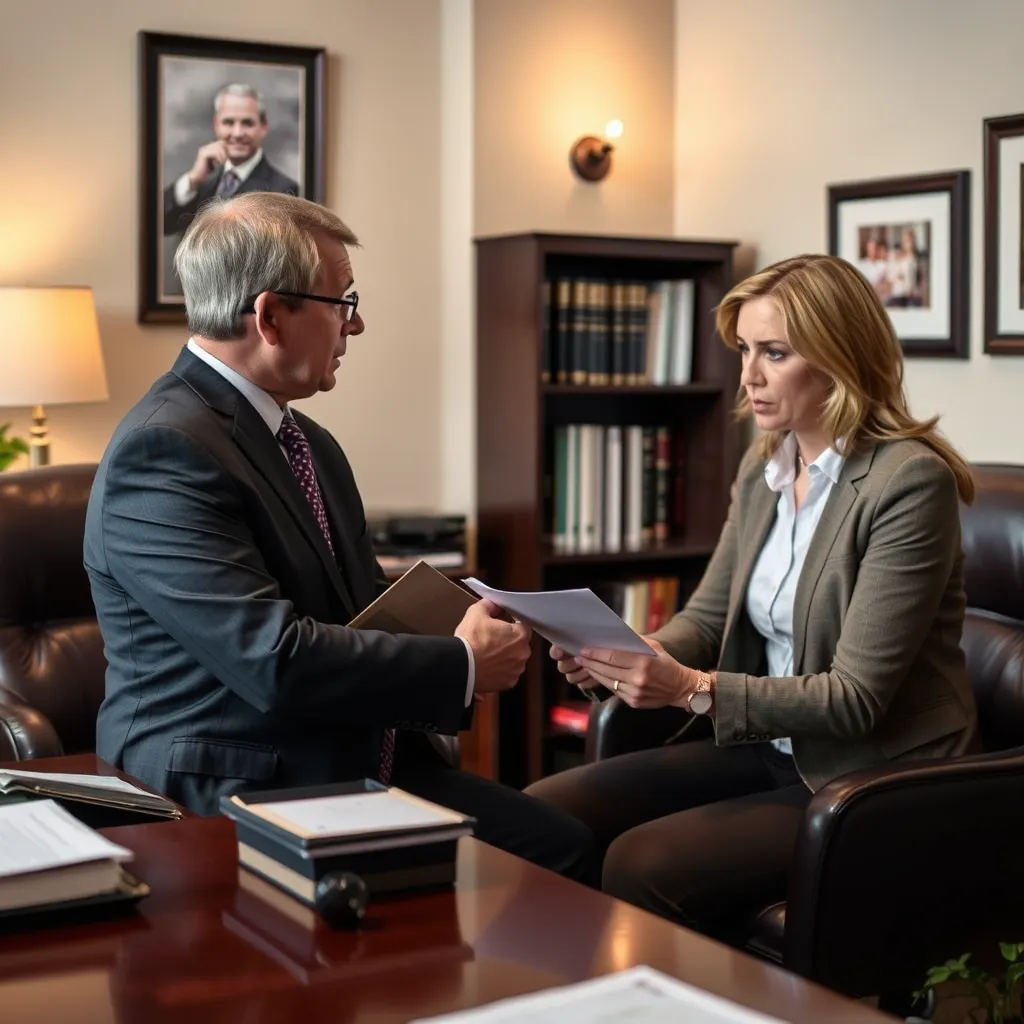
Note: This article is confirmed by Law Offices Of SRIS, P.C.
WRITTEN BY: Mr. Sris
Since 1997, Mr. Sris has led the firm, focusing on the most challenging criminal and family law cases. His background in accounting and information management aids in financial and technology-related cases. Involved in significant legislative changes in Virginia. Mr. Sris finds his background in accounting and information management provides a unique advantage when handling the intricate financial and technological aspects inherent in many modern legal cases.
Adoption Lawyer King George VA
What is adoption law services King George VA
Adoption law services in King George, Virginia address the legal framework for establishing parent-child relationships through adoption. These services encompass the complete legal process from initial consultation to final court approval. The legal work involves preparing and filing necessary documents, representing clients in court proceedings, and ensuring compliance with Virginia adoption statutes.
The adoption process typically begins with an initial assessment of the family’s situation and goals. Legal professionals review the specific circumstances and explain available options. They help families understand different adoption pathways, including agency adoptions, private adoptions, stepparent adoptions, and relative adoptions. Each type has distinct legal requirements and procedures that must be followed precisely.
Legal representation involves managing documentation requirements, which can include home study reports, background checks, financial disclosures, and medical records. Attorneys coordinate with adoption agencies, social workers, and other professionals involved in the process. They ensure all necessary paperwork is completed accurately and submitted within required timeframes. Court representation includes preparing for hearings and presenting evidence to support the adoption petition.
Legal strategies focus on addressing potential challenges that may arise during the adoption process. This includes handling objections from biological parents, addressing interstate adoption issues under the Interstate Compact on the Placement of Children, and managing post-placement requirements. Attorneys work to protect the rights of all parties involved while prioritizing the child’s best interests. Professional insight helps families understand legal timelines, costs, and potential obstacles.
How to work with adoption attorney King George VA
Working with an adoption attorney in King George, Virginia follows a structured approach to ensure legal compliance and successful outcomes. The process begins with scheduling an initial consultation where families can discuss their adoption objectives and concerns. During this meeting, attorneys evaluate the specific situation, explain relevant Virginia laws, and outline potential pathways forward based on the family’s circumstances.
The attorney-client relationship involves clear communication about expectations, timelines, and costs. Legal professionals provide detailed explanations of each step in the adoption process, from initial paperwork to final court hearings. They help families understand their rights and responsibilities under Virginia adoption law. Regular updates keep clients informed about progress and any developments that may affect their case.
Document preparation represents a significant portion of the legal work. Attorneys assist with completing adoption petitions, consent forms, home study documentation, and other required paperwork. They ensure all documents meet Virginia’s legal standards and are submitted to appropriate courts and agencies. Legal representation includes preparing for and attending all necessary court hearings, where attorneys present evidence and arguments supporting the adoption.
Effective legal management involves coordinating with adoption agencies, social workers, biological parents, and other parties. Attorneys facilitate communication while protecting client interests. They address any legal challenges that arise, such as contested adoptions or interstate complications. Professional guidance helps families handle emotional aspects while maintaining focus on legal requirements. The attorney’s role includes advocating for the family’s position throughout the process.
Can I complete adoption without legal help
The question of completing adoption without legal assistance requires careful consideration of Virginia’s legal requirements. While some individuals attempt independent adoptions, the challenge of Virginia adoption law makes professional guidance highly advisable. Adoption involves multiple legal steps that must be completed in specific sequence with precise documentation.
Virginia adoption statutes establish detailed requirements for petitions, consents, home studies, and court approvals. Each element must meet legal standards to be accepted by courts. Missing or incorrect documentation can result in delays, additional hearings, or denial of the adoption petition. Legal professionals understand these requirements and ensure all elements are properly addressed.
Common challenges in independent adoptions include improper service of legal documents, incomplete background checks, inadequate home study documentation, and failure to obtain necessary consents. These issues can significantly extend the adoption timeline or create legal vulnerabilities. Attorneys help identify and address potential problems before they become obstacles to adoption completion.
Legal representation becomes particularly important when complications arise, such as contested adoptions, interstate placements, or issues with biological parent rights. These situations require specific legal knowledge and court procedures. Professional guidance helps families understand their options and develop appropriate strategies. While some adoption types may seem straightforward, legal oversight ensures all requirements are met for a valid, permanent adoption.
Why hire legal help for adoption matters
Hiring legal help for adoption matters offers significant advantages for families pursuing adoption in Virginia. Professional legal assistance provides comprehensive support throughout the adoption journey, from initial planning to final court approval. This support helps families address the legal aspects of adoption with confidence and clarity.
Legal professionals bring specific knowledge of Virginia adoption laws and procedures. They understand the nuances of different adoption types and the requirements for each. This knowledge helps families choose the most appropriate adoption pathway for their situation. Attorneys explain legal concepts in understandable terms, helping families make informed decisions about their adoption plans.
The practical benefits of legal representation include efficient management of documentation requirements. Attorneys ensure all necessary forms are completed correctly and submitted on time. They coordinate with adoption agencies, social workers, and other professionals involved in the process. Court representation includes preparing for hearings, presenting evidence, and addressing any questions from judges. This comprehensive approach helps streamline the adoption process.
Legal assistance becomes particularly valuable when addressing challenges that may arise during adoption. This includes handling contested adoptions, managing interstate placement requirements, addressing birth parent rights issues, and responding to court inquiries. Attorneys develop strategies to address these challenges while protecting the family’s interests. Their experience helps anticipate potential issues and develop proactive approaches. Professional guidance provides families with reassurance during what can be an emotionally significant process.
FAQ:
What types of adoption does Virginia law allow?
Virginia law permits several adoption types including agency, private, stepparent, relative, and adult adoptions. Each has specific legal requirements that must be met.
How long does adoption typically take in Virginia?
Adoption timelines vary based on type and circumstances. Simple cases may take months while involved situations can require longer periods for completion.
What are home study requirements for adoption?
Home studies assess family suitability through interviews, home visits, background checks, and documentation review. Requirements vary by adoption type.
Can birth parents change their minds about adoption?
Virginia law establishes specific timeframes and procedures for birth parent consent revocation. Legal guidance helps understand these provisions.
What costs are involved in adoption?
Adoption costs include legal fees, agency fees, home study expenses, court costs, and other related expenses. Costs vary by adoption type.
Are there age requirements for adoptive parents?
Virginia generally requires adoptive parents to be adults, though specific age considerations may apply in certain adoption situations.
What happens during adoption court hearings?
Court hearings involve presenting evidence, testimony, and documentation to establish the adoption’s appropriateness. Judges review materials and make determinations.
Can same-sex couples adopt in Virginia?
Virginia law permits adoption by qualified individuals and couples regardless of sexual orientation, following established legal procedures.
What post-adoption services are available?
Post-adoption services may include record updates, name change documentation, and access to support resources for adoptive families.
How does interstate adoption work?
Interstate adoption involves compliance with the Interstate Compact on the Placement of Children, requiring approval from both sending and receiving states.
What if the biological father is unknown?
Virginia law establishes procedures for addressing unknown parentage situations, including notice requirements and legal determinations.
Can adoption be reversed after completion?
Virginia adoptions are generally permanent, though rare circumstances may allow legal challenges under specific conditions.
Past results do not predict future outcomes