
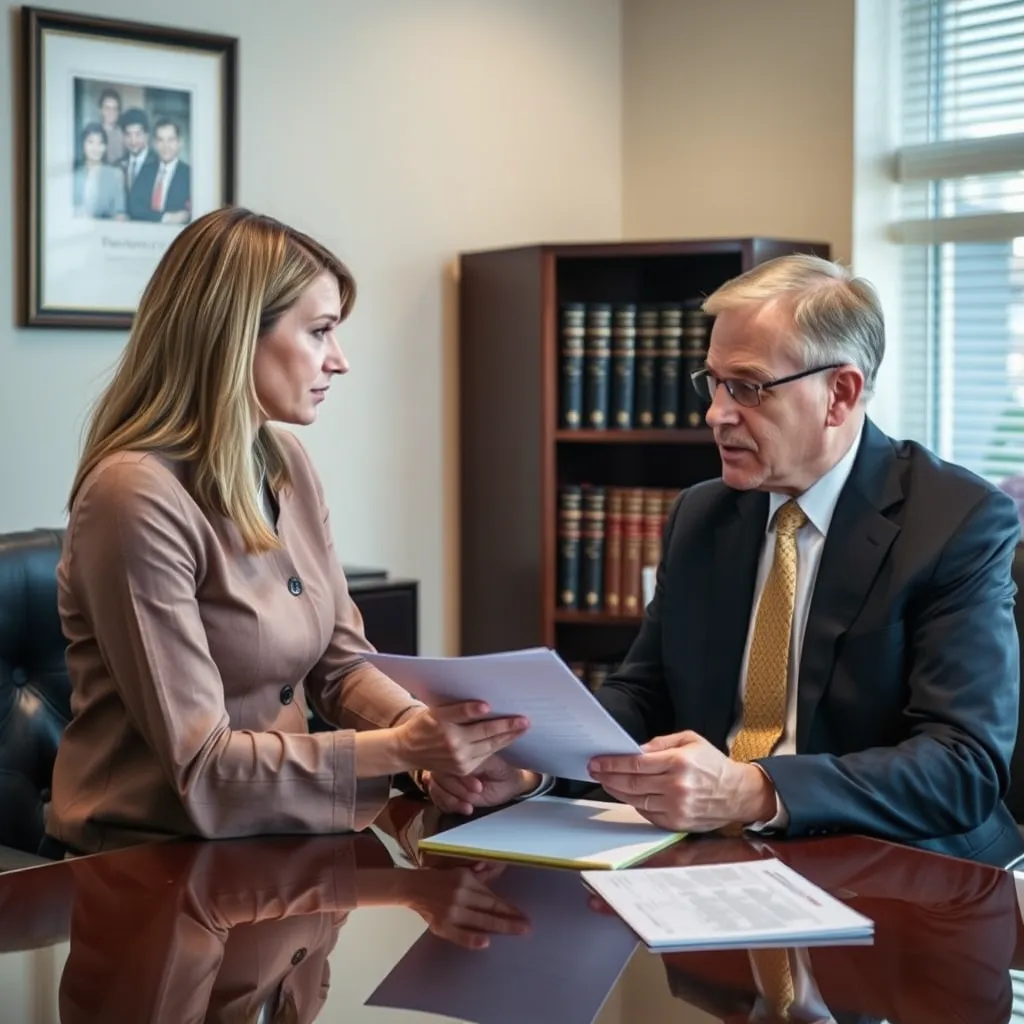
Note: This article is confirmed by Law Offices Of SRIS, P.C.
WRITTEN BY: Mr. Sris
Since 1997, Mr. Sris has led the firm, focusing on the most challenging criminal and family law cases… His background in accounting and information management aids in financial and technology-related cases… Involved in significant legislative changes in Virginia.
Insight: My focus since founding the firm in 1997 has always been directed towards personally handling the most challenging and involved criminal and family law matters our clients face.
Insight: I find my background in accounting and information management provides a unique advantage when handling the intricate financial and technological aspects inherent in many modern legal cases.
Insight: As someone deeply involved in the community, I believe it’s important to not only practice law but also to actively participate in shaping it, which is why I dedicated effort towards amending Virginia Code § 20-107.3 and achieving state recognition for cultural milestones.
Private Adoption Lawyer Arlington VA
What is Private Adoption
Private adoption represents a legal arrangement where birth parents and adoptive parents work directly together without agency intermediaries. This approach allows for more personalized arrangements while still requiring full compliance with Virginia adoption statutes. The process begins with initial agreements between the parties, followed by legal documentation that establishes the adoption plan.
Virginia law establishes specific requirements for private adoptions. These include mandatory consent forms from birth parents, comprehensive home studies for adoptive families, and background checks. The legal framework aims to protect the child’s best interests while ensuring all parties understand their rights and responsibilities. Proper documentation must be filed with the appropriate courts to initiate the adoption process.
Legal professionals help manage the step-by-step requirements. They prepare necessary paperwork, coordinate with social workers for home studies, and represent clients in court proceedings. The process includes filing petitions, obtaining consent documentation, and scheduling hearings. Each stage requires careful attention to detail and adherence to statutory deadlines.
Developing effective legal arguments involves understanding both family law principles and adoption regulations. Legal counsel helps address potential challenges such as consent revocation issues or interstate adoption complications. They work to establish clear legal pathways that protect the child’s welfare while respecting all parties’ rights. The goal is to create stable, legally sound family arrangements.
Professional insight comes from experience with Virginia adoption courts and procedures. Legal professionals understand local court requirements, judge preferences, and procedural nuances. This knowledge helps streamline the adoption process while anticipating potential obstacles. They provide guidance on practical matters like timing, documentation, and communication strategies.
How to Pursue Private Adoption
The process of pursuing private adoption follows a structured legal pathway. Initial consultation with legal counsel helps families understand requirements and expectations. During this phase, legal professionals explain Virginia adoption laws, discuss potential scenarios, and outline the overall timeline. This foundation helps families make informed decisions about proceeding with private adoption.
Action steps begin with comprehensive preparation. Legal counsel helps gather necessary documentation including financial records, background information, and personal references. They assist with preparing the adoption petition that will be filed with the court. Concurrently, arrangements are made for the required home study conducted by a licensed social worker or agency approved by Virginia courts.
The process continues with obtaining formal consents from birth parents. Legal professionals ensure these documents meet Virginia’s specific requirements regarding timing, content, and witnessing. They coordinate with birth parents’ legal representation when necessary and help manage communication between parties. Proper handling of consent documentation is vital for the adoption’s legal validity.
Defense options come into play if challenges arise during the process. Legal counsel can address issues like contested consents, interstate complications, or procedural objections. They develop strategies to protect the adoption’s progress while maintaining compliance with legal standards. This may involve court motions, additional documentation, or alternative approaches to resolve obstacles.
Authority in adoption matters comes from understanding both statutory requirements and practical court procedures. Legal professionals with experience in Virginia adoption courts know how to present cases effectively, respond to judge inquiries, and manage court scheduling. They provide realistic assessments of timelines and potential outcomes based on similar cases they’ve handled.
Can I Handle Private Adoption Without Legal Help
Understanding whether to handle adoption independently requires examining Virginia’s legal requirements. The state mandates specific forms, timelines, and procedures that must be followed exactly. These include consent documents that must meet statutory requirements, home studies conducted by approved professionals, and court petitions filed with proper jurisdiction. Each element has legal significance that affects the adoption’s validity.
Explanation of the risks involves recognizing potential consequences of errors. Incorrectly completed consent forms might be rejected by courts, delaying proceedings. Missing statutory deadlines could require restarting the entire process. Improper court filings might result in dismissal of the adoption petition. These issues can create emotional stress and financial costs for families.
Action steps for those considering self-representation should include thorough research of Virginia adoption statutes. Families would need to study Title 63.2 of the Virginia Code governing adoptions. They must understand local court rules, filing requirements, and hearing procedures. Practical considerations include obtaining proper forms, coordinating with social workers, and managing court communications.
Defense considerations become relevant when challenges arise. Without legal training, families may struggle to respond to court inquiries, objections from other parties, or procedural complications. They might not recognize when legal issues require specific responses or additional documentation. This lack of legal knowledge can put the entire adoption at risk if problems develop.
Professional insight emphasizes that adoption involves permanent legal relationships. Once finalized, adoptions establish parent-child relationships with all associated rights and responsibilities. Getting the legal foundation correct from the beginning helps ensure stability for the child and family. Legal professionals help anticipate issues before they become problems.
Why Hire Legal Help for Private Adoption
Legal assistance offers significant advantages in private adoption cases. Professionals bring knowledge of Virginia adoption statutes and local court procedures. They understand specific requirements for consent forms, home studies, and court petitions. This experienced lawyer helps families avoid common errors that could delay or jeopardize their adoption plans.
Explanation of benefits begins with procedural knowledge. Legal professionals know which forms to file, when to file them, and where to submit documentation. They understand court scheduling practices and can help manage timelines effectively. This knowledge streamlines the adoption process while reducing administrative burdens on families.
Action steps with legal support involve coordinated efforts. Attorneys work with social workers conducting home studies, help gather necessary documentation, and prepare families for court appearances. They manage communications with birth parents’ legal representation when needed and help address questions or concerns that arise during the process.
Defense options become more robust with professional representation. If challenges develop, legal counsel can respond appropriately with court motions, additional evidence, or alternative strategies. They understand how to present cases effectively to judges and can address procedural objections from other parties. This protection helps safeguard the adoption’s progress.
Authority in adoption matters comes from experience with similar cases. Legal professionals who regularly handle adoptions understand what courts expect, how judges evaluate cases, and what documentation carries the most weight. They provide realistic assessments of timelines and potential outcomes based on practical experience rather than theoretical knowledge.
FAQ:
What is private adoption?
Private adoption involves direct arrangements between birth and adoptive parents without agency involvement. Legal oversight ensures proper procedures are followed.
How long does private adoption take in Virginia?
The timeline varies but typically takes several months. Factors include court schedules, home study completion, and documentation processing.
What documents are needed for private adoption?
Required documents include consent forms, home study reports, background checks, financial statements, and court petitions. Legal guidance helps ensure proper preparation.
Can birth parents change their minds?
Virginia law allows limited time for consent revocation. Specific procedures and timelines apply to these situations.
What costs are involved in private adoption?
Costs include legal fees, court costs, home study fees, and medical expenses. Legal professionals provide cost estimates during initial consultations.
Do I need a home study for private adoption?
Yes, Virginia requires home studies for all adoptions. Licensed social workers conduct these evaluations of prospective adoptive homes.
Can I adopt from another state?
Interstate adoptions require compliance with the Interstate Compact on Placement of Children. Additional legal procedures apply to these cases.
What happens after adoption is finalized?
Court issues a new birth certificate with adoptive parents’ names. The adoption establishes permanent legal parent-child relationships.
Can single people adopt in Virginia?
Yes, Virginia allows single individuals to adopt. The same legal requirements and procedures apply to all prospective adoptive parents.
What if the birth father is unknown?
Legal procedures exist for situations involving unknown parentage. Courts require specific efforts to locate and notify potential fathers.
Are there age requirements for adoptive parents?
Virginia has no specific age limits for adoptive parents. Courts consider overall ability to provide care rather than chronological age.
Can same-sex couples adopt in Virginia?
Yes, Virginia law allows same-sex couples to adopt. The legal process follows the same procedures as for other adoptive families.
Past results do not predict future outcomes