
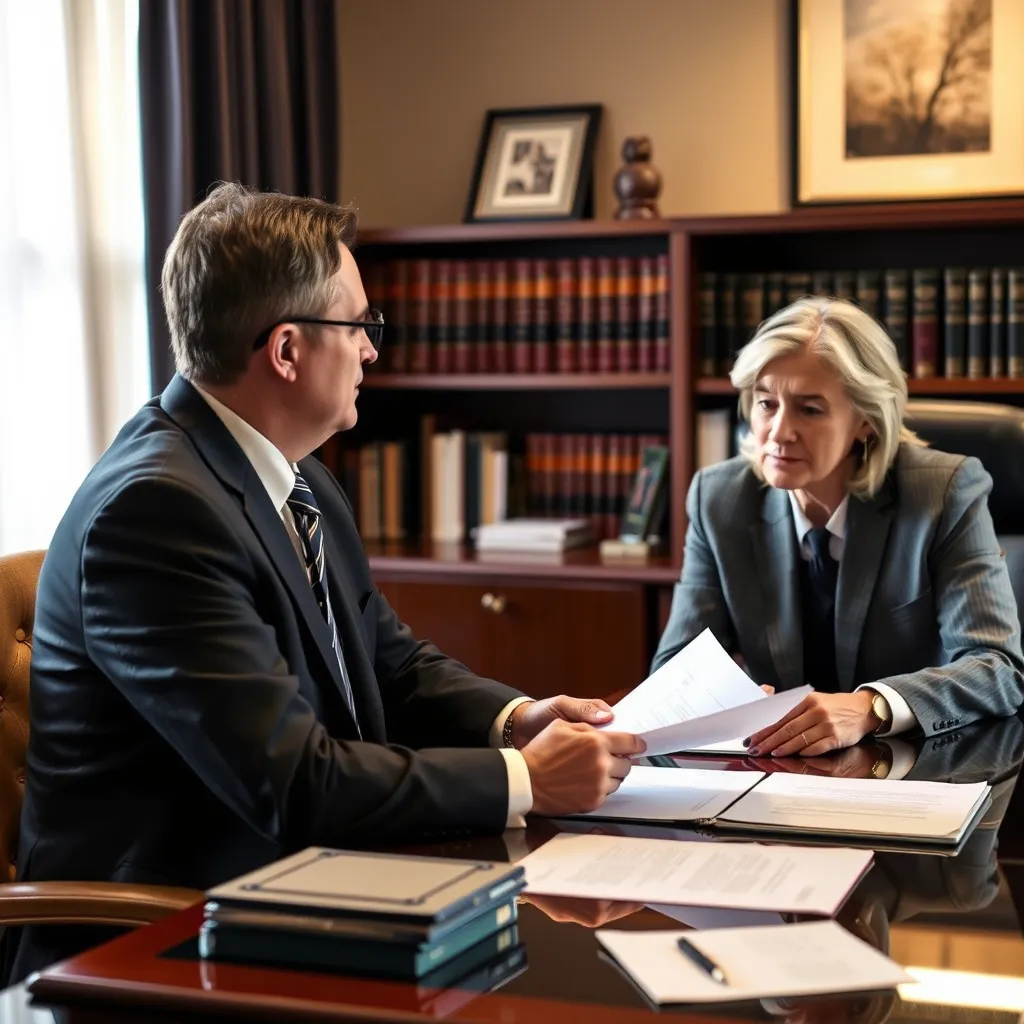
Rehabilitative Alimony Lawyer in Falls Church, VA
Divorce and separation are complex life events that require careful legal navigation. When considering the financial aspects of ending a marriage, one of the most critical components is determining spousal support, or alimony. If your goal following a divorce is to regain financial independence—to rebuild a career, pay down debt, or establish a stable income stream—you may be eligible for rehabilitative alimony. At Law Offices Of SRIS, P.C., we understand that every family’s financial narrative is unique, and the law must adapt to your specific needs. Our experienced family law defense practice provides comprehensive representation tailored to help you secure the support necessary for a successful transition back to self-sufficiency.
Falls Church, Virginia, like many communities in Northern Virginia, has unique family law dynamics. The laws governing alimony are designed not just to provide temporary relief but to facilitate long-term stability. Whether you are seeking to minimize payments or maximize support to ensure a sustainable future, our team is committed to advocating fiercely for your rights. We guide clients through the complexities of Virginia’s marital property and support statutes, ensuring that your legal strategy aligns with your financial goals.
What Exactly Is Rehabilitative Alimony?
Rehabilitative alimony is a form of spousal support designed to bridge the financial gap between the end of a marriage and the point at which the receiving spouse can become financially self-sufficient. Unlike permanent alimony, which may last for a fixed period or indefinitely, rehabilitative alimony is inherently goal-oriented: it supports the recipient while they actively work toward improving their earning capacity.
In essence, the court recognizes that the marriage may have caused a temporary economic dependency, and the support payments are structured to give the recipient time and resources—such as funds for education, job training, or starting a business—to achieve financial parity. This type of support is not merely charity; it is a judicial recognition of the need for a structured path back to economic stability. The duration and amount of rehabilitative alimony are highly dependent on several factors, including the length of the marriage, the disparity in income between the parties, and the specific steps the receiving spouse takes toward self-improvement.
What Factors Determine the Amount and Duration of Alimony?
Virginia law considers a wide array of factors when determining spousal support. These are not limited to just income disparity. The court looks at the entire picture of the marriage and the current financial reality. Key considerations include:
- Length of Marriage: Generally, longer marriages may warrant support for a longer duration.
- Income Disparity: The difference in earning capacity between the two parties is a primary factor.
- Standard of Living: The lifestyle maintained during the marriage often influences the support amount.
- Earning Capacity and Need: The court assesses the recipient’s current ability to work and their specific needs (e.g., medical expenses, educational costs).
- Marital Contributions: Non-monetary contributions, such as homemaking or raising children, are recognized and factored into the overall support calculation.
It is crucial to understand that these factors interact in complex ways. A skilled family law defense attorney will analyze your financial records, career history, and personal goals to build the strong case for the support structure that best serves your long-term interests.
How Does Rehabilitative Alimony Differ from Permanent Alimony?
Understanding the distinction between types of spousal support is vital. While both aim to provide financial stability, their underlying purpose and duration differ significantly.
Permanent vs. Rehabilitative Support
Permanent alimony (sometimes called long-term support) is typically awarded when the marriage was very long or if one spouse is unable to become self-sufficient due to age, disability, or other permanent factors. It aims to maintain a standard of living similar to the marital standard for an extended period.
Rehabilitative alimony, conversely, is inherently time-bound and conditional. It is tied directly to the recipient’s efforts. The court may structure the payments with specific milestones—for example, requiring the recipient to complete a degree or secure employment in a certain field before the support amount changes or ends. This focus on active improvement distinguishes it from permanent support.
The goal of rehabilitative alimony is not merely maintenance; it is empowerment. It provides the necessary resources and time for you to transition from dependency to self-reliance, making it a highly individualized legal remedy.
What Happens If I Disagree with the Alimony Award?
Disagreement over spousal support is common, but it does not mean the dispute must end in litigation. The process of challenging or modifying an alimony award requires careful legal strategy and adherence to Virginia’s procedural rules. If you believe the proposed support amount is inaccurate, or if your financial circumstances have changed since the initial decree, there are structured ways to address this.
First, gathering comprehensive documentation is paramount. This includes updated pay stubs, tax returns, records of educational enrollment, and any evidence of changes in employment status or income. Second, you must work with an attorney who can argue why the original factors—such as the length of the marriage or the earning capacity gap—have shifted. We frequently use mediation and negotiation strategies before resorting to litigation, as these methods are often faster, less costly, and allow for more creative, mutually acceptable solutions.
If negotiations fail, we are prepared to argue your case in family court, presenting evidence that demonstrates the current economic reality and advocating for a modification that reflects your true needs and potential. Our comprehensive divorce lawyer Falls Church VA services cover every aspect of this dispute.
Can I Use My Alimony to Pay Off Debt?
This is a critical question, and the answer depends heavily on the specific terms outlined in your divorce decree. Generally, spousal support payments are intended for living expenses, educational costs, or vocational training—the things necessary to rehabilitate your finances. Using those funds to pay off unrelated debt might be viewed by the court as a misuse of resources.
However, if the original decree explicitly allows the use of support funds for specific debts (such as student loans required for career advancement), then it may be permissible. You must review your legal documents meticulously and consult with an attorney who can interpret the language of the decree in light of current Virginia law. Never assume; always seek professional legal counsel.
Where Can I Find a Rehabilitative Alimony Lawyer Near Falls Church?
When facing the emotional and financial stress of divorce, selecting the right legal advocate is perhaps the most important decision you will make. You need an attorney who not only understands the law but also possesses the empathy and strategic acumen to guide you through this difficult process. Our practice is dedicated to serving the Falls Church community, providing local knowledge combined with extensive experience in complex family law matters.
We are available to meet with clients across the region, ensuring that you receive individual case review from day one. Don’t navigate the complexities of spousal support alone. Contact Law Offices Of SRIS, P.C. Today to schedule a confidential consultation and begin building your path toward financial independence.
How Mr. Sris and the Firm’s Of Counsel Attorneys Handle Rehabilitative Alimony Cases in Falls Church
The process of establishing or modifying rehabilitative alimony is highly fact-specific, requiring a deep dive into financial records, career trajectories, and the unique economic history of the marriage. Our approach begins with a comprehensive financial audit. We work with you to gather every piece of documentation—from W-2s and tax returns to educational transcripts and debt statements—to build a complete picture of your current and potential earning capacity. This detailed analysis allows us to model various support scenarios, helping you understand what is legally achievable and what is strategically advisable.
When advocating for rehabilitative alimony in the Falls Church area, we focus on demonstrating not just your need, but your potential. We work with the court to establish clear, measurable milestones. For example, if a client needs time to complete a specialized certification, we structure the support payments to cover tuition and living expenses during that period. This strategic approach ensures that the support is viewed by the judge as an investment in your future, rather than merely a continuation of past dependency. Our team’s experience allows us to weave these complex financial arguments into a cohesive narrative that supports your long-term self-sufficiency.
About Mr. Sris and the Firm’s Of Counsel Attorneys
Law Offices Of SRIS, P.C. has built its reputation on providing authoritative, results-driven representation in complex family law matters. Mr. Sris, Owner and Founder, brings decades of experience to every case. As a former prosecutor, he possesses a unique understanding of legal procedure and courtroom dynamics, which is invaluable when navigating the contentious nature of divorce proceedings. He has been admitted to practice in Virginia, Maryland, the District of Columbia, New Jersey, and New York, allowing him to provide counsel across multiple jurisdictions.
The firm’s Of Counsel attorneys are a network of experienced, independent legal professionals who augment our capabilities, ensuring that clients receive specialized experience regardless of the complexity or jurisdiction of their case. We maintain a commitment to rigorous legal standards and client advocacy. Whether you need help with rehabilitative alimony, property division, or any other aspect of family law, our combined experience ensures that your case is handled by the most qualified legal team available in the region.
Ready to Discuss Your Alimony Options?
The financial implications of divorce are overwhelming. Do not face this process alone. Contact Law Offices Of SRIS, P.C. Today for a confidential consultation. We are here to guide you toward stability and independence.
(888) 437-7747
By appointment only. Serving Falls Church, VA, and surrounding areas.
Frequently Asked Questions About Rehabilitative Alimony
What is the difference between spousal support and child support?
Child support is specifically calculated to cover the needs of minor children (food, shelter, education). Spousal support (alimony) is designed to support one spouse based on the economic disparity created by the marriage. While both are forms of court-ordered financial support, they address different needs.
Does rehabilitative alimony last forever?
No. The core purpose of rehabilitative alimony is to be temporary and conditional. It is designed to provide the necessary time and resources for the receiving spouse to become financially self-sufficient, after which the support is expected to terminate or be significantly reduced.
Can I negotiate a modified alimony agreement?
Yes. Most divorce decrees contain provisions allowing for modification of support if there is a substantial change in circumstances—such as a major increase in income, a job loss, or the birth of a child. This process requires legal action and careful evidence.
Are there tax implications for rehabilitative alimony?
The tax treatment of spousal support is governed by federal law and can be complex. Historically, alimony payments were taxable, but recent changes have altered this. It is essential to consult with a tax professional who understands the specific terms of your divorce decree.
What if I lose my job after the divorce?
A job loss constitutes a significant change in circumstances. If you experience unemployment, it is crucial to notify your attorney immediately. The court may temporarily adjust or suspend support payments while you actively seek new employment and demonstrate efforts to rebuild your income.
Do I need to prove I am trying to improve my finances?
Yes, in most cases involving rehabilitative alimony, the court expects evidence of effort. This could include proof of enrollment in a degree program, certification courses, or job applications, demonstrating that you are actively working toward self-sufficiency.
Can I get rehabilitative alimony if I was the primary earner during the marriage?
While the general trend is for support to favor the lower-earning spouse, the court considers all factors. If you were the primary earner but faced a career setback or required time off for family care, an attorney can argue that your current circumstances warrant temporary rehabilitative support.
How long does the process of modifying alimony take?
The timeline varies greatly depending on whether the case is settled through mediation or requires full litigation. Simple modifications might take a few months, but complex disputes involving multiple jurisdictions and assets can take over a year.
Don’t Delay Your Financial Future
The legal process surrounding alimony is intricate and emotionally taxing. Our experienced team at Law Offices Of SRIS, P.C. provides the strategic guidance necessary to protect your financial interests in Falls Church, VA. Call (888) 437-7747 today to schedule your confidential consultation.
Case results depend on a variety of factors unique to each case.
Attorney advertising. Prior results do not guarantee a similar outcome.