
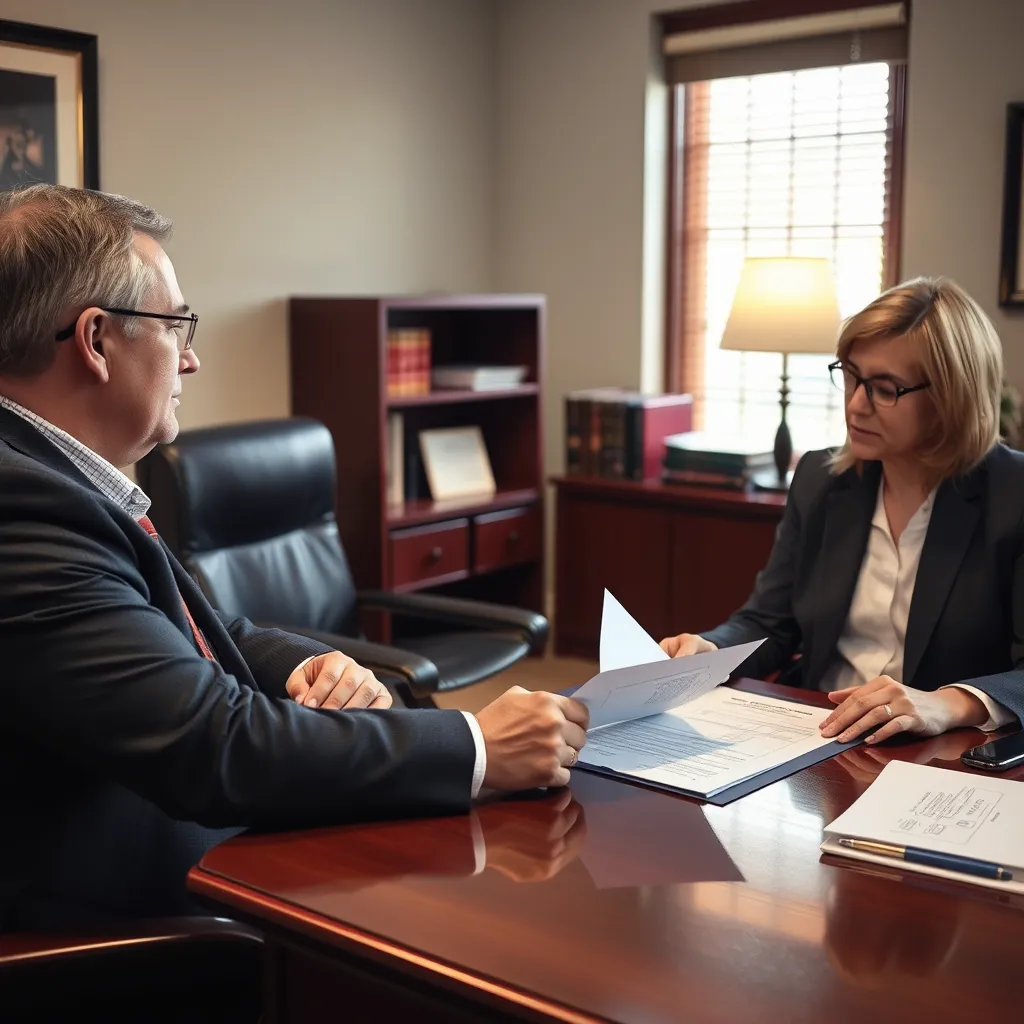
Separation Lawyer Falls Church, VA
You’ve been married for years, but something has shifted. The house on West Street feels smaller. The morning coffee is silent. You and your spouse agree: it’s time to separate. But what does that actually mean in Falls Church, Virginia? Does one of you move out? Who pays the mortgage? What about the children’s school on South Maple Avenue? These questions keep you awake — and you know you need answers from a lawyer who handles separation cases near Falls Church. Law Offices Of SRIS, P.C. represents clients through every stage of separation in Falls Church, from the first conversation about a trial separation to a fully drafted separation agreement. Call (888) 437-7747 to request a consultation. Law Offices Of SRIS, P.C. – Advocacy Without Borders.
Options When You Decide to Separate
Separation in Virginia is not a one-size-fits-all process. Some couples need a formal separation agreement that resolves property, debt, custody, and support before they ever set foot in a courtroom. Others begin with a trial separation — a period of living apart without legal filings, often to determine whether divorce is the right next step. In every case, having a written agreement protects you from later disputes over who owns the retirement account, who pays the car loan, and where the children spend holidays.
Virginia law gives you several pathways. A separation agreement, recognized under Va. Code § 20-109, settles all issues between you and your spouse and serves as the foundation for an uncontested divorce later. If you need court intervention before a divorce is final, the Falls Church Juvenile and Domestic Relations District Court can address custody, visitation, and child support, while the Falls Church Circuit Court at 300 Park Avenue handles equitable distribution and spousal support. Mr. Sris and the firm’s Of Counsel attorneys help clients choose the option that matches their family’s needs — and then draft the documents to make it enforceable.
What to Expect When You Begin the Separation Process
The first step is usually a conversation with a separation lawyer to map out what matters most to you: the children, the house, your financial future. From there, you and your attorney identify the goals of the separation. Do you need a legally binding separation agreement now, or are you gathering information for a potential divorce complaint? Do you require pendente lite relief — a court order for temporary support, exclusive possession of the family home, or a custody schedule — while you live apart?
If you file for temporary relief, the Falls Church Juvenile and Domestic Relations District Court schedules a hearing on its calendar. The timeline for a final separation agreement depends on cooperation between the parties and the complexity of your assets. Some agreements are negotiated and signed within weeks; others take longer when there are business interests, retirement accounts, or a family home in the City of Falls Church. Mr. Sris and the firm’s Of Counsel attorneys handle both straightforward and highly complex marital estates, ensuring your agreement is thorough and enforceable.
Throughout the process, you control the pace. Many couples never go to court at all — a comprehensive separation agreement, signed by both parties and notarized, becomes a binding contract under Virginia law and often eliminates the need for contested litigation.
What Happens If You Don’t Have a Written Separation Agreement?
Without a written separation agreement, you have no contract to enforce. The informal arrangement — “I’ll pay the mortgage; you keep the car” — can unravel the moment one party changes their mind. You may face a contested divorce, where a judge makes decisions about your children, your property, and your support obligations. That litigation is expensive, time-consuming, and emotionally draining.
Virginia is an equitable distribution state. If your informal separation leads to divorce, a Falls Church Circuit Court judge will classify all assets as marital or separate, value them, and divide them based on the eleven factors in Va. Code § 20-107.3. The outcome may not be what you expected. A separation agreement, in contrast, lets you and your spouse control those decisions yourselves — not a judge who knows your family for a few hours in a courtroom.
Meet the Separation Attorneys at Our Firm
Mr. Sris, Owner and Founder of Law Offices Of SRIS, P.C., has practiced family law since 1997. He is admitted in Virginia, Maryland, the District of Columbia, New Jersey, and New York, and represents clients in separation and divorce matters throughout Northern Virginia, including the Falls Church community. A former prosecutor, Mr. Sris brings a meticulous approach to drafting separation agreements — leaving no contingency unaddressed.
The firm’s Of Counsel attorneys expand the depth of legal experience available to every client. They have backgrounds in family law, business valuation, and custody litigation, giving you access to a multi-attorney team without the expense of a large firm. Together, Mr. Sris and the firm’s Of Counsel attorneys work to secure agreements that protect your rights and serve as a solid foundation for your next chapter.
Frequently Asked Questions About Separation in Falls Church
Do I need a written separation agreement in Virginia?
A written separation agreement is not required by law, but it is the most effective way to protect your property and parenting rights during separation. Without a signed agreement, your informal arrangement has no legal force. A properly drafted separation agreement addresses property division, spousal support, child custody, visitation, and child support, and it resolves all outstanding issues between you and your spouse. Once signed and notarized, it becomes a binding contract under Va. Code § 20-109 and can be incorporated into a final divorce decree.
How long must we be separated before we can divorce in Virginia?
If you have no minor children and a signed separation agreement, you may be eligible for a no-fault divorce after six months of separation. Otherwise, a one-year separation period applies (Va. Code § 20-91(9)). The separation must be continuous and you must live apart, with at least one spouse having the intent to end the marriage. A separation agreement is not required for the one-year ground, but it often simplifies the divorce process significantly.
Can we live under the same roof and still be legally separated?
Virginia law requires that the parties live “separate and apart,” which generally means under different roofs. There are limited exceptions, such as when financial necessity forces you to remain in the same house, but you must be living substantially separate lives — no shared bedroom, no marital relations, separate finances. This is a fact-intensive question, and the burden of proof is on the party asserting separation. An experienced separation attorney can evaluate whether your living arrangement meets the legal standard.
What issues should a separation agreement cover?
A comprehensive separation agreement should address property division, debt allocation, spousal support, child custody, visitation, and child support. It can also cover the disposition of the family home, retirement accounts, tax filing status, health insurance, and attorney fees. The goal is to leave no issue unresolved so that, if you later seek an uncontested divorce, the court has nothing left to decide. A well-drafted agreement anticipates future events, such as a change in income or a child reaching majority.
Can a separation agreement be changed later?
Yes, a separation agreement can be modified, but only if both parties agree in writing, or if the agreement itself contains a mechanism for modification. A court will enforce the agreement as written unless there is evidence of fraud, duress, or unconscionability at the time of signing. Child custody and support provisions, however, are always subject to court modification based on the best interests of the child, even if the parties agreed otherwise.
What if my spouse refuses to sign a separation agreement?
If your spouse will not sign a separation agreement, you can still proceed with a separation and ultimately a divorce, but you may need court intervention to resolve disputed issues. You can file for a contested divorce and ask the Falls Church Circuit Court to decide property division, support, and custody. The lack of an agreement does not prevent the divorce; it simply means the judge — not you and your spouse — will make the final decisions.
Is mediation required before a separation agreement?
No, Virginia does not require mediation before a separation agreement, but many couples find it helpful. Mediation is a voluntary process where a neutral third party helps you and your spouse negotiate the terms of your separation. It can be less adversarial and less expensive than litigation. If you reach an agreement in mediation, your attorney can draft it into a formal separation agreement to file with the court.
Internal links:
- Fairfax County Family Law Resources
- Fairfax City Family Law
- Prince William County Family Law
- Manassas Family Law
- Manassas Park Family Law
Authoritative Virginia resources:
- Falls Church Combined Courts — General District and Circuit
- Virginia Code Title 20 — Domestic Relations
For a full statutory breakdown of Virginia divorce and separation law, see our comprehensive analysis on srislawyer.com.
Take the Next Step
Whether you need a separation agreement drafted, enforcement of an existing agreement, or guidance on whether separation is the right move for your family, Mr. Sris and the firm’s Of Counsel attorneys are prepared to help. Contact Law Offices Of SRIS, P.C. at (888) 437-7747 to schedule a consultation. Callers from Falls Church and surrounding communities reach our Fairfax location by appointment.
Attorney advertising. Prior results do not guarantee a similar outcome.
Case results depend on a variety of factors unique to each case.