
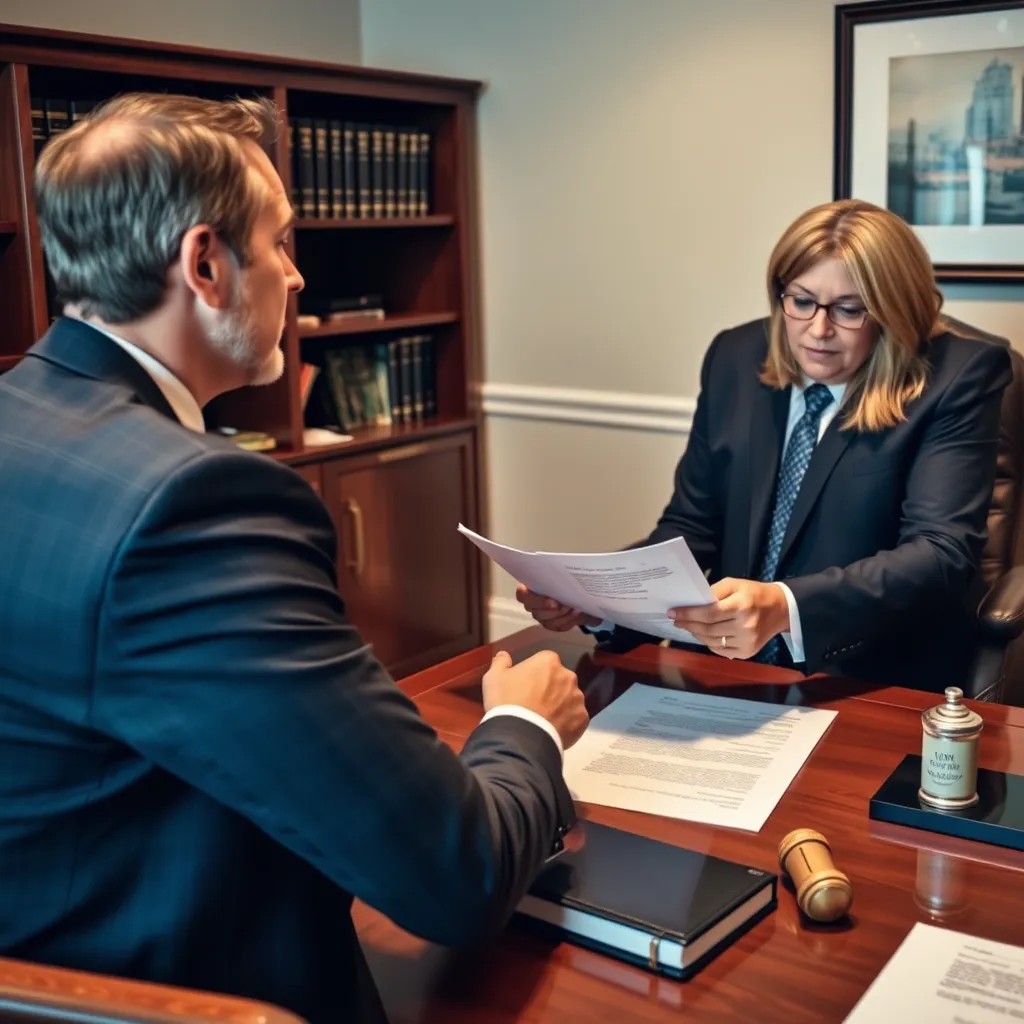
Out Of State Divorce Enforcement Lawyer Poquoson, VA
You hold a divorce decree issued by a court in another state, but your former spouse lives in Poquoson, Virginia, and is ignoring its terms. The property division, spousal support, or child support obligations set out in that out‑of‑state order are not self‑executing here. Enforcing a foreign divorce decree in Virginia requires taking active legal steps through the Poquoson‑area courts—and the process is different from initiating a new divorce case. Mr. Sris and the firm’s Of Counsel attorneys handle out‑of‑state divorce enforcement matters for people in Poquoson, the Virginia Peninsula, and across the Commonwealth. Reach Law Offices Of SRIS, P.C. at (888) 437‑7747 to schedule a consultation about your enforcement needs. Law Offices Of SRIS, P.C. – Advocacy Without Borders.
How Out‑Of‑State Divorce Enforcement Works in Poquoson, Virginia
Virginia courts recognize valid divorce decrees from other states under the full‑faith‑and‑credit principles of the U.S. Constitution and federal law. The practical question, though, is getting that decree into the Virginia court system so that it can be enforced as a binding judgment here. That step often involves filing a petition to domesticate or register the foreign decree in the Poquoson Circuit Court, which handles divorce‑related enforcement actions in Poquoson and the surrounding Eighth Judicial District. Once the decree is domesticated, it carries the same weight as a Virginia judgment, and the court can use its contempt powers, wage‑withholding orders, property liens, and other enforcement tools to compel compliance.
Out‑of‑state divorce enforcement becomes necessary when your former spouse has relocated to Virginia and you need to compel payment of alimony, division of retirement accounts, or enforcement of a property settlement. Alternatively, you may have moved to Poquoson yourself and now need a local court to enforce a decree that was entered elsewhere. Because different states often use different terminology and property‑division frameworks, presenting a clear record of the out‑of‑state judgment and any supporting documentation is critical. The firm’s attorneys are experienced in navigating the procedural requirements of Virginia’s enforcement mechanisms while working toward a practical resolution that protects your rights.
The Poquoson Circuit Court, located at 500 City Hall Avenue, is the appropriate venue for most enforcement proceedings. The firm appears regularly in that court and understands the local practice expectations that can affect how quickly an enforcement matter moves forward. Whether your case calls for requesting a rule to show cause, seeking a judgment for arrears, or petitioning for income‑deduction orders, Mr. Sris and the firm’s Of Counsel attorneys focus on building a record that positions the matter for effective relief.
Frequently Asked Questions
What does an out‑of‑state divorce enforcement lawyer do in Poquoson, Virginia?
An out‑of‑state divorce enforcement lawyer helps you domesticate a divorce decree from another state and then use Virginia court powers to enforce its terms. This includes filing the proper pleadings in the Poquoson Circuit Court, presenting a certified copy of the out‑of‑state decree, and, if necessary, pursuing contempt proceedings, garnishments, or property liens to compel the other party to comply. The lawyer also addresses any jurisdictional challenges that may arise when the opposing party claims Virginia is not the proper forum. Every step is guided by Virginia procedural rules and the substantive law of the state that issued the decree.
Do I need a lawyer to enforce an out‑of‑state divorce decree in Poquoson?
You are not required to have a lawyer, but the procedural demands of domestication and enforcement make self‑representation difficult for most people. Virginia courts apply specific evidentiary requirements for proving the validity of an out‑of‑state decree, and enforcement remedies often require adherence to strict notice and pleading rules. An attorney who regularly practices in the Poquoson Circuit Court can streamline the process, anticipate opposing arguments, and present the matter in the way the court expects. Without legal guidance, missed deadlines or incomplete filings can delay enforcement significantly.
How is an out‑of‑state divorce decree enforced when one spouse lives in Poquoson?
Enforcement begins by filing a petition or motion in the Poquoson Circuit Court that asks the court to recognize the out‑of‑state decree and enter an order enforcing it. Once the decree is domesticated, the court can use all standard Virginia enforcement tools, such as issuing a rule to show cause, entering a judgment for unpaid alimony, ordering income withholding, placing liens on property, or finding the non‑compliant spouse in contempt. The specific remedy pursued depends on the nature of the violation—whether unpaid support, failure to transfer property, or refusal to comply with a pension division order—and on the financial circumstances of the parties.
What if my out‑of‑state divorce decree includes child custody or visitation provisions?
Custody and visitation provisions from out‑of‑state decrees are registered and enforced through the Juvenile and Domestic Relations District Court, not the Circuit Court. Virginia follows the Uniform Child Custody Jurisdiction and Enforcement Act (UCCJEA), which governs which state has jurisdiction and how out‑of‑state custody orders are recognized. Enforcement of parenting time or modifications to an existing custody order require their own proceedings, separate from the financial enforcement handled in Circuit Court. The attorneys at the firm can help identify the correct court and filing strategy for both financial and custody‑related enforcement needs in Poquoson.
Can I collect unpaid alimony from an out‑of‑state decree in Virginia?
Yes, unpaid alimony can be collected once the decree is domesticated in Virginia, and the Poquoson Circuit Court may enter a judgment for arrears. Virginia law allows for wage garnishment, bank levies, and other collection remedies to recover past‑due support. The court may also award interest on unpaid amounts, and in appropriate cases, it can hold the delinquent spouse in contempt, which can result in additional sanctions. Collecting arrears often requires prompt action and careful documentation of the payment history and any violations, and an experienced enforcement attorney can present that evidence effectively.
How long does enforcement of an out‑of‑state divorce decree take in Poquoson?
The time required depends on the complexity of the case, the degree of cooperation from the other party, and the court’s calendar. If the decree is uncontested, domestication may be resolved within a few months. Contested enforcement matters, particularly those involving significant arrears or disputed property transfers, can take longer because they may require hearings, discovery, and sometimes multiple court appearances. The firm works to move the matter forward efficiently while building a strong record that supports the enforcement claim.
What happens if my former spouse contests the enforcement action?
A contested enforcement action becomes more involved and may require evidentiary hearings and legal briefing before the judge. The opposing party might argue that the out‑of‑state decree is not valid, that Virginia lacks personal jurisdiction, or that compliance has already occurred. In those situations, the enforcement lawyer must present certified copies of the original decree and any relevant court orders, and may need to call witnesses or submit sworn statements. The firm prepares enforcement cases for the possibility of a contested hearing from the outset, ensuring that the legal foundation is solid whether the matter resolves by agreement or goes before the court.
Are there filing fees or court costs for enforcement in Poquoson?
Filing fees and standard court costs apply to enforcement petitions in the Poquoson Circuit Court, and they vary based on the type of relief requested. Fees are paid to the clerk at the time of filing, and additional costs may arise if you need to serve the other party through a private process server or if the court appoints a commissioner in chancery. The firm provides information on anticipated costs during the initial consultation so that you can make informed decisions about how to proceed.
Can Law Offices Of SRIS, P.C. help if I live in another state but my spouse lives in Poquoson?
Yes, the firm regularly represents out‑of‑state clients who need to enforce a divorce decree against a spouse residing in Poquoson or elsewhere in Virginia. The enforcement proceeding is filed in the Virginia court where the respondent lives, so you do not need to travel to Virginia to participate. The firm’s attorneys can handle the matter on your behalf, communicating with you by phone and email throughout the process. This arrangement avoids the need for you to incur travel expenses while still ensuring your rights are protected in the Virginia courts.
What should I bring to a consultation about out‑of‑state divorce enforcement?
Bring a certified copy of the out‑of‑state divorce decree, any subsequent modification orders, and any correspondence from the other party about the violation. If you have documentation showing missed payments, property that was not transferred, or other breaches, bring those records as well. Additionally, any information about the opposing party’s current address and employment in Poquoson helps the firm evaluate the most effective enforcement strategy and anticipate jurisdictional issues.
How do I start the enforcement process in Poquoson, Virginia?
Start by reaching Law Offices Of SRIS, P.C. at (888) 437‑7747 to schedule a consultation. During that conversation, you will discuss the specifics of your out‑of‑state decree, the nature of the non‑compliance, and the enforcement goals. The firm then determines the appropriate filing strategy, prepares the petition for domestication or registration, and takes the steps necessary to bring the matter before the Poquoson Circuit Court. Prompt action helps preserve your rights and avoids further accumulation of unpaid sums or dissipation of assets.
About Mr. Sris and the Firm’s Of Counsel Attorneys
Mr. Sris, Owner and Founder of Law Offices Of SRIS, P.C., concentrates his practice on family law matters in Virginia. He is a former prosecutor and has testified before the Virginia House Courts of Justice Committee in support of 2019 HB 635 (chief patron Del. David Bulova). Mr. Sris and the firm’s Of Counsel attorneys bring extensive collective experience to enforcement proceedings, working to secure meaningful relief for clients through the Poquoson Circuit Court. The firm has been serving clients across Virginia since 1997 and is available by appointment at (888) 437‑7747. Results may vary.
To discuss your matter with Mr. Sris and the firm’s Of Counsel attorneys, contact Law Offices Of SRIS, P.C. at (888) 437‑7747 to schedule a consultation.
Mr. Sris testified before the Virginia House Courts of Justice Committee in support of 2019 HB 635 (chief patron Del. David Bulova).
Source: Virginia Legislative Information System. HB 635 summary
Reviewed by Mr. Sris, admitted in VA/MD/DC/NJ/NY.
Learn more about family law in Virginia:
Fairfax County family law attorney |
Prince William County family law representation |
Fairfax City divorce and enforcement lawyer |
Falls Church family law matters
For a full statutory analysis of Virginia divorce enforcement, see our comprehensive overview at srislawyer.com.
Virginia court resources: Poquoson Circuit Court | Virginia Code Title 20 (Domestic Relations)
Attorney advertising. Prior results do not guarantee a similar outcome. Results may vary.
Case results depend on a variety of factors unique to each case.