
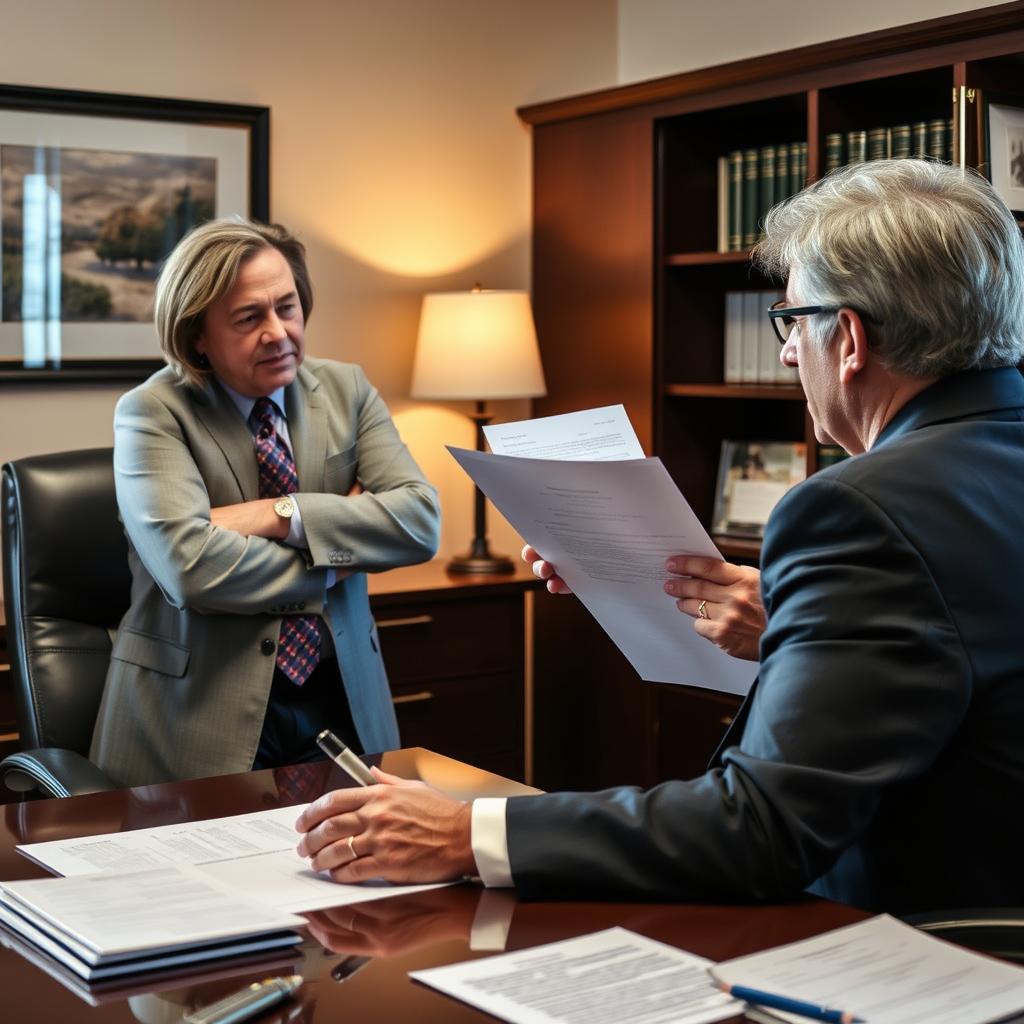
Separation Agreement Lawyer Caroline County, VA
When you and your spouse decide to live apart, you want security and clarity — without a lengthy court battle. A separation agreement can resolve all the important details: property division, support, and custody. In Caroline County, Virginia, Law Offices Of SRIS, P.C. helps you and your spouse turn your understanding into a legally enforceable document that protects both of you. Call (888) 437-7747 to discuss your agreement.
Your Strategy Options for a Separation Agreement
A separation agreement is a contract between spouses that settles their rights and obligations while they live apart. In Virginia, a well‑drafted agreement can also serve as the foundation for an uncontested divorce under Va. Code § 20‑91(9)(b). The goal is to reach a fair result without asking a judge to decide everything.
You have choices. You and your spouse might sit down with one of our experienced family‑law attorneys to negotiate the terms directly in a single office visit. If you need more structure, we can refer you to a mediator who helps both of you talk through the issues and reach a compromise. Whatever route you choose, your agreement must address property classification, spousal support, child custody and visitation, parenting time schedules, and child support — all in a way that the Caroline County Circuit Court will accept.
We work with you to identify every asset and debt, explain how Virginia’s equitable‑distribution rules apply, and draft language that is clear and enforceable. If your spouse already has a lawyer, we handle the exchange of proposals and revisions. Our aim is to give you a separation agreement you can sign with confidence — one that holds up in court and protects your interests.
What to Expect When We Represent You
Everything starts with a phone call to (888) 437‑7747. During your first conversation, we’ll learn the basic facts about your marriage, your children, your income, and the property you and your spouse have accumulated. Because we serve clients throughout Caroline County from our Fairfax location, we can schedule a meeting that fits your schedule — by appointment only.
After the consultation, we collect the information we need and draft a proposed separation agreement. We send the draft to your spouse (or your spouse’s attorney) and then work through any disagreements. The process typically moves as fast as you and your spouse are willing to cooperate. When both parties agree on the final version, you each sign the document before a notary. A signed separation agreement becomes a binding contract. If you later file for divorce, you can ask the Caroline County Circuit Court to incorporate the agreement into your final divorce decree.
The Real Cost of Not Having an Agreement
If you cannot agree on the terms of your separation, every issue — who keeps the house, how much support is paid, who gets the children when — may end up being argued in court. A contested divorce in Caroline County can drag on for many months and involve multiple court dates, discovery disputes, and expensive expert witnesses. The emotional toll on your family, especially if children are involved, can be severe.
A carefully negotiated separation agreement avoids most of that conflict. It locks in the agreements you have already made, so you do not have to re‑argue them later. Even if your relationship is amicable now, putting your understanding in writing prevents misunderstandings down the road and gives you a roadmap for the future.
Meet Mr. Sris and the Firm’s Of Counsel Attorneys
Law Offices Of SRIS, P.C. has represented clients in Caroline County family‑law matters since 1997. Mr. Sris, the firm’s Owner and Founder, is a former prosecutor who concentrates his practice on family law, including separation agreements, divorce, and custody. The firm’s Of Counsel attorneys bring extensive combined legal experience to every case. Results may vary.
When you work with us, you get a team that understands Virginia’s equitable‑distribution rules, the local judges’ expectations, and the practical realities of negotiating with an opposing spouse. We do not make promises about outcomes, but we do everything we can to reach an agreement that works for you. Reach Mr. Sris and the firm’s Of Counsel attorneys at (888) 437‑7747.
Frequently Asked Questions
What is a separation agreement in Virginia?
A separation agreement is a written contract between spouses that resolves property, support, and custody issues while they live apart. It is sometimes called a property settlement agreement or marital settlement agreement. Under Va. Code § 20‑109, a properly executed separation agreement is enforceable by a court and can be incorporated into a final divorce decree. The agreement lets you control the outcome rather than leaving it to a judge.
Do I need a lawyer to draft a separation agreement?
Virginia law does not require you to have a lawyer to enter a separation agreement, but a lawyer’s help is strongly recommended. An agreement that is poorly worded can create problems later — it may be unenforceable or fail to cover an important asset. An experienced family‑law attorney reviews your finances, explains your rights under Virginia law, and drafts language that protects you. For guidance on your situation, reach Law Offices Of SRIS, P.C. at (888) 437‑7747.
How does a separation agreement affect divorce in Caroline County?
If you and your spouse have no minor children and have been separated for at least six months under a signed separation agreement, you can ask the Caroline County Circuit Court for a no‑fault divorce under Va. Code § 20‑91(9)(b). The agreement resolves all issues, so the divorce hearing is usually short and uncontested. Without an agreement, you may need to prove fault grounds or wait one year before filing for divorce.
What should be included in a separation agreement?
A thorough separation agreement covers classification and division of all marital and separate property, spousal support or waiver of support, and — if there are children — custody, visitation, and child support. It should also address who pays debts, what happens to the family home, and how future disputes will be handled. Each situation is different; we tailor the agreement to your family’s specific needs.
Can a separation agreement be modified later?
A separation agreement can be modified if both parties agree in writing, or sometimes by a court on issues of child support or custody if circumstances change substantially. Provisions about property division and spousal support generally become final once the divorce decree is entered. That is why it is so important to get the agreement right the first time. To discuss your options, contact Law Offices Of SRIS, P.C. at (888) 437‑7747.
What if my spouse refuses to sign the agreement?
If your spouse will not sign, you cannot have an uncontested divorce based on a separation agreement. You may still be able to negotiate with the help of a mediator or, if that fails, ask the court to decide the contested issues. We can advise you on an appropriate approach for your situation. For a consultation, reach Mr. Sris and the firm’s Of Counsel attorneys at (888) 437‑7747.
Help from an experienced family‑law team is just a phone call away. Reach Law Offices Of SRIS, P.C. at (888) 437‑7747 to schedule a consultation. Our Fairfax location serves clients throughout Caroline County by appointment only. 4008 Williamsburg Court, Fairfax, VA 22032.
Internal links — related family‑law practice areas near you:
- Family Law Attorney Fairfax County
- Family Law Attorney Fairfax City
- Family Law Attorney Prince William County
- Family Law Attorney Manassas
Virginia Code Title 20 — Domestic Relations | Caroline County Circuit Court
Attorney advertising. Prior results do not guarantee a similar outcome. Results may vary. The firm’s Of Counsel attorneys bring extensive combined legal experience. Every case is different; consult with counsel about your particular situation.
Case results depend on a variety of factors unique to each case.