
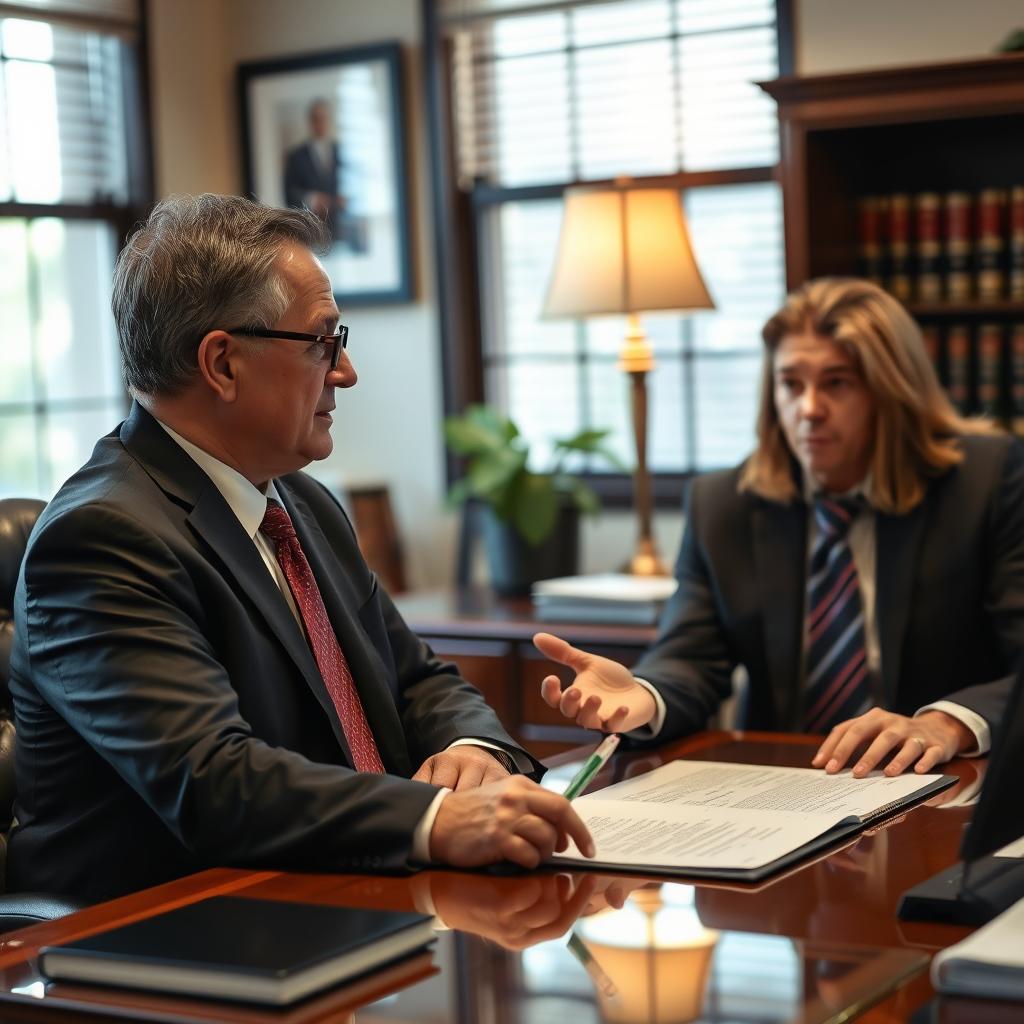
Property Settlement Lawyer King William County, VA
For many couples in King William County, the end of a marriage raises difficult questions about who keeps the house, the retirement accounts, and the family business. When emotions run high and the financial future feels uncertain, understanding Virginia’s equitable distribution laws can feel overwhelming. At Law Offices Of SRIS, P.C., our experienced multi-state attorneys help clients navigate property settlement with clarity and strategic guidance. To discuss your property settlement matter, call (888) 437-7747 to request a consultation.
Law Offices Of SRIS, P.C. – Advocacy Without Borders.
Understanding Property Settlement in King William County
Virginia is an equitable distribution state, not a community property state. This means that when a marriage ends, the court divides marital property fairly—but not necessarily equally—after considering a range of factors listed in Va. Code § 20‑107.3. King William County sits within the Ninth Judicial District, and all divorce and equitable distribution matters are heard by the King William County Circuit Court at 351 Courthouse Lane, Suite 201, King William, VA 23086. The court draws on the same statutory framework that governs property division throughout the Commonwealth, but every case is shaped by the unique finances and circumstances of each family.
Property settlement involves classifying assets as marital, separate, or hybrid, valuing each asset, and then distributing the marital estate equitably. Common assets include real property, retirement accounts, investment portfolios, business interests, vehicles, and personal belongings. Debts are also part of the equation. Because Virginia courts have broad discretion, the outcome of a contested proceeding can hinge on how thoroughly the factors are presented to the judge. For this reason, having an attorney who understands King William County court procedures and the equitable distribution statute is often critical to protecting your financial interests.
How Mr. Sris and His Of Counsel Approach Property Division
Mr. Sris and his Of Counsel team take a measured, client-focused approach to property settlement. They begin by working with you to inventory all assets and debts, gather financial documents, and identify which property may qualify as separate or marital. Next, they evaluate the settlement options—from direct negotiation between the parties and their counsel to mediation, and, when necessary, litigation in the King William County Circuit Court. Throughout the process, they recognize that property division has lasting financial consequences and aim to resolve matters in a way that preserves as much of your estate as possible.
If the parties cannot agree, the court will decide the division after considering the eleven statutory factors under Va. Code § 20‑107.3, including the duration of the marriage, each spouse’s contributions to the family’s well‑being, the earning capacity of each party, and the tax consequences of any proposed division. Mr. Sris and his team are familiar with presenting these factors effectively to a judge, using accounting records, appraisals, and, when necessary, forensic analysis to ensure the marital estate is properly valued and that the court has the full picture before making its decision.
What to Expect in a Virginia Equitable Distribution Case
A typical property settlement case that proceeds through litigation begins with the filing of a Complaint for divorce in the King William County Circuit Court, accompanied by a request for equitable distribution. The spouse who files must serve the Complaint on the other party. Once service is accomplished, the court may schedule a pendente lite hearing to address temporary support, use of the marital residence, or preservation of assets during the pendency of the case. Discovery follows, during which each side exchanges financial information, including income statements, bank records, tax returns, and appraisals of businesses or real estate.
The court will then hold an equitable distribution hearing, where both sides present evidence on the classification and value of assets and argue how the statutory factors apply. Virginia does not require mandatory mediation before a trial, but many parties use mediation to narrow the issues or reach a full settlement. If the matter is resolved by agreement, the parties execute a property settlement agreement, often called a separation agreement, which the court can incorporate into the final divorce decree. Because the timeline and complexity vary from case to case, our attorneys guide clients through each stage without making promises about a specific timetable.
About Mr. Sris and His Of Counsel Team
Mr. Sris, Owner and Founder of Law Offices Of SRIS, P.C., has practiced law since 1997 and is admitted in Virginia, Maryland, the District of Columbia, New Jersey, and New York. He is a former prosecutor whose experience in the courtroom informs his approach to family law, including high‑stakes property division. Mr. Sris testified before the Virginia House Courts of Justice Committee in support of 2019 HB 635 (chief patron Del. David Bulova), which updated the equitable distribution statute concerning retirement and pension plans. That firsthand understanding of the law’s development is a resource that clients in King William County can draw on.
Alongside Mr. Sris, the firm’s Of Counsel attorneys bring additional experience and perspective. Together, Mr. Sris and his Of Counsel team offer representation that spans straightforward uncontested property division as well as complex cases involving closely held businesses, real estate portfolios, and international assets. Our Richmond Location, at 7400 Beaufont Springs Drive, Suite 300, Room 395, Richmond, VA 23225, serves clients throughout King William County and the surrounding region. To discuss your situation, call (888) 437-7747.
Frequently Asked Questions
What is property settlement in a Virginia divorce?
Property settlement refers to the division of assets and debts between spouses when a marriage ends, governed by Virginia’s equitable distribution statute, Va. Code § 20‑107.3. The court first classifies property as marital, separate, or hybrid, then values each item, and finally determines a distribution that is fair—but not necessarily a 50‑50 split. The process may be resolved through a negotiated agreement between the parties or, if no agreement is reached, by a judge after a hearing. An attorney can help ensure that all assets are identified and that the factors the court must consider are presented in a complete and persuasive manner.
Do I need a lawyer for property division in King William County?
While you are not legally required to hire a lawyer, proceeding without counsel can put your financial interests at risk because property division involves complex legal and valuation issues. A lawyer can help you identify marital versus separate property, value assets such as business interests or retirement accounts, and negotiate a settlement that protects your long‑term interests. If your case goes to trial, the equitable distribution factors are highly fact‑intensive, and presenting your side effectively before the King William County Circuit Court requires familiarity with the court’s procedures and Virginia law.
How does the King William County Circuit Court handle equitable distribution?
The court follows the framework of Va. Code § 20‑107.3, classifying and valuing the marital estate and then applying eleven statutory factors to reach a fair division. Hearings take place at 351 Courthouse Lane, Suite 201, King William, VA 23086. While every case is unique, the court may order discovery, appoint attorneys, or require the parties to attend mediation before a final equitable distribution hearing. Our attorneys will prepare you for each step, from the initial filing of the complaint to the entry of the final decree, so that you understand what to expect along the way.
What happens if we cannot agree on a property division?
When spouses cannot reach a settlement, the judge will decide how to divide the marital property after a contested hearing. Both sides present evidence on the value of assets and debts and argue how the statutory factors apply to the facts of their marriage. Because the court has broad discretion, the outcome can depend significantly on the thoroughness of the financial documentation and the quality of the legal arguments. An experienced attorney can build a strong record, cross‑examine the other side’s valuation attorneys, and argue for a result that reflects your contributions to the marriage.
How do I choose a property settlement lawyer in King William County?
Look for an attorney with a proven understanding of Virginia’s equitable distribution law, familiarity with the King William County Circuit Court, and a record of handling cases similar to yours. During a consultation, ask how the attorney would approach your specific assets, whether they have experience with business valuation or complex retirement plans, and how they communicate throughout the case. At Law Offices Of SRIS, P.C., Mr. Sris and his Of Counsel offer experienced representation backed by a multi‑state practice and direct knowledge of the statutory framework that governs property division in Virginia.
For additional reference, you may consult the Virginia Code Title 20 (Virginia Code Title 20) for the text of the equitable distribution statute, and the King William County Circuit Court website for court information and local rules.
Attorney advertising. Prior results do not guarantee a similar outcome. Results may vary.
Case results depend on a variety of factors unique to each case.