
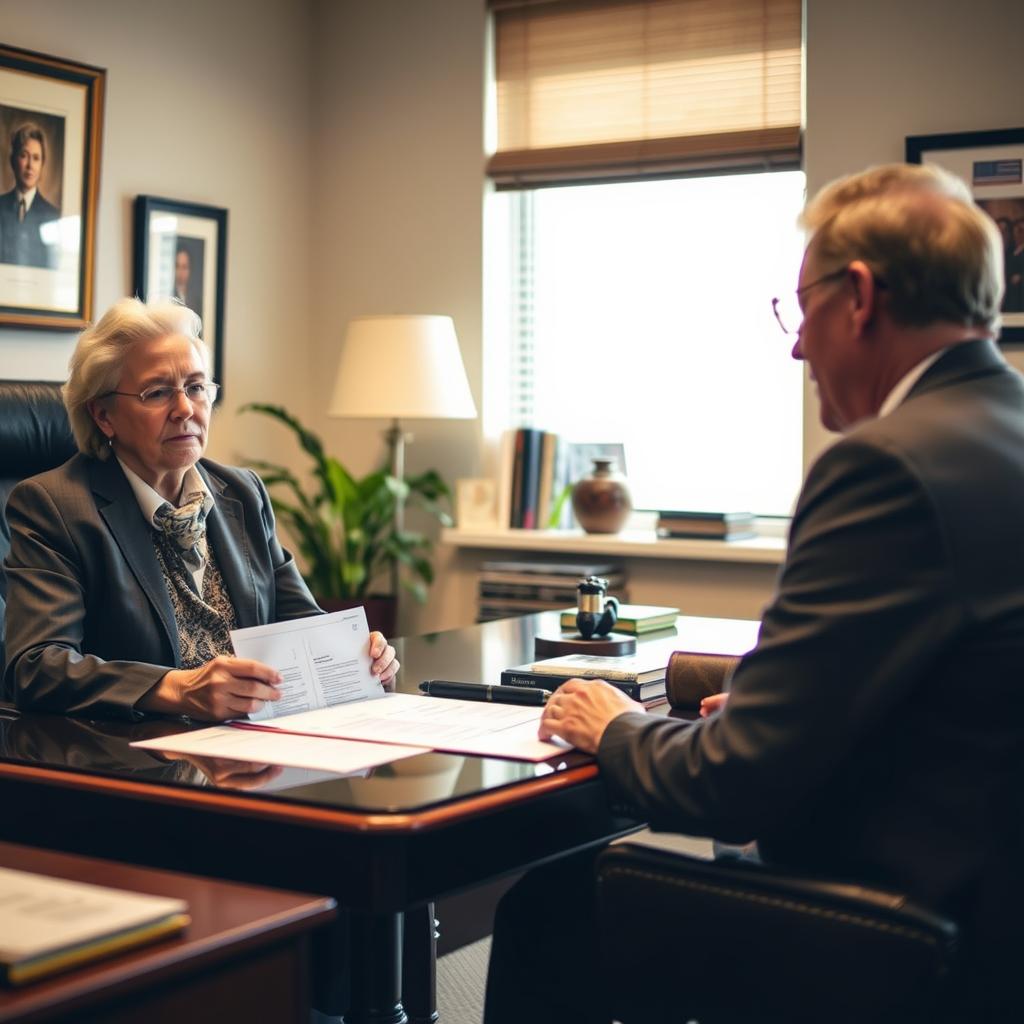
Standby Guardianship Lawyer Virginia, VA
When a parent receives a difficult medical diagnosis or faces a period of military deployment overseas, one of the most pressing concerns is who will care for their child if they become unable to do so. A standby guardianship under Virginia law offers a legal pathway for parents to plan ahead—designating a trusted family member or friend to step into the role of guardian when the need arises, without the disruption and delay of an emergency court proceeding. At Law Offices Of SRIS, P.C., Mr. Sris and his Of Counsel work with families across Virginia to put standby guardianship arrangements in place that reflect the parent’s wishes and protect the child’s well-being. Whether the concern is a progressive illness, a scheduled surgery with a lengthy recovery, or another circumstance that may temporarily or permanently affect a parent’s ability to provide care, having a properly executed standby guardianship designation brings clarity and peace of mind. Reach our firm at (888) 437-7747 to discuss your situation.
What Standby Guardianship Means in Virginia
Virginia law recognizes that parents may need to plan for a future in which they cannot personally care for their child. A standby guardianship allows a parent—or in some cases a legal custodian—to designate an individual who will assume guardianship responsibilities upon the occurrence of a specified triggering event, such as the parent’s incapacitation, hospitalization, or death. Unlike a traditional guardianship petition filed after the fact, a standby guardianship is put in place in advance, so the transition of care is smoother and the designated guardian can act without first navigating an adversarial court process at a moment of crisis.
The statutory framework governing guardianship matters in Virginia includes Va. Code § 64.2-2000 et seq., which addresses the appointment of guardians and conservators for adults, as well as related provisions under Title 20 of the Virginia Code for matters involving minors. A standby guardianship for a minor child typically involves a written designation executed by the parent, identifying the proposed standby guardian and the circumstances under which the guardianship becomes effective. The designation may be filed with the appropriate Virginia Circuit Court or Juvenile and Domestic Relations District Court, depending on the specific facts of the case. Because the legal requirements for a valid standby guardianship designation are specific—including signature formalities, witness requirements, and proper filing procedures—working with an experienced family law attorney helps ensure the document will be given effect by a Virginia court when it is needed.
How Mr. Sris and His Of Counsel Handle Standby Guardianship Matters
Every standby guardianship matter begins with a conversation about the family’s circumstances and goals. Mr. Sris and his Of Counsel take the time to understand the parent’s concerns, the child’s needs, and the relationship between the child and the proposed standby guardian. This initial consultation shapes every subsequent step, because a standby guardianship that does not accurately reflect the family’s situation may face challenges if it ever needs to be activated.
Once the appropriate approach is identified, Mr. Sris and his Of Counsel prepare the written designation and any supporting documentation required under Virginia law. The designation must clearly identify the proposed guardian, specify the triggering event or events, and meet Virginia’s execution requirements. Depending on the circumstances, the designation may be filed with the court in advance or held by the parent and the proposed guardian until it is needed. If court approval is required—for example, when the standby guardian seeks to activate the guardianship—Mr. Sris and his Of Counsel represent the parties through that process, presenting the necessary evidence and addressing any questions the court may raise. Throughout the matter, the focus remains on protecting the child’s stability and honoring the parent’s intentions, while navigating Virginia procedural requirements efficiently.
About Mr. Sris and His Of Counsel Team
Mr. Sris, Owner and Founder of Law Offices Of SRIS, P.C., has practiced law since 1997 and is admitted in Virginia, Maryland, the District of Columbia, New Jersey, and New York. A former prosecutor, he brings firsthand courtroom experience to every family law matter the firm handles. Mr. Sris testified before the Virginia House Courts of Justice Committee in support of 2019 HB 635 (chief patron Del. David Bulova). His practice includes representing families across Virginia in guardianship, custody, and other family law proceedings.
Working alongside Mr. Sris, the firm’s Of Counsel team contributes experience across multiple practice areas. Each Of Counsel attorney brings an individual background that informs the firm’s approach to family law matters—including experience in litigation, child welfare proceedings, and courtroom advocacy. Together, Mr. Sris and his Of Counsel provide representation to Virginia families seeking to establish standby guardianship arrangements, appearing in Circuit Courts and Juvenile and Domestic Relations District Courts throughout the Commonwealth. The firm serves clients from its Fairfax location and represents individuals and families in communities across Virginia.
Frequently Asked Questions
What is a standby guardianship in Virginia?
A standby guardianship is a legal arrangement that allows a parent to designate someone to assume guardianship of a child upon the occurrence of a specified event, such as the parent’s incapacity or death. Under Virginia law, this designation is made in writing and identifies the proposed guardian and the triggering circumstances. Unlike an emergency guardianship sought after a crisis has already occurred, a standby guardianship is planned in advance, giving parents the ability to choose who will care for their child and reducing the uncertainty and procedural hurdles that can arise when a court must make an urgent placement decision without prior guidance from the parent. Law Offices Of SRIS, P.C. – Advocacy Without Borders.
Who can serve as a standby guardian in Virginia?
A standby guardian in Virginia may be a family member, a close family friend, or another trusted adult whom the parent believes is suitable to care for the child. Virginia courts evaluate a proposed guardian based on the best interests of the child, considering factors such as the proposed guardian’s relationship with the child, their ability to provide a stable home, and their willingness to assume the responsibilities of guardianship. While a parent may designate anyone they choose, the court retains authority to review the designation if the guardianship is activated, particularly if there is a dispute among family members or concerns about the proposed guardian’s fitness.
How does the standby guardianship process work in Virginia?
The process begins with the parent executing a written standby guardianship designation that meets Virginia’s legal requirements for form, content, and witness signatures. The designation may be filed with the appropriate court immediately or held privately until the triggering event occurs. When the guardianship is activated—for example, upon the parent’s hospitalization—the standby guardian may petition the Virginia Circuit Court or Juvenile and Domestic Relations District Court for approval. The court will review the designation, confirm that the triggering event has occurred, and determine whether the proposed guardianship serves the child’s best interests. Having an attorney prepare the designation and guide the parties through any court proceedings helps avoid procedural missteps that could delay the transition of care.
When does a standby guardianship take effect?
A standby guardianship takes effect upon the occurrence of the triggering event specified in the written designation, such as the parent’s documented incapacity or death. The timing depends on how the designation is drafted—some parents specify that the guardianship activates immediately upon a particular event, while others provide for a gradual transition of authority. If court approval is required for activation, the effective date may be tied to the court’s order. Virginia law provides for different procedural paths depending on whether the parent is still living at the time of activation. An attorney can explain which path applies to a given situation and help the family prepare accordingly.
Do I need a lawyer to set up a standby guardianship in Virginia?
Virginia law does not require a parent to hire a lawyer to execute a standby guardianship designation, but working with an experienced attorney helps ensure the designation is legally valid and will be honored by a court when needed. Common pitfalls in do-it-yourself designations include insufficient witness formalities, ambiguous triggering language, and failure to address contingencies such as the proposed guardian’s own unavailability. An attorney can also advise on whether the designation should be filed with the court immediately or held privately, and can represent the family if any disputes arise when the guardianship is activated. For guidance on your specific situation, reach Law Offices Of SRIS, P.C. at (888) 437-7747.
How is standby guardianship different from other types of guardianship in Virginia?
Standby guardianship differs from traditional guardianship primarily in its prospective nature—it is established before the need for a guardian actually arises, while a traditional guardianship petition is filed after a parent is already unable to care for the child. Standby guardianship also differs from emergency guardianship, which is sought on an expedited basis when a child faces an immediate risk of harm and no prior arrangement exists. Temporary guardianship, likewise, is a court-imposed short-term measure rather than a parent-driven designation. By planning ahead with a standby guardianship, parents retain greater control over who cares for their child and reduce the likelihood of a contested court proceeding during an already difficult time.
Related Practice Areas
Virginia Child Guardianship Lawyer •
Virginia Emergency Guardianship Lawyer •
Virginia Temporary Guardianship Lawyer •
Virginia Child Custody Lawyer (India is not a signatory to the 1980 Hague Convention on Civil Aspects of International Child Abduction.) •
Virginia Family Law Lawyer
For a detailed statutory analysis, visit our main site: Standby Guardianship Lawyer Virginia at srislawyer.com.
Virginia Legal Resources
Virginia Code Title 64.2 — Wills, Trusts, and Fiduciaries •
Virginia Circuit Courts •
Virginia Juvenile and Domestic Relations District Courts
Attorney advertising. Prior results do not guarantee a similar outcome. Results may vary. Case results depend on a variety of factors unique to each case.