
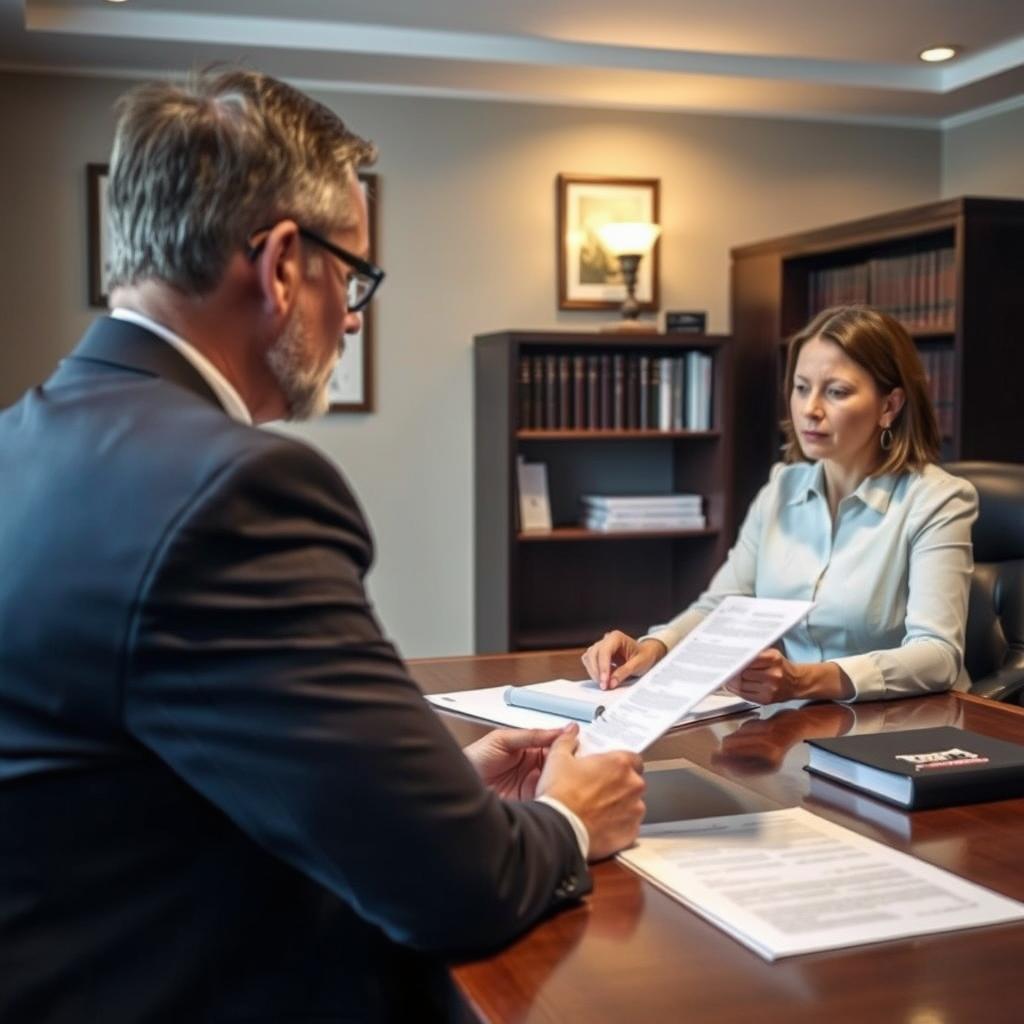
Legal Separation Lawyer Roanoke County, VA
You and your spouse have decided to live apart. You are not ready to file for divorce, but you need to establish a clear plan for finances, property, and parenting time. In Virginia, there is no formal court process called “legal separation.” The law does not recognize a separate legal status of being separated. What clients often call a legal separation is actually a written separation agreement that settles the terms while you remain married. Law Offices Of SRIS, P.C. Regularly assists individuals in Roanoke County with drafting and negotiating separation agreements that protect their interests during this transitional period. If you are considering separation, call (888) 437-7747 to request a consultation. Law Offices Of SRIS, P.C. — Advocacy Without Borders.
How Separation Works in Virginia
Virginia does not have a “legal separation” filing. Separation is a factual state that affects eligibility for a no‑fault divorce. Under Va. Code § 20‑91, you must live separate and apart from your spouse for at least one year—or for six months if you have no minor children and have signed a separation agreement—before you can obtain a divorce on the no‑fault ground. During the separation period, a written separation agreement can address property division, spousal support, child custody, and other issues. Without a written agreement, any disagreements may remain unresolved, leaving both parties in an uncertain position.
The agreement functions like a contract. Once both parties sign it, it becomes binding. The Circuit Court for Roanoke County can incorporate the agreement into a final divorce decree later, making its terms enforceable. If you and your spouse cannot agree, the court may ultimately decide contested issues during the divorce proceeding. Having an experienced attorney guide you through the agreement phase reduces the chance of disputes later.
What to Expect When You Work with Us
When you contact Law Offices Of SRIS, P.C., Mr. Sris or one of his Of Counsel will start by understanding your goals—whether you want a simple separation period before an uncontested divorce or need to resolve complex financial or custody matters. We will identify the issues that need to be covered in a separation agreement, such as the division of marital debt, spousal support amounts, and a parenting plan if children are involved.
Next, we negotiate on your behalf. If you and your spouse already have a general understanding, we draft the agreement and refine the terms until both sides are satisfied. When disagreements arise, we explore settlement through negotiation and, if necessary, prepare for the possibility of litigation once a divorce is filed. Throughout the process, we keep you informed and explain each step in plain language.
Why a Written Separation Agreement Matters
Choosing to live apart without a written agreement leaves important questions unanswered. Who stays in the family home? How will bills be paid? How is parenting time shared? Without a signed document, there is no mechanism to enforce expectations. A separation agreement reduces conflict by creating a clear, enforceable framework. It also serves as a foundation for a future uncontested divorce—often the fastest and least expensive path to ending a marriage when both parties agree on the terms.
If you later file for divorce in Roanoke County Circuit Court, the court will review the agreement. As long as it is fair, voluntarily entered into, and meets statutory requirements, the court typically respects its terms. Addressing these matters now protects your financial interests and, when children are involved, promotes stability during the separation period.
About Mr. Sris and His Of Counsel Team
Mr. Sris, Owner and Founder of Law Offices Of SRIS, P.C., has practiced law since 1997. He is a former prosecutor and is admitted in Virginia, Maryland, the District of Columbia, New Jersey, and New York. His experience includes family law matters such as divorce, separation agreements, and equitable distribution. Mr. Sris and his Of Counsel bring over 120 years of combined legal experience with 4,739+ documented firm-wide results. Results may vary. The firm has 34 documented case results in Roanoke County across all practice areas.
Frequently Asked Questions
Does Virginia have “legal separation”?
Virginia does not recognize legal separation as a separate court proceeding. Separation is a factual stage that may later support a no‑fault divorce, but it is not a legal status that you file for in court. A separation agreement is the document that puts the terms of your separation in writing and makes them enforceable between you and your spouse.
How is a separation agreement different from a divorce decree?
A separation agreement is a private contract between spouses; a divorce decree is a court order ending the marriage. While you remain married, the separation agreement governs your rights and obligations. Once a divorce action is filed and the court incorporates the agreement into the final decree, its terms become part of the court’s enforceable order.
Do we need a lawyer to write a separation agreement?
Virginia law does not require a lawyer to draft a separation agreement, but having an attorney ensures the document is legally sound and tailored to your situation. An improperly drafted agreement can lead to future disputes over property division or custody. Working with an experienced attorney reduces that risk.
How long must we be separated before filing for divorce?
In Virginia, you must be separated for one year—or six months if you have no minor children and have signed a separation agreement—before filing a no‑fault divorce. This separation must be continuous and with the intent that the marriage is over. Living in the same house is generally not considered separation.
Can a separation agreement address child custody and support?
Yes, a separation agreement can set out custody, visitation, and child support. As long as the arrangement serves the best interests of the child and follows Virginia’s child support guidelines, courts usually approve the terms. However, a court is never bound by a custody agreement if it finds the arrangement is not in the child’s best interests.
What if my spouse refuses to sign a separation agreement?
If your spouse will not sign, you cannot force a separation agreement. You may still live separately, and after the required period you can file for divorce. In a contested divorce, the court will decide property division, support, and custody if you cannot agree.
How does a separation agreement affect property division?
A well‑drafted separation agreement classifies and divides marital property and debts, which can avoid litigation later. Virginia is an equitable distribution state, meaning a court divides marital property fairly but not necessarily equally. By agreeing in advance, you and your spouse retain control over the outcome rather than leaving decisions to a judge.
Is a separation agreement the same as a property settlement agreement?
Yes, in Virginia the terms are often used interchangeably. A property settlement agreement (PSA) is a written contract that resolves all financial and custodial issues. Once signed, it serves as the foundation for an uncontested divorce.
Can we modify a separation agreement after it is signed?
Modification is possible if both parties agree to the changes in writing. If one party opposes modification, the agreement generally remains binding as written. Certain terms affecting children, such as custody and support, may be modified by the court later if there has been a material change in circumstances.
For a full statutory breakdown, see our comprehensive analysis on srislawyer.com.
To discuss the details of your matter, contact Law Offices Of SRIS, P.C. at (888) 437-7747.
Attorney advertising. Prior results do not guarantee a similar outcome.
Results may vary.
Case results depend on a variety of factors unique to each case.